

A personalised GLP-1 weight loss and appetite-control programme in Kuala Lumpur using clinically proven injectable therapy with proper doctor screening, dose titration, and monthly follow-up.
At Nexus Clinic KL, this is not a one-off prescription. It is a structured medical programme built around your metabolic health, diabetes status if relevant, weight history, and real lifestyle.
GLP-1 Programme
Ozempic • Wegovy • Mounjaro • Zepbound • Saxenda
A clinically grounded, doctor-guided programme built around weight, appetite and metabolic control.
Ozempic, Wegovy, Mounjaro, Zepbound, Saxenda
Mostly once-weekly injections; Saxenda is daily
10 to 22.5% of body weight over 6 to 12 months
Monthly reviews, blood panel, blood pressure, progress tracking
BMI 27+ with comorbidity or BMI 30+ without
Type 2 diabetes patients may benefit from one integrated plan
Long-term ongoing, based on goals and health profile
Wisma UOA II, Jalan Pinang, Kuala Lumpur
GLP-1 is a naturally occurring hormone that signals fullness, slows stomach emptying, and supports insulin release when blood sugar rises.
GLP-1 receptor agonist medications are synthetic versions that activate this pathway more strongly and for longer, helping patients feel satisfied with smaller portions and reducing the constant appetite drive that makes ordinary dieting fail.
At Nexus Clinic Kuala Lumpur, the goal is simple: reduce food noise, improve appetite control, and build sustainable habits while your biology is actually helping you.
Medical consultation at Nexus Clinic Kuala Lumpur
The right medication is selected based on your profile, not simply on popularity.
Semaglutide, weekly, type 2 diabetes with off-label weight loss use
Semaglutide 2.4mg, weekly, chronic weight management
Tirzepatide, weekly, dual GIP + GLP-1, type 2 diabetes with off-label weight loss use
Tirzepatide, weekly, chronic weight management
Liraglutide 3.0mg, daily, chronic weight management
The newest step forward in this space is tirzepatide, which activates both the GLP-1 receptor and the GIP receptor. That dual pathway produces stronger average weight loss and broader metabolic impact in many patients.
In simplified terms, semaglutide is powerful. Tirzepatide is often stronger. The right choice still depends on your diabetes status, budget, target, tolerability and clinical profile.
GLP-1 medicines were originally developed for type 2 diabetes, and this remains one of their most important strengths. For the right patient, one programme can address both blood sugar and body weight.
Semaglutide and tirzepatide can lower HbA1c, improve fasting glucose, reduce post-meal spikes, and in some patients reduce the need for additional diabetes medication as weight and insulin resistance improve.
BMI matters, but the full clinical picture matters more.
Adults with BMI 30 or above
Adults with BMI 27 or above plus at least one weight-related condition
Patients with diabetes, hypertension, dyslipidaemia or sleep apnoea may benefit strongly
Final prescribing decisions are based on history, medications, thyroid, cardiovascular and metabolic review
Nexus Clinic KL reviews your health history, current medications, cardiovascular status, thyroid risk, diabetes treatment if relevant, and your broader metabolic profile before recommending any medication.
These exclusions exist to protect patients, not to make treatment harder.
GLP-1 therapy can delay stomach emptying. NPRA has issued a safety communication on aspiration risk during general anaesthesia or deep sedation.
If you have a procedure planned, tell your doctor and anaesthetist that you are on GLP-1 therapy. Do not self-stop or self-adjust without advice.
Unlike HCG or Duromine, GLP-1 treatment builds over months.
Starting dose titration. Appetite control begins. Mild nausea possible. Most patients lose 2 to 4 kg.
Dose escalation if tolerated. Appetite more stable. Cravings reduce. 4 to 8 kg total loss typical.
Therapeutic level reached. Peak fat-loss rate in many patients. 8 to 14 kg total loss possible.
Long-term metabolic benefits consolidate. Total 10 to 22.5% body-weight reduction achievable.
Annual review, dose adjustment, tapering or maintenance planning depending on results and goals.
A good programme feels like a clear medical path, not just a pen.
Your doctor reviews weight history, cravings, diabetes status, cardiovascular risk, current medicines, lifestyle patterns, and baseline measurements.
The doctor chooses the right medication and starting dose based on your clinical profile, then titrates slowly to minimise side effects.
The programme supports protein-forward meals, fibre, realistic portions, slower eating, and a plan that works with Malaysian daily life rather than against it.
Appetite response, weight trend, side effects, digestion, blood pressure, labs and treatment goals are reviewed regularly to keep the programme safe and effective.
The scale usually follows appetite change, not the other way around.
Around 10 to 15% over time, depending on protocol and dose
Around 14.9% mean loss in STEP 1 at 68 weeks
Up to about 22.5% mean loss in SURMOUNT-1 at the highest dose
Your result depends on:
Most patients notice changes in appetite first, then meal size, then clothing fit, then the scale.
Slide to see the incredible transformations achieved by our clients

Drag to compare

Drag to compare

Drag to compare
Results may vary. Individual results depend on various factors.
Start Your TransformationMost side effects are gastrointestinal and are strongest during early treatment or dose escalation.
Most patients find that nausea improves significantly by week four of each dose tier. Constipation usually responds to hydration and fibre, and dose escalation is not rushed when tolerability is poor.
Pancreatitis, gallbladder disease, and thyroid-related risk discussions are part of informed consent. Any severe abdominal pain, persistent vomiting, or unusual symptoms should be reported promptly.
At Nexus Clinic KL, the medical team adjusts the programme if side effects are disproportionate, persistent, or clinically inappropriate for continued escalation.
Pricing depends on medication, dose and level of support included.
Complimentary consultation; blood tests from RM 200
RM 600 to RM 900 per month
RM 700 to RM 1,200 per month
RM 900 to RM 1,500 per month
RM 900 to RM 1,800 per month
RM 900 to RM 1,800 per month
RM 1,200 to RM 2,500 per month
GLP-1 therapy amplifies the body's fullness signals, slows stomach emptying, supports insulin release when glucose is high, and reduces the constant food noise that makes calorie control difficult. Patients usually feel satisfied with smaller meals and experience fewer cravings between meals.
Most patients notice reduced appetite and early weight change within the first few weeks. Clinically meaningful loss of more than 5% of body weight is often seen within 3 to 6 months at therapeutic doses, while full programme benefits usually build over 12 months.
Both contain semaglutide, but Ozempic is mainly positioned for type 2 diabetes at doses up to 1mg weekly, while Wegovy is specifically designed for chronic weight management at doses up to 2.4mg weekly and usually produces stronger appetite suppression and greater weight loss.
Yes, long-term GLP-1 use is generally appropriate under medical supervision with regular blood tests, blood pressure monitoring, review of side effects, and treatment-plan adjustments when needed.
Duromine is a short-term appetite suppressant that works quickly but is limited to fixed cycles. GLP-1 programmes are longer-term, produce greater overall metabolic benefit, and are often better for patients with diabetes, obesity, or cardiovascular risk factors.
Yes. This is one of the strongest indications for GLP-1 prescribing. Semaglutide and tirzepatide can improve blood sugar control and support weight loss at the same time, although insulin or sulphonylurea doses may need adjustment during treatment.
Patients with a personal or family history of medullary thyroid carcinoma or MEN2 should not use GLP-1 therapy. Pregnancy and breastfeeding are absolute contraindications, and patients with pancreatitis history, severe renal impairment, major gastrointestinal conditions, or active eating disorders need careful assessment.
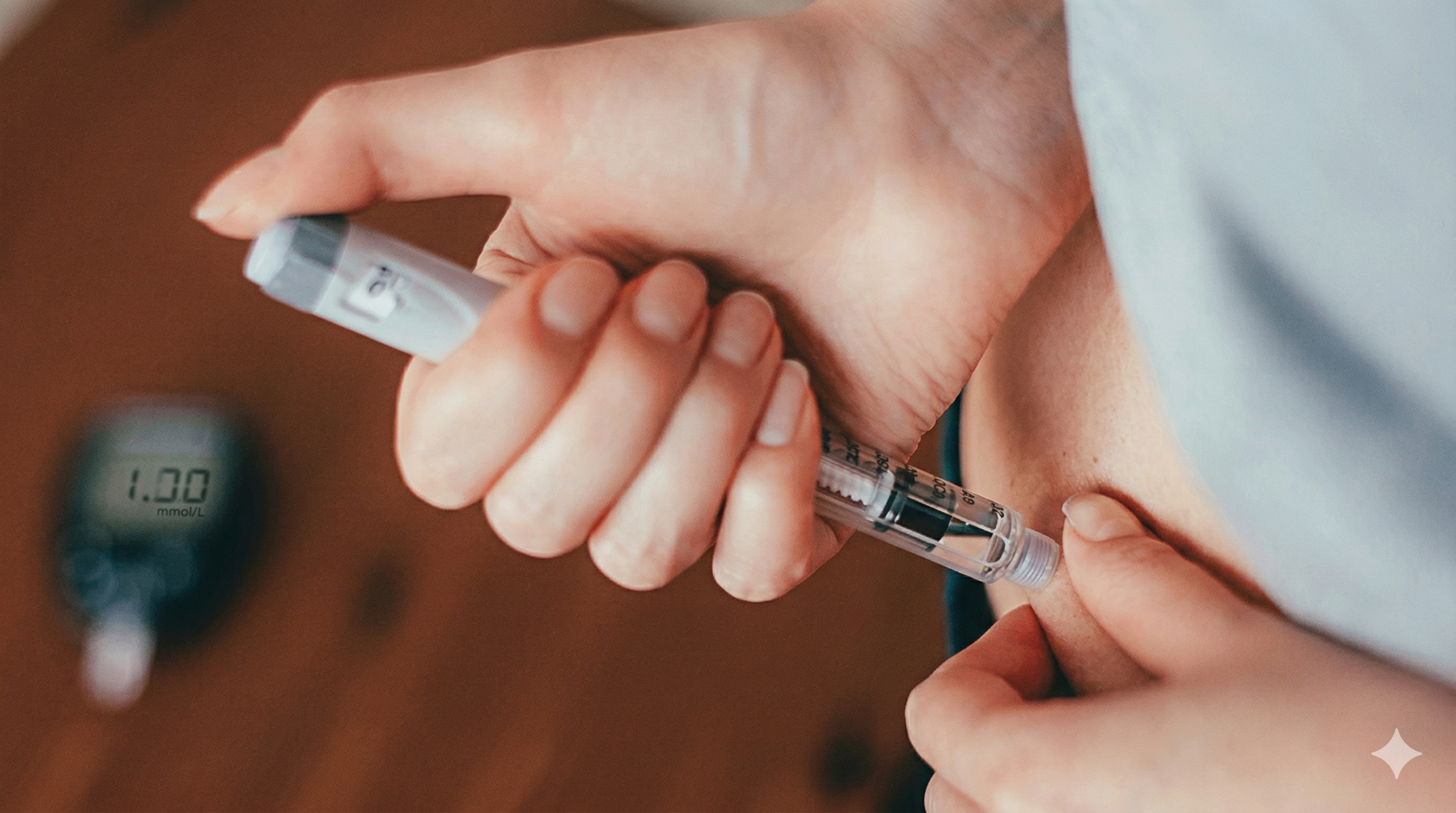
GLP-1 injections are subcutaneous injections given under the skin, usually in the abdomen, thigh, or upper arm. They use fine-gauge pre-filled pens and most patients describe them as only a small pinch. Injection training is provided before self-administration at home.
That depends on your clinical profile, your weight goal, your diabetes status, convenience preference, and budget. Saxenda is daily, while Ozempic and Mounjaro are weekly. Tirzepatide usually delivers the strongest average weight loss, while semaglutide remains a highly established entry point.
Pricing depends on the medication, dose, and level of clinical support. At Nexus Clinic KL, indicative 2026 monthly ranges run from around RM 600 to RM 1,800 depending on the specific programme, with comprehensive supported packages going higher.
If your appetite feels like it is running the show, a proper GLP-1 programme in Kuala Lumpur can give you structure, medical safety, and a plan you can actually follow.
Start with a full assessment at Nexus Clinic Kuala Lumpur so your plan fits your body, your risks, your medication profile and your goals.
Book Free Consultation