Skin laser resurfacing is among the best non-surgery procedures for enhancing skin texture, tone and apparent signs and wrinkles. It is meant to be used by individuals who require a quantifiable outcome without having to go through invasive medical procedures. This blog describes the process and effects of laser resurfacing, its application, sensations, recovery time and expected outcome. The aim is to assist you in making an informed choice based on the clear and clinical information like a consultation would.
What Is Laser Skin Resurfacing?
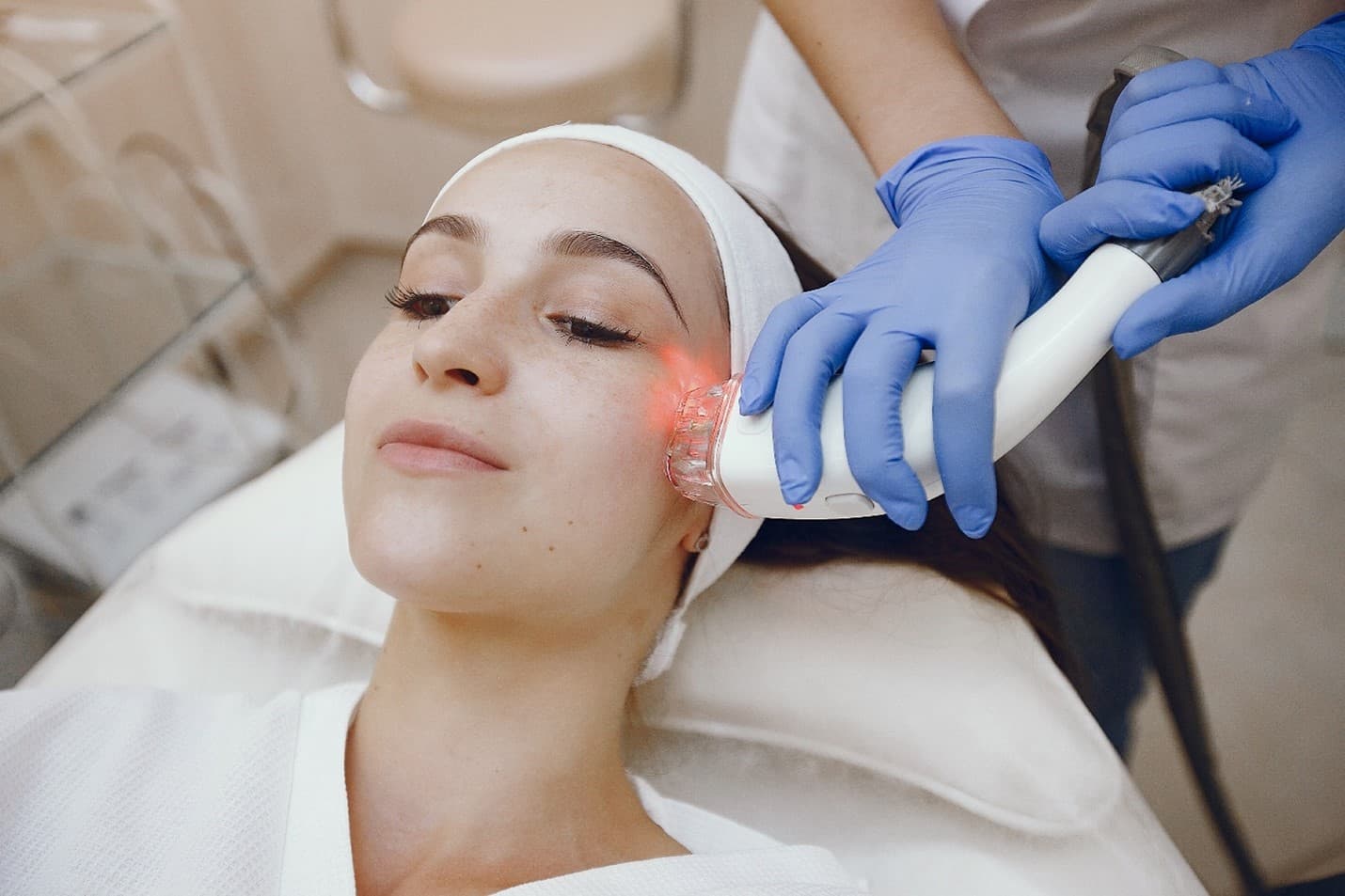
Laser skin resurfacing is medical grade treatment that involves focused light energy to ablate the damaged outer skin layers and induce new collagen in the deep-lying skin. The procedure stimulates the skin to repair itself, resulting in a skin that is smoother, firmer and clearer with time.
There are two main types:
- Ablative lasers that peel the skin leaving behind some deep peels.
- Non-ablative lasers that do not peel the skin or heat it.
Contemporary clinics tend to adopt fractional systems, which involve the treatment of minute areas of skin, sparing the nearby tissue. This is a faster way of healing and provides tangible outcomes.
How the Treatment Works
 The laser delivers controlled energy into the skin. This creates tiny thermal columns that trigger the body’s natural repair response. As the skin is healing, new collagen is made, old pigments are dismantled and the surface irregularities are softened.
The process typically follows these steps:
- Skin assessment and customization
- Cleansing and topical numbing
- Laser passes over targeted areas.
- Cooling and post-treatment care
Each session usually lasts 30–60 minutes, depending on the area treated.
Conditions Laser Resurfacing Treats
Laser resurfacing treats most skin issues, such as fine lines, wrinkles, acne, surgical scars, sun damage, pigmentation, large pores, uneven texture and skin that lacks lustre. It is a universal one that can be applied on face and neck, chest and hands to achieve tangible results in different locations.
Benefits You Can Expect
Laser resurfacing does not provide the surface glow, but rather structural enhancement. The results build over weeks as collagen regenerates.
Laser resurfacing provides evenly colored and smoother skin, brighter and even color, fewer fine lines and pores, and firmer skin with time. These enhancements build up with time, producing natural effects instead of abrupt responses, and the treatment is therefore the best choice for individuals who want the results to be natural and gentle yet realistic and permanent.
Pain Level and Comfort
The majority of the patients characterize the feeling as warm pricking or light stinging. Clinics use topical numbing cream prior to treatment which decreases the levels of discomfort to a great extent.
During treatment, you may feel:
- Heat pulses
- Mild tingling
- Temporary tightness
The skin may feel slightly burnt by the sun in the hours after the session. Gels and post-care products assist in soothing the skin in a short time.
Downtime and Recovery
Downtime is subject to increase depending on the intensity of the laser. The light treatments generally cause 24-48 hrs of reddening, middle range treatments take 3-5 days and entail reddening and peeling, and deep treatments take 7-10 days and entail peeling and recovery. It is preferable not to be in the sun in the process of healing, use soft skin care, apply sun cream to the skin every day and not exfoliants or active acids. Most of them resume normal functions within a few days.
What Makes Fractional Technology Different?
 The principle of fractional systems is to treat a fraction of the skin at once. This helps keep healthy tissue surrounding each micro-channel, thereby accelerating the healing process and reducing risk.
Fractional co2 laser treatment is commonly applied in the deeper resurfacing since it penetrates the skin to the surface and structural layers.
- Deep acne scarring
- Wrinkles around the eyes and mouth
- Advanced sun damage
- Texture irregularities
Despite being powerful, fractional technology offers more controlled recovery than older full-field lasers.
Who Is a Good Candidate?
Laser resurfacing is ideal for adults with visible texture concerns, acne scarring, or sun damage, as well as for those seeking non-surgical skin rejuvenation. It suits patients who can follow proper aftercare instructions to support healing and results. However, it may not be appropriate for individuals with active skin infections, certain medical conditions, or very recent tanning. A professional medical assessment is essential before starting treatment.
Treatment Planning and Sessions
Most patients need 1–3 sessions, depending on skin condition and goals. Lighter treatments may require multiple visits, while deeper resurfacing can deliver results in one session.
Treatment plans are based on:
- Skin type
- Severity of concern
- Area treated
- Lifestyle and downtime tolerance
Spacing between sessions is usually 4–6 weeks.
Safety and Professional Oversight
Laser resurfacing must never be carried out at home. The device settings should be changed in accordance with the skin type and condition to prevent burns and pigment alterations.
A professional clinic will:
- Conduct skin analysis
- Explain risks clearly
- Provide aftercare guidance
- Monitor healing
This ensures both safety and optimal results.
Conclusion
Laser skin resurfacing is also a medically established practice that is applied with the aim of improving the quality, tone and texture of the skin. The consequence of it is to revitalize collagen and rejuvenate surface layers, which brings a lasting improvement, rather than a temporary veneer. Through adequate evaluation, regulated therapy and appropriate post-treatment, outcomes are natural, steady and gradual.
When you feel that you need a visible change, but you do not want to have surgery, the treatment is one of the surest ways to take. You are about to discover whether it matches your skin. In Nexus Clinic, the ideal one to begin with is a professional consultation.
FAQs
1. How long do laser resurfacing results last?
Results can last for years with proper skincare and sun protection. Collagen continues to rebuild for months after treatment.
2. Is laser resurfacing safe for all skin tones?
Modern systems are safer for many skin types, but darker tones require special settings and medical evaluation.
3. Can I wear makeup after treatment?
Light makeup is usually allowed after 24–48 hours for mild treatments. Deeper sessions may require more healing time.
4. How soon will I see improvement?
Initial glow appears within days. Structural changes develop over 4–12 weeks as collagen forms.