
Choosing the right Skin treatment is not only about improving how you look. It is about safety, long-term skin health, and getting results that are medically sound. Most individuals do not know that there exists a significant distinction between what is provided in beauty salons and what is done in the medical aesthetic clinics. They both may not be different at the surface but they are not equal in terms of training, tools and responsibility.
This blog identifies the differences in the two types of skin treatments medical and non-medical, how each type works, and when each is more appropriate than the other. This difference is important to you because it allows you to avoid risks, save time and make better decisions concerning your skin.
What Are Non-Medical Skin Treatments?
The non-medical procedures are usually sold at the spas, beauty salons or facial centers. Therapists, not doctors handle these services. They focus on surface-level care and cosmetic maintenance.
Common examples include:
- Basic facials
- Manual extraction
- Light exfoliation
- Hydrating masks
- Massage-based treatments
These services aim to improve skin appearance gently and temporarily. They are suitable for relaxation and simple maintenance but do not treat medical skin conditions.
Non-medical centers are limited by law. They cannot:
- Diagnose skin diseases
- Use prescription-based products
- Perform invasive procedures
- Operate medical-grade devices
Their role is cosmetic, not clinical.
What Are Medical Skin Treatments?

Medical skin treatments are performed in licensed medical aesthetic clinics. Doctors lead them and use medical-grade technology and products. These treatments go beyond surface care and address deeper skin issues.
Medical treatments include:
- Laser resurfacing
- Active acid-based chemical peels.
- Injectables (Botox, fillers)
- Acne and scar management
- Pigmentation therapy
- Medical-grade facials
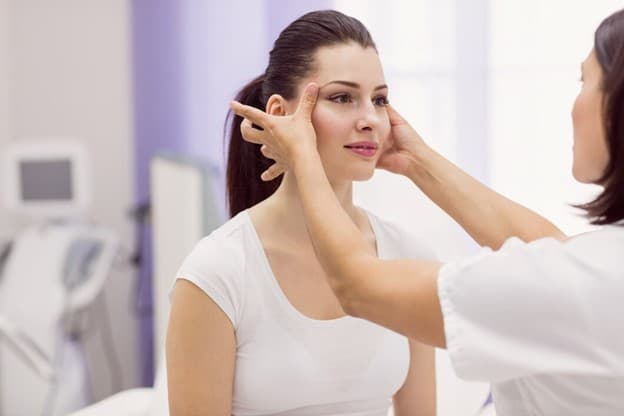
Every procedure starts with a professional assessment. The doctor evaluates your skin type, condition, history, and risks before planning treatment.
This approach is designed to be:
- Targeted
- Safe
- Long-term
- Evidence-based
Medical treatments aim to correct, not just maintain.
Key Differences at a Glance
The differences are in essence in expertise, depth and tools. Non-medical services are provided by therapists who are cosmetically trained, provide superficial treatments, and utilize low-energy equipment. Medical treatments are headed by doctors who reach deep layers of skin and apply systems approved by the FDA or the MOH to get safe and controlled clinical outcomes.
Risk Management
- Non-medical: Limited response ability
- Medical: Full medical supervision
When Non-Medical Treatments Are Enough
Non-medical services can be useful for people who:
- Have healthy skin
- Want relaxation
- Need mild cleansing
- Prefer gentle upkeep
They work well as routine maintenance. However, they cannot resolve structural or biological skin issues.
Suitable Use Cases
- Pre-event glow
- Dry skin refresh
- Mild dullness
- Stress relief
They are not designed to treat acne, scars, pigmentation, or aging.
When Medical Treatments Are Necessary
The medical intervention is necessary when the skin conditions are chronic, critical or structural.
Common Medical Needs
Active acne, acne scars, melasma, sun damage, fine lines, and sagging skin are medical skin concerns that require clinical diagnosis and structured treatment plans under professional medical supervision.
These issues require:
- Clinical diagnosis
- Controlled energy devices
- Prescription-level products
- Monitored recovery
Without medical oversight, these treatments carry a high risk.
Safety and Regulation
In Malaysia, medical aesthetic clinics must be MOH-registered, doctor-led and fully compliant with healthcare laws. Beauty centers are not governed under the same medical framework and cannot legally perform injectables, laser resurfacing, prescription-based peels, or blood-based therapies. Medical clinics operate under strict protocols, hygiene standards, and complication management systems, ensuring patient safety, clinical accountability and professionally regulated care throughout every treatment process.
How Results Differ
Non-Medical Results
- Temporary glow
- Short-term hydration
- Minimal correction
Medical Results
Medical therapies provide structural modification, long-term enhancement and actual condition healing. All plans are quantified, recorded and revised as time goes on and the progress is kept under control, risks are mitigated and the plan customized to suit your skin.
What to Expect in a Medical Clinic
A professional clinic does not begin with selling. It begins with assessment.
You should expect:
- Skin analysis
- Medical history review
- Condition grading
- Risk explanation
- Treatment planning
This is what separates a service from healthcare.
Choosing the Right Option
- Select non-medical when you have healthy skin and you desire maintenance.
- Select medical when you are having a condition, damage, or long-term goals.
If a center offers strong procedures without doctor oversight, it is a red flag.
Why Medical Clinics Cost More
Medical clinics invest in licensed doctors, certified devices, medical-grade products, sterile environments, and ongoing training. What you pay for is safety, accuracy, long-term results, and accountability. The higher cost reflects professional responsibility and clinical standards, not just machines or space. It ensures treatments are performed correctly, ethically, and with patient well-being as the priority.
What Defines the Best Choice
 Trends or promotions do not shape the best skin care clinic in Malaysia. It is based on leadership in medical care, ethical consultation, clear treatment plans and evidence-based practice. A real clinic informs patients, provides clear advice and helps make informed choices rather than employing sales pressure techniques.
Conclusion
Learning the distinction between the medical and non-medical skin treatment not only keeps your skin safe but also keeps your health safe. The beauty salons are appropriate for light care and comfort. Medical aesthetic clinics exist to diagnose, treat and correct real skin conditions safely.
In the case that you want long-term enhancement, rather than a glossy gaze, then medical treatment is the course of action. Select a provider that values assessment, safety and clinical outcomes.
Are you ready to make an informed choice regarding your skin? Make a professional appointment now and see the difference with Nexus Clinic.
FAQs
1. Can a beauty salon treat acne or pigmentation?
No. These are medical skin conditions and require doctor-led diagnosis and treatment.
2. Are medical skin treatments painful?
Most are well-tolerated. Clinics use numbing agents and controlled methods to ensure comfort.
3. How do I know if a clinic is medical?
Check if it is MOH registered and led by licensed doctors.
4. Can I combine medical and non-medical care?
Yes. Many people use medical treatments for correction and non-medical services for maintenance.