
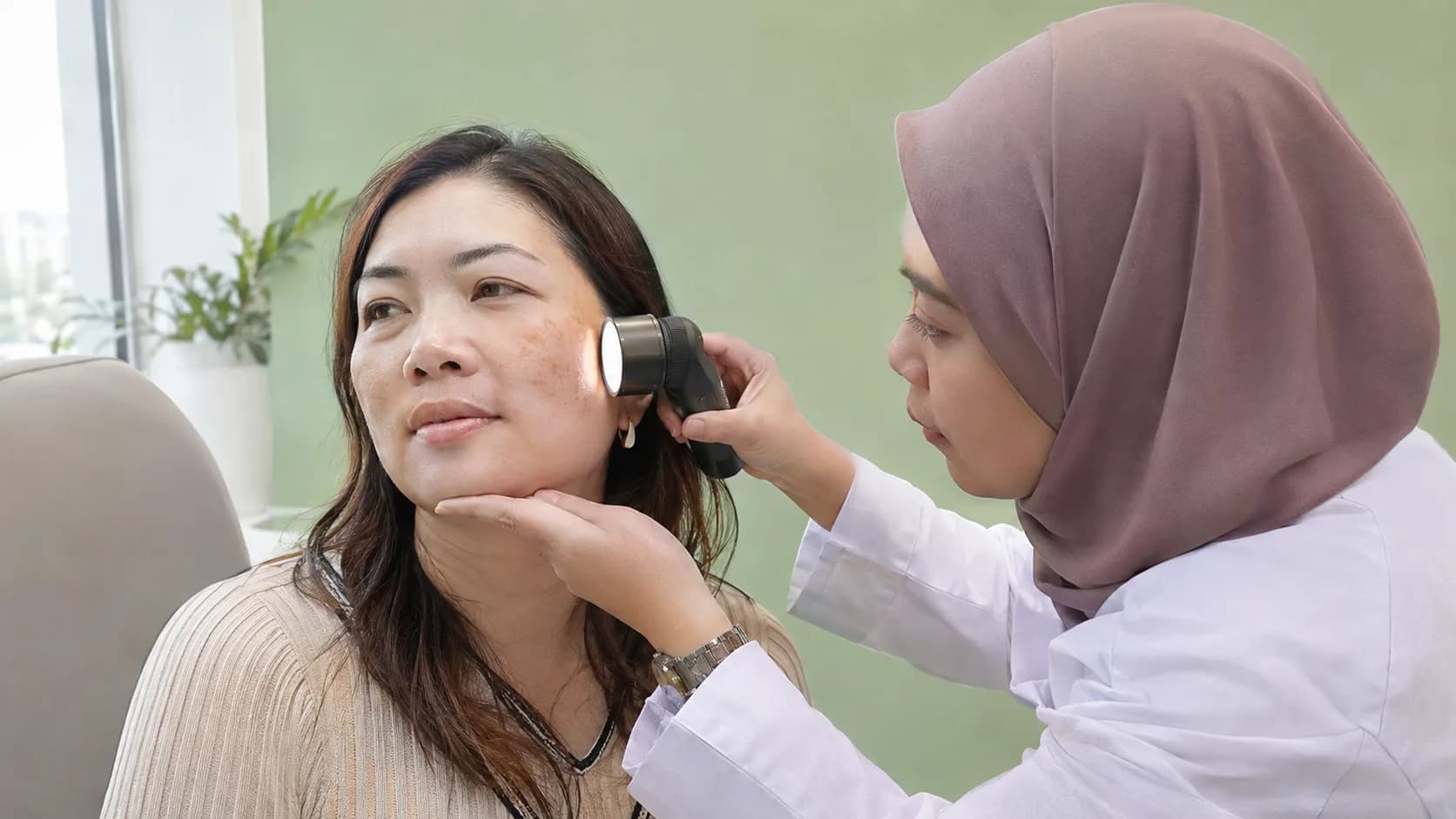

Melasma is a chronic, acquired pigmentary skin disorder characterised by symmetrical brown, tan, or greyish-brown patches across sun-exposed areas of the face, primarily the malar cheeks, forehead, upper lip, chin, and bridge of the nose. In Malaysia's year-round equatorial climate, managing melasma effectively requires a multi-modal, doctor-supervised strategy that combines strict broad-spectrum UV and visible light protection, targeted medical topicals, oral pigment regulators, and low-fluence photoacoustic or pulsed radiofrequency devices rather than harsh ablative lasers or unregulated bleaching creams that trigger rebound hyperpigmentation.
For thousands of women and men across Kuala Lumpur, Petaling Jaya, Penang, and Johor Bahru, melasma represents one of the most persistent skin concerns they will ever face. Unlike ordinary freckles or isolated solar lentigines that respond predictably to a single light-based session, melasma behaves as a dynamic, biologically active condition involving hyperfunctional melanocytes, dermal vascular dilation, and structural weakening of the skin's basement membrane. Understanding how Malaysia's climate interacts with your skin biology is the essential first step toward fading existing patches safely without provoking a darker relapse.
Why Melasma Is Especially Prevalent in Malaysia
Malaysia sits just north of the equator, meaning residents experience consistently high ultraviolet (UV) index readings between 8 and 12+ almost every day of the year, alongside high ambient heat and humidity. Unlike temperate countries where winter offers months of natural UV recovery, skin in Malaysia is exposed to continuous solar radiation from morning commutes along the Federal Highway to outdoor lunches in Bukit Bintang.
Furthermore, the majority of Malaysians have Fitzpatrick skin phototypes III, IV, or V. While higher baseline melanin offers natural protection against sunburn, it also means melanocytes are far more reactive to light, heat, and inflammation. Even five to ten minutes of unprotected exposure to morning sunlight or high-energy visible (HEV) blue light can reactivate dormant pigment cells and darken patches that took months to lighten.
Understanding the Three Clinical Subtypes of Melasma
Before starting any cream or energy-based procedure, an experienced aesthetic physician evaluates where the excess pigment sits within your skin layers using standard lighting and a Wood's lamp diagnostic examination:
| Melasma Subtype | Pigment Depth & Location | Visual Appearance on Malaysian Skin | Typical Clinical Response |
|---|---|---|---|
| Epidermal Melasma | Superficial outer layer of skin (epidermis) | Light to medium brown patches with relatively well-defined borders | Responds steadily to medical topicals, chemical peels, and low-fluence photoacoustic toning |
| Dermal Melasma | Deeper connective tissue layer (dermis), often involving dilated blood vessels | Ashy, bluish-grey, or slate-toned patches with blurred edges | Requires deeper multi-modal protocols such as Pulsed-Wave RF microneedling, 1064nm Pico Laser, and oral tranexamic acid |
| Mixed Melasma | Combination of both epidermal and dermal pigment deposits | Dark brown patches with uneven depth and underlying redness | Most common presentation in Malaysia; requires staged combination therapy and long-term maintenance |
Primary Causes and Daily Triggers
Melasma rarely stems from a single isolated cause. Instead, genetic predisposition sets the stage while external and internal triggers switch pigment production into overdrive:
- Ultraviolet (UVA/UVB) and Visible Light Exposure: UVA rays penetrate deep into the dermis and pass through standard car windows and office glass. Visible light, particularly blue-violet wavelengths from sunlight, also stimulates melanocytes directly in medium-to-deep Asian skin tones.
- Hormonal Shifts and Medications: Fluctuations in oestrogen and progesterone frequently initiate melasma. Pregnancy (commonly known as chloasma or the mask of pregnancy), oral contraceptive pills, hormone replacement therapy, and certain fertility medications are classic catalysts.
- Ambient Heat and Thermal Stress: Heat alone can worsen vascular melasma even when your face is shaded from direct sun. Standing over a hot wok while cooking, regular sauna or steam room visits, hot yoga sessions, and intense midday outdoor sports dilate dermal blood vessels that feed melanocyte activity.
- Unregulated Whitening Creams and Over-Exfoliation: Many patients in Malaysia inadvertently worsen their melasma by using unlabelled night creams purchased online that contain undisclosed corticosteroids, hydroquinone, or mercury. While these products may bleach the skin temporarily, they thin the epidermis, damage the basement membrane, and cause severe rebound darkening once stopped.
- Post-Inflammatory Stress from Aggressive Procedures: High-heat ablative lasers, harsh physical scrubs, or strong chemical peels performed without proper pre-conditioning can inflame Malaysian skin and trigger secondary post-inflammatory hyperpigmentation (PIH) on top of existing melasma.
Clinical Treatments That Work for Melasma
Because aggressive single-modality treatments carry a high risk of rebound pigmentation, doctors at Nexus Clinic Kuala Lumpur build personalised, staged programmes matched to your specific melasma subtype and Fitzpatrick skin phototype:
1. Low-Fluence Picosecond Laser Toning (Discovery PICO)
Traditional nanosecond Q-switched lasers rely heavily on photothermal energy (heat) to break down pigment, which can irritate surrounding melanocytes in darker skin types. By contrast, picosecond technology delivers ultra-short pulses measured in trillionths of a second, creating a photoacoustic (pressure-based) shockwave that shatters melanin clusters into dust-like fragments with minimal thermal spread. The body's lymphatic system then clears these microscopic particles naturally over the following weeks. Doctors calibrate conservative, low-fluence 1064nm settings specifically for melasma so the skin barrier remains intact with minimal redness for 24 to 48 hours. Learn more about wavelengths, modes, and suitability on our Pico laser in Malaysia page.
2. Dual-Wave Radiofrequency Microneedling (Sylfirm X)
In many stubborn Malaysian melasma cases, abnormal micro-blood vessels in the upper dermis continuously release vascular endothelial growth factor (VEGF), signalling melanocytes to keep producing pigment. Dual-wave radiofrequency microneedling operating in Pulsed Wave mode selectively coagulates these hyperactive dermal vessels and helps repair a compromised basement membrane without overheating the melanin-rich epidermis.
3. Oral and Topical Tranexamic Acid Protocols
Tranexamic acid works by blocking the plasmin-mediated pathway through which UV light, hormones, and inflammation stimulate tyrosinase (the enzyme responsible for melanin synthesis). Under medical supervision, low-dose oral tranexamic acid or targeted topical serums are frequently prescribed as a foundational step to calm cellular pigment activity before and alongside device sessions.
4. Medical-Grade Prescription Topicals and Barrier Repair
Between clinic visits, structured home care maintains steady pigment suppression. Physicians prescribe customised formulations containing ingredients such as azelaic acid, cysteamine, kojic acid, niacinamide, or gentle retinoids, paired with ceramide-rich moisturisers and polynucleotide (PDRN) skin boosters where needed to strengthen dermal resilience. For a complete overview of diagnostic assessments and multi-modal care pathways, explore our melasma treatment in Malaysia resource.
Comparing Common Pigmentation Approaches for Asian Skin
| Treatment Approach | Primary Mechanism | Suitability for Malaysian Melasma | Expected Downtime |
|---|---|---|---|
| Low-Fluence Pico Laser (1064nm) | Photoacoustic fragmentation of melanin clusters with minimal heat | High suitability when calibrated conservatively by LCP-certified doctors | Minimal; mild pinkness for 24 to 48 hours |
| Pulsed-Wave RF Microneedling | Targets abnormal dermal blood vessels and repairs basement membrane | Ideal for vascular, mixed, or previously rebounding melasma | Minimal; 24 to 48 hours mild redness |
| Doctor-Supervised Prescription Topicals | Suppresses tyrosinase enzyme activity and regulates cell turnover | Essential daily foundation for all melasma subtypes | Mild dryness during initial adjustment phase |
| Ablative Lasers / High-Heat IPL | Broad thermal destruction of surface tissue | Generally avoided for active melasma due to high rebound PIH risk | 5 to 7 days of crusting and high flare risk |
Daily Sun Protection and Aftercare Habits That Protect Your Results
Even the most carefully calibrated clinical programme will stall if daily UV and heat exposure go unchecked. Adopting consistent protective habits makes a decisive difference:
- Use Broad-Spectrum Tinted Sunscreen Daily: Apply a generous two-finger length of SPF 50+ PA++++ sunscreen every morning. Tinted physical sunscreens containing zinc oxide, titanium dioxide, and iron oxides offer superior protection because iron oxides block visible light in addition to UVA and UVB rays.
- Reapply Consistently: Reapply every two to three hours if you work near windows, drive frequently, or spend time outdoors. Powder or stick sunscreens make midday reapplication practical over makeup.
- Cool Down After Heat Exposure: After exercising, cooking, or walking outdoors in humid KL weather, rinse your face with cool water and apply a soothing, fragrance-free barrier moisturiser to reduce heat-induced vascular flushing.
- Pause Harsh Actives Around Clinic Sessions: Avoid scrubs, high-percentage glycolic or salicylic acids, and strong retinoids for 5 to 7 days before and after laser or RF sessions unless instructed otherwise by your doctor.
Frequently Asked Questions (FAQs)
Can melasma be cured permanently?
Melasma is a chronic pigmentary condition rather than a one-time blemish. While clinical treatments can significantly fade stubborn patches and restore a much more even skin tone, melanocytes retain memory and can reactivate if exposed to unprotected UV light, heat, or hormonal shifts. Ongoing sun protection and periodic maintenance keep results stable long term.
How many Pico laser sessions are typically needed for melasma?
Most patients require an initial course of 4 to 8 low-fluence sessions spaced two to four weeks apart. Epidermal patches tend to lighten earlier, while deeper dermal or mixed melasma requires gradual, patient clearance across multiple visits.
Will laser treatment make my melasma darker?
Aggressive, high-heat laser settings can trigger post-inflammatory hyperpigmentation or rebound darkening in Fitzpatrick skin types III to V. Using low-fluence picosecond photoacoustic toning calibrated specifically for melasma minimises thermal stress and protects surrounding pigment cells.
Do I still need sunscreen if I work indoors in an office all day?
Yes. UVA rays pass directly through standard office and car window glass, and high-energy visible light from indoor lighting and bright windows can continue stimulating pigment production in melasma-prone skin.
Can I clear melasma using over-the-counter vitamin C or brightening serums alone?
Over-the-counter antioxidants such as vitamin C and niacinamide help defend against free radicals and support general skin radiance, but moderate-to-deep melasma rarely clears with non-prescription skincare alone. Combining doctor-prescribed topicals with targeted clinical procedures delivers far more reliable improvement.
Book a Doctor-Led Melasma Assessment at Nexus Clinic Kuala Lumpur
Unsure whether your facial pigmentation is epidermal melasma, dermal melasma, sunspots, or post-inflammatory hyperpigmentation? Visit Nexus Clinic KL at LG 10, Lower Ground Floor, Wisma UOA 2, Jalan Pinang, 50450 Kuala Lumpur (open Monday to Saturday, 9:00 AM to 6:00 PM) for a thorough consultation and Wood's lamp skin evaluation with our LCP-certified aesthetic physicians. Call our clinical team at 016-774 5699 or WhatsApp 016-824 5699 or explore our melasma treatment in Malaysia page to schedule your personalised assessment.