
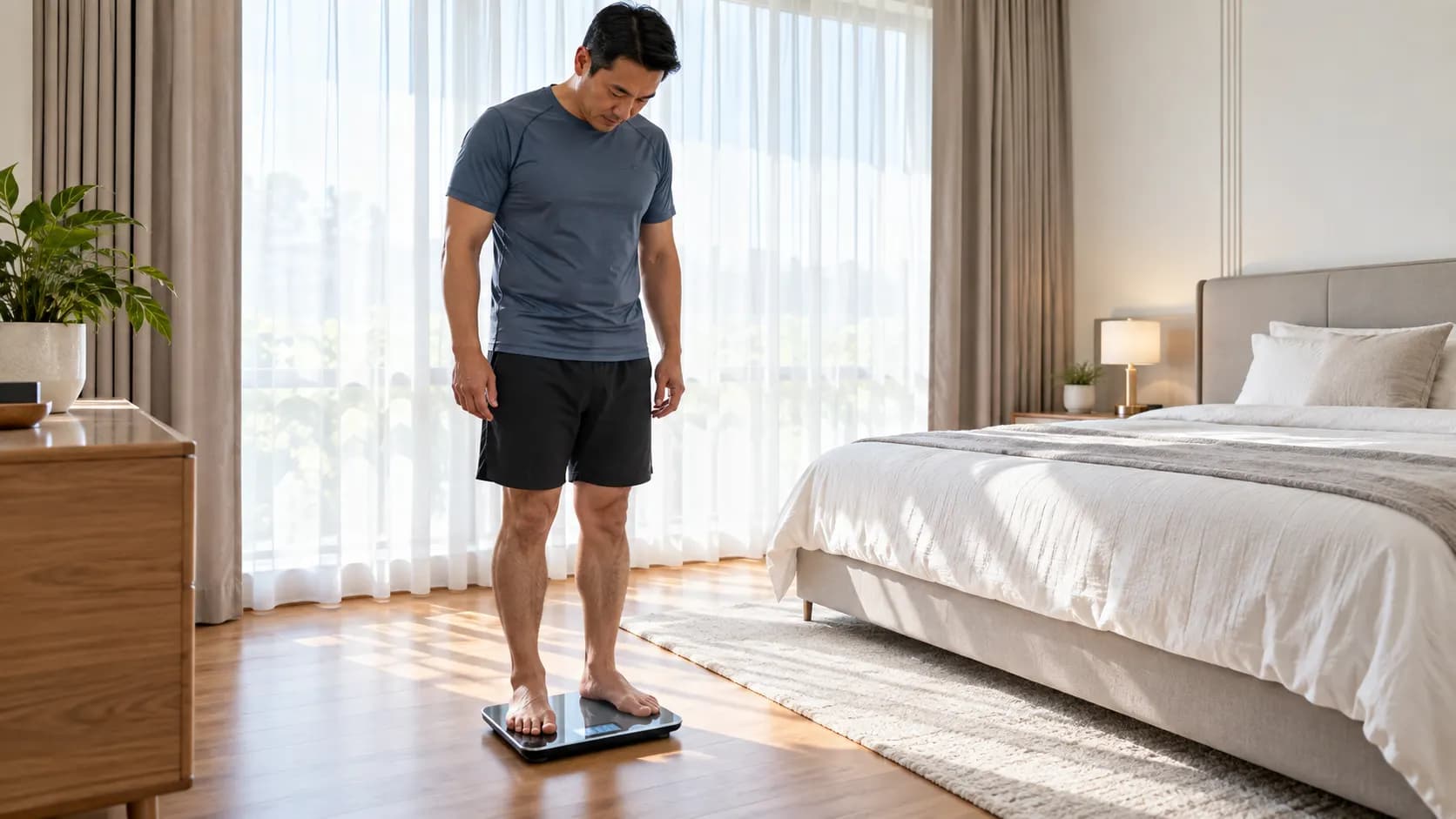

The first few months on semaglutide often bring steady, encouraging results. Then, for many patients, the scale stops moving. An Ozempic weight loss plateau is one of the most common reasons people book a review with their doctor, and it is also one of the most misunderstood.
A plateau is not a sign that the medication has stopped working or that you have done something wrong. It is a normal phase of weight loss with recognisable causes, and there are steps worth discussing with your doctor. This article explains what is happening and what those conversations typically cover during treatment.
Why an Ozempic Weight Loss Plateau Happens
As you lose weight, your body needs fewer calories to run. A lighter body burns less energy at rest and during movement. The eating pattern that produced a deficit at your starting weight may now simply match your needs, so the loss slows or stops.
At the same time, appetite suppression from semaglutide can feel less pronounced after several months as the body adapts. Portions can creep up without you noticing, particularly snacks and drinks. Add a few weeks of poor sleep or higher stress, and it is easy to see why progress stalls.
The scale can also mislead. Water retention, hormonal cycles and changes in muscle can mask fat loss for a couple of weeks at a time. A true plateau is a period where the scale stops moving despite continuing treatment, rather than a single flat weigh-in. If there has been no meaningful change for several weeks, that is the point to raise it with your doctor.
Look at NEAT Before Anything Else
NEAT stands for non-exercise activity thermogenesis. It is the energy you burn through everyday movement such as walking to the LRT, taking stairs, standing and household chores. When people eat less, NEAT often drops without them realising. You feel a little more tired, sit a little more, and take the lift instead of the stairs.
Restoring NEAT is one of the most accessible ways to nudge a plateau. Set a daily step target slightly above your current average, take short walks after meals, and stand up regularly if you work at a desk. These small changes add up and do not require gym time.
Protein and Meal Structure
Reduced appetite makes it easy to under eat protein, and low protein intake makes plateaus more likely. Protein keeps you fuller, protects muscle and slightly increases the energy used to digest food. Aim to include a proper protein source at every main meal, such as fish, chicken, eggs, tofu, tempeh or lean beef.
Bringing some structure back to eating also helps. Keep a simple food diary for a week. Many patients find that liquid calories, late-night snacking or a generous hand with rice have quietly returned. You do not need to be strict, only aware.
Sleep, Stress and Recovery
Short or broken sleep raises hunger hormones and lowers the hormones that signal fullness, working directly against the medication. Chronic stress has a similar effect and often pushes people towards comfort food. Aim for seven to eight hours of sleep, keep a regular bedtime, and reduce screen time late in the evening.
Resistance training two to three times a week is another useful tool. It preserves muscle during weight loss and supports a higher resting metabolism, which can help stabilise results over time.
Next Steps to Discuss With Your Doctor
Sometimes lifestyle adjustments are already in place and the plateau persists. This is where a review with your doctor matters. As part of a doctor-monitored weight loss plan, your clinician can assess whether current medication dosing, your dietary intake, activity levels, sleep, stress and other health factors all warrant attention. They can also review whether any changes to Ozempic dosage are appropriate based on your response, side effects and medical history.
This decision should never be made at home. Adjusting your own injection does not necessarily improve results and can increase side effects. Bring your food diary, activity data and weight trend to the appointment so the discussion is based on real information.
Plateau reviews are a routine part of doctor-led weight management at Nexus Clinic in Kuala Lumpur, combining medication review with practical guidance on nutrition, movement and sleep. Patients on the GLP-1 programme have these conversations built into their follow-up schedule.
Frequently Asked Questions
How long does an Ozempic weight loss plateau usually last?
There is no fixed duration. Once the underlying causes are identified and addressed with your doctor, progress often resumes within a few weeks. If there has been no change for several weeks, book a review.
Should I increase my dose to get past a plateau?
No, not on your own. Any dose change should be decided by your doctor after reviewing your progress, side effects and overall health.
Does a plateau mean the medication has stopped working?
No. A plateau usually reflects normal metabolic adaptation and small changes in daily habits, both of which can be reviewed during a clinic appointment.
This article is for general information only. Please consult a qualified doctor for advice about your individual health situation.
References
- Wilding JPH, et al. "Once-Weekly Semaglutide in Adults with Overweight or Obesity." New England Journal of Medicine, 2021; 384: 989-1002.
- Malaysian Endocrine and Metabolic Society. Clinical Practice Guidelines: Management of Obesity, 2nd edition. Ministry of Health Malaysia.