
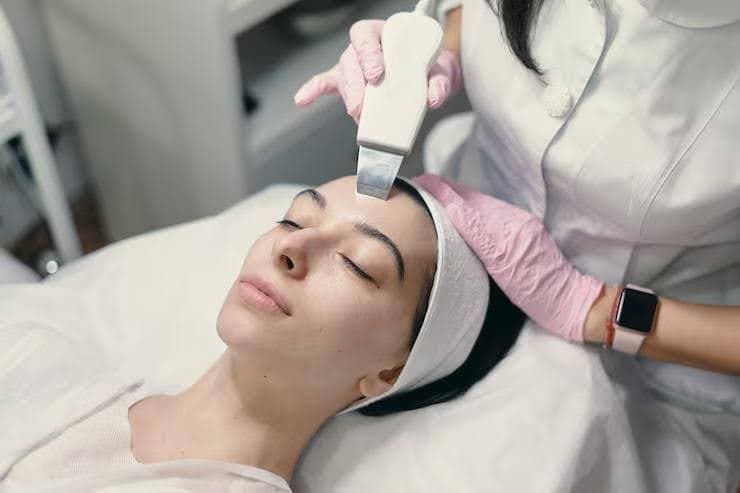

Earlier it was a rule that a person with a beautiful, melanin-rich skin tone should avoid cosmetic lasers. The usual advice of relatives, friends, and old articles was, “Lasers can cause serious burns to the skin, scarring, or dark patchy marks that will look worse than the spots you are trying to remove. That’s a good adage, as older-generation skin lasers would use a lot of heat energy to burn the imperfections and in darker skin types, that often needed to produce melanin to fight off the laser’s effect. Fortunately, the old story is no longer true thanks to recent developments in dermatology. For anyone who’s dealing with persistent acne scars, sun damage or deep hormonal melasma, Pico Laser Malaysia has proven to be a revelation as a safe way to treat darker skin tones without the risks of history.
The world of aesthetic technology can be so overwhelming that one is not sure if the highly publicized treatment is right for his or her particular cultural heritage. Indian skin tones and Malay skin tones generally fall somewhere between Fitzpatrick skin types 3 and 6; that is, your skin cells naturally contain protective melanin, which makes your skin naturally protected against harmful UV radiation. This article explains what the real science is behind ultra-short laser pulses, the interaction with darker skin tones and some honest and practical tips to get your skin looking bright and beautifully even.
Understanding the Difference: Heat vs. Sound Waves
Traditional laser systems use what doctors call photothermal energy. This simply means the machine fires a relatively long, continuous beam of light that heats up the target tissue to break down dark pigment or trigger new collagen production. While this works beautifully on very fair skin, it poses a significant, well-documented hazard for Indian and Malay individuals. The high thermal energy can easily irritate surrounding healthy skin cells, leading directly to post-inflammatory hyperpigmentation, a frustrating condition where the skin reacts to irritation by creating new dark spots.
This is replaced by a much milder process known as the photoacoustic effect in the modern picosecond system. This cutting-edge technology sends incredibly fast light pulses, in trillionths of a second, rather than cooking or heating your skin tissue. So fast that the laser energy isn’t transformed into heat; it’s a sheer pressure wave. The acoustic wave is like a tiny soft hammer that shatters the concentrated melanin in the targeted dark spots without raising the temperature of the surrounding skin. Your body then naturally and easily flushes these tiny particles away through its internal lymphatic system over the following weeks.
Is It Truly Safe for Indian and Malay Skin Tones?
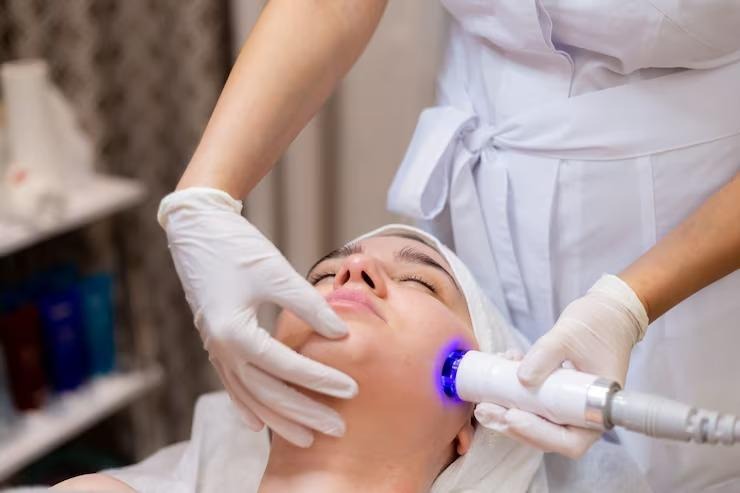
The short answer is yes, but the ultimate success of the treatment relies heavily on the specific settings used by your practitioner. Because the picosecond technology avoids generating excessive thermal energy, the risk of burning melanin-rich skin is drastically lower than it used to be years ago. For Malay skin, which frequently battles deep hormonal melasma due to years of tropical sun exposure and local humidity, this technology allows for gentle fading of deep pigment patches without triggering a defensive, rebound darkening effect.
For Indian skin tones, which are often highly prone to deep, dark acne scars and uneven pigmentation around the mouth and eyes, the mechanical shockwaves do fantastic double duty. They shatter the dark spots while simultaneously creating tiny, microscopic bubbles deep within the dermal layers of your skin. This clever process encourages the skin to naturally produce fresh, healthy collagen and elastin, filling in pitted scars and smoothing out rough textures from the inside out. It offers a highly effective alternative to traditional skin laser resurfacing techniques that used to peel away entire layers of your skin surface, requiring weeks of painful hiding at home.
The Pivotal Role of Custom Wavelengths
One of the biggest misunderstandings about a laser machine is that it is a simple, universal machine. In fact, a good practitioner will tweak the machine with completely different wavelengths, depending on the depth of your pigmentation and your natural skin tone. For example, in cases of complexions like deep Indian and Malay, 1064 nm is considered the safest wavelength. This particular wavelength circumvents the most superficial melanin, which is present on the very surface of the skin, and penetrates the deeper layers of the skin without causing any harm to the surface melanin.
Even with a modern picosecond device, using the incorrect wavelength or too high a power can cause problems. This is why it is imperative to have a personalized and in-depth consultation prior to your treatment. A qualified doctor will study the kind of skin you have, your medical history, and in most cases, may perform a small patch test on an inconspicuous spot on your jawline to see just how the melanin will react before treating the entire face.
What to Expect During and After Your Session
You can easily prepare for the procedure, and the treatment itself takes just a few minutes. Typically, most sessions last only 15-20 minutes and fit into a typical lunch break.
- There is minimal prep required: Your skin must be totally at ease; no strong, active skin care products like retinoids, glycolic acids or any harsh chemical exfoliants should be used 5 days before your appointment.
- A tolerable, rapid sensation: The majority of patients report a sensation of small, rapid snaps of a light rubber band against the skin. Usually, you will apply a topical numbing cream before the procedure to ensure that you will not feel any discomfort at all during the entire procedure.
Immediately following the session, your skin may have a slight reddish glow, like a very light sunburn. This is a pinkish coloration that may appear as a slight darkening (or warm and subtle swelling) for darker skin tones. This is a completely normal physiological response and usually completely subsides within 24-48 hours. There is no peeling or raw skin to deal with, as well as no weeping wounds, which allows you to get back to your working routine or social life immediately as compared to older cosmetic treatments.
Finding an Accredited Aesthetic Center in Malaysia
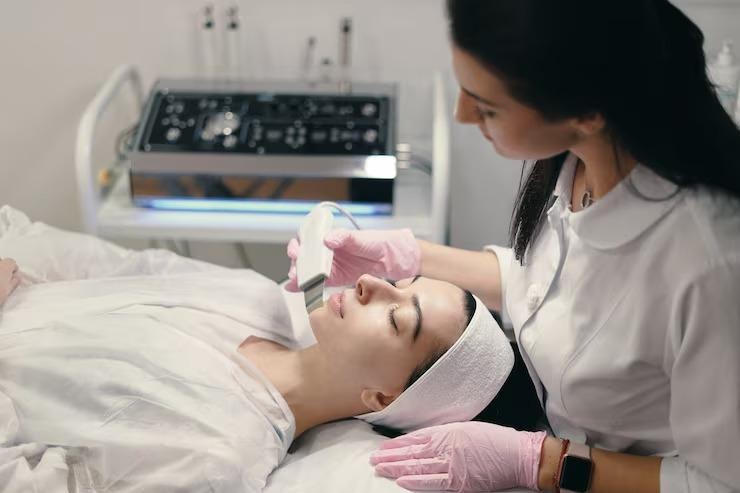
There are so many good bargains on offer for laser services in today’s marketplace that it’s fairly easy to find them in beauty salons, facial spas and grooming parlors all over the country. One thing is critical and essential – a beautician at a salon should never use a medical-grade laser. Official medical qualifications of the practitioners should always be at the top of the priority list for the best skin care clinic in Malaysia. For aesthetic doctors, legally practicing in Malaysia is only allowed by getting a valid Letter of Credentialing and Privileging from the Ministry of Health of Malaysia. This certification ensures that the physician has completed years of comprehensive post-graduate medical training to learn the complicated facial anatomy, laser physics and complication management. In addition, beauty salons typically have machines that are not approved for use and are low-powered, which are purchased online, which can be very dangerous for dark skin tones as they are not calibrated properly.
The Critical Importance of Specialized Post-Care
What you do at home after your treatment is just as important as the work done inside the medical room. Melanin-rich skin remains slightly vulnerable for a few weeks after any light-based treatment, meaning strict sun protection is your absolute best friend. You must commit to applying a broad-spectrum sunscreen with an SPF of at least thirty or higher every single morning, even if it is cloudy or you are staying indoors.
Pair your daily sunscreen with a gentle, deeply hydrating moisturizer that contains skin-soothing ingredients like ceramides or hyaluronic acid to help your skin barrier repair itself efficiently. Avoid the temptation to use brightening creams containing harsh bleaching agents right after your session. Let your skin rest, drink plenty of water, and allow your body’s natural cellular turnover to bring that fresh, clear, and radiant skin to the surface at its own pace.
Conclusion
It’s a process that will take time and patience to get a flawless, perfectly even skin tone. You will probably see more of a difference in color and texture after the first treatment, but deeper problems such as rolling acne scars or hard-to-remove dermal melasma may need a series of three to six treatments, spaced about 4 weeks apart. Beauty investments are an amazing long-term process. In the age of modern cosmetic innovations, you can optimize the health of your skin safely and stunningly, knowing its particular characteristics, avoiding bottom-of-the-line beauty salons, and relying on trusted facials only from certified medical professionals.
Nexus Clinic offers a highly professional, doctor-led approach to skin health, combining cutting-edge laser technologies with deep anatomical expertise. Their certified medical team understands the nuances of treating diverse Malaysian skin tones, providing tailored, evidence-based treatments that focus on safety and natural-looking rejuvenation.
FAQs
Can Pico Laser cause permanent white spots on dark skin?
If the laser energy is set too high or an incorrect wavelength is used, it can accidentally destroy the pigment-producing cells completely, leading to a condition called hypopigmentation. Choosing a certified medical doctor who understands how to calibrate the machine safely for dark skin minimizes this risk.
How long does it take to see visible results for acne scars?
Collagen remodeling is a gradual biological process. While your skin texture will start to feel smoother within a couple of weeks, the real improvement in deep acne scars typically becomes visible after your third or fourth session.
Is the treatment painful for sensitive skin types?
Most patients find the procedure highly tolerable. The application of a high-quality medical numbing cream before the treatment numbs the surface of the skin, reducing the sensation to a light, tingling snap.
Can I wear makeup immediately after my laser session?
It is generally best to let your skin breathe and rest for at least twelve to twenty-four hours after a session. If you must wear makeup, choose a clean, mineral-based formula that will not clog your pores or irritate your healing skin barrier.
Why is daily sun protection so critical after a laser treatment?
The laser treatment temporarily leaves your skin cells slightly vulnerable. Exposure to UV rays without protection can cause your melanin-producing cells to go into overdrive, resulting in the rapid return of dark spots.
Is Pico Laser effective for fading old body scars or stretch marks?
Yes, this technology can be used on various parts of the body to fade dark spots and stimulate collagen in scarred areas. The settings will simply be adjusted to account for the thickness of the skin on the body compared to the face.
Will my melasma return after completing the full treatment cycle?
Melasma is a chronic, hormone-driven skin condition that can be triggered by sun exposure or internal hormonal changes. While the laser breaks down existing dark patches, maintaining long-term results requires a proper skincare routine and consistent sun protection.
How do I check if my aesthetic doctor is legally certified in Malaysia?
You can easily verify your doctor’s credentials by searching their name on the official Malaysian Medical Council register or checking the Ministry of Health website to confirm they hold a valid LCP certificate.
✓ Reviewed by Dr. Preetha Nair, Aesthetic Medical Doctor – Nexus Clinic KL