

Every popular treatment comes with a cloud of misconceptions around it. PRP hair treatment is no exception. Some things floating around online are just plain wrong. Others are half-truths that create unrealistic expectations in both directions, either making people think PRP is a miracle cure or making them avoid it entirely when it could genuinely help them.
Let us go through the most common ones.
Myth 1: PRP Hair Treatment Hurts a Lot
This is the biggest reason people hesitate, and it is not accurate.
PRP involves injections into the scalp, which sounds alarming. But standard practice at reputable clinics involves applying a topical numbing cream to the scalp before the session. By the time injections begin, most patients feel mild pressure or a brief tingling sensation rather than significant pain.
People with very sensitive scalps may find it more uncomfortable, but the procedure takes only twenty to thirty minutes and does not require any recovery time afterwards. Most people go back to their normal routine the same day. If you want to understand what the experience looks like from start to finish, our PRP hair treatment page at Nexus Clinic walks through the full session process.
Myth 2: PRP Grows Hair in Completely Bald Areas
This is a common misunderstanding and one that leads to real disappointment when expectations are not set properly.
PRP works by stimulating follicles that are weakened or dormant but still biologically present. If an area of your scalp has been completely bald for many years, the follicles in that area are likely dead. PRP cannot regenerate them from scratch.
The treatment is most effective in areas where thinning is active and follicles are still alive but producing thinner, weaker hair than they used to. That is where PRP delivers its best results, thickening and strengthening existing growth and reducing shedding.
For areas with complete follicle loss, a hair transplant is the correct solution. Our hair transplant in Malaysia guide explains how surgery works for areas where PRP cannot help.
Myth 3: One Session Is Enough
A single PRP session will not produce lasting or significant results. Hair restoration is a process, not a single event.
The recommended protocol is typically three to four sessions spaced about four weeks apart. This loading phase builds up the regenerative effect cumulatively in the follicular environment. Skipping sessions or stopping after one because results are not immediately visible is a very common reason people say PRP did not work for them.
After the initial phase, maintenance sessions every six to twelve months help sustain and build on the results.
Myth 4: PRP Is Just for Men
Male pattern baldness is more visible and more commonly discussed, which has made some people assume PRP is primarily a male treatment. It is not.
Women experience hair loss too, often as diffuse thinning across the scalp rather than the clear receding hairline pattern seen in men. Hormonal changes, post-pregnancy shedding, stress, and nutritional deficiencies all affect female hair density significantly.
PRP works just as well for women experiencing androgenetic alopecia or other forms of active hair thinning. Many women who feel self-conscious about using medications like finasteride due to potential side effects find PRP a very suitable non-pharmaceutical alternative. The full range of non-surgical options for both men and women is covered in our hair loss treatment overview in KL.
Myth 5: PRP Results Are Permanent After the Loading Phase
PRP improves the scalp environment and reduces hair loss, but it does not change the underlying genetic or hormonal causes. Once treatment stops, the underlying process can resume over time.
This does not mean the results disappear overnight. Many patients see stable improvement for a year or more after a loading phase. But for sustained, long-term density maintenance, periodic sessions are part of the plan.
Think of it like maintaining a car. One good service does a lot, but consistent maintenance keeps things running well over time.
Myth 6: Any Salon or Beauty Centre Can Do PRP
This is genuinely dangerous to get wrong.
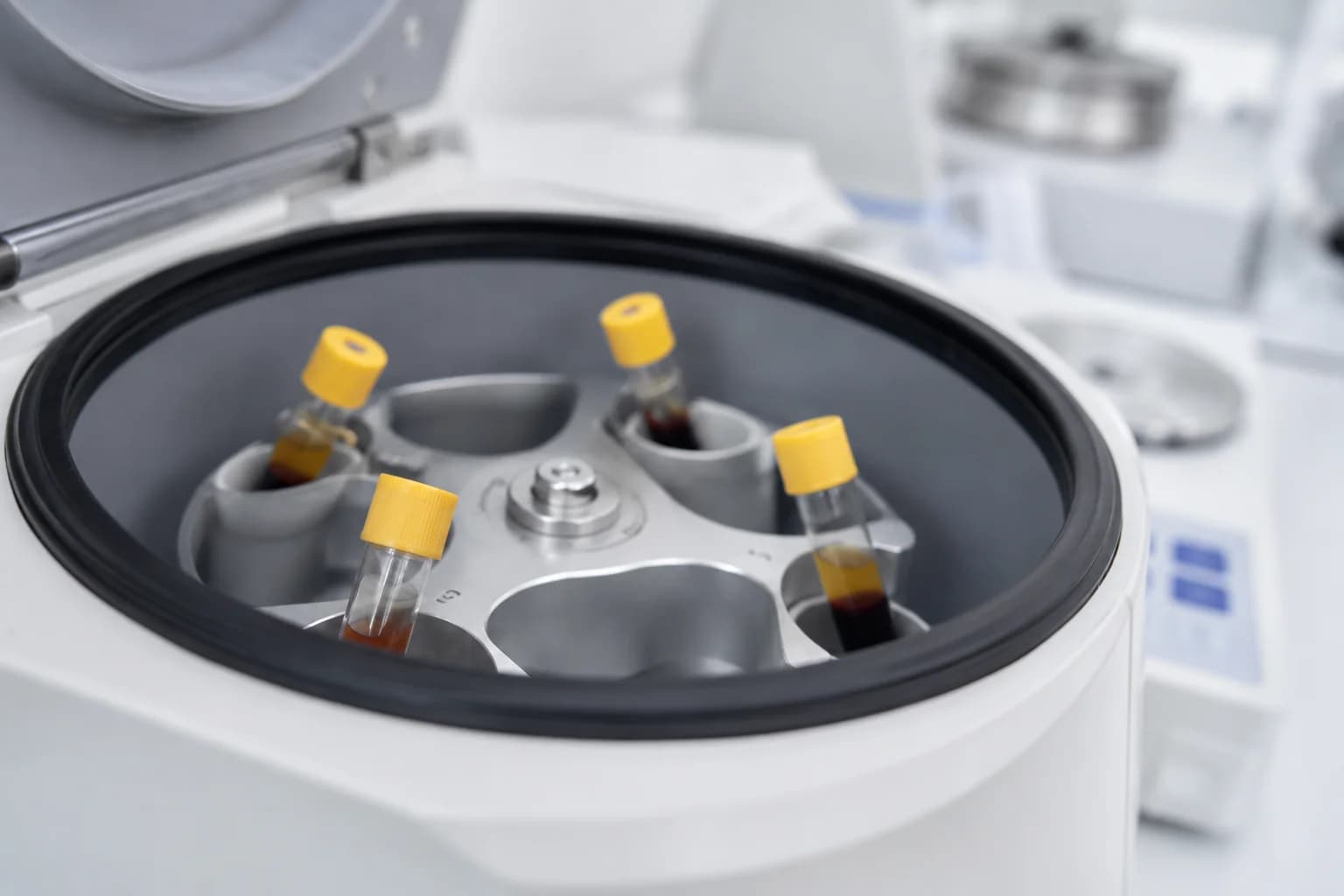
PRP is a medical procedure that involves drawing blood, processing it in a certified medical centrifuge, and administering injections into the scalp. It must be performed by a licensed doctor in a proper clinical setting.
Beauty salons and non-medical aesthetic spas in Malaysia are not legally permitted to perform PRP injections. Anyone offering PRP outside a licensed medical clinic is doing so without the regulatory oversight that protects you from infection, incorrect preparation, or unsafe injection technique.
Always verify that the clinic is registered and that the procedure will be performed by a qualified medical professional.
Myth 7: PRP Is Too Expensive to Be Worth It
Whether something is worth the cost depends on what you compare it to. A typical three-session PRP package in KL runs between RM 2,500 and RM 4,500. That sounds like a lot until you consider the alternative of letting hair loss progress to the point where only surgery can restore coverage, which typically costs between RM 8,000 and RM 30,000.
PRP at the right stage can delay or prevent the need for surgery. From that perspective, it is often a very cost-effective investment. For patients wanting to understand what a more advanced option like exosome hair treatment in Malaysia involves and how it compares, that page gives the full picture.
Myth 8: PRP and Minoxidil Do the Same Thing
They are not the same and work through completely different mechanisms.
Minoxidil is a topical medication applied daily that works by increasing blood flow to the scalp and extending the growth phase of hair follicles. It needs to be applied every day without fail, and results fade once use stops.
PRP uses your own platelet-derived growth factors to directly stimulate follicle activity at a cellular level. Sessions are periodic rather than daily. Many patients and doctors use both together because they address hair loss from different angles at the same time, and research suggests the combination produces better results than either treatment alone.
Myth 9: PRP Causes Side Effects
Because PRP uses material drawn directly from your own body, there is essentially no risk of allergic reaction or immune rejection. It is as autologous as any treatment can be.
Common temporary effects include mild redness at the injection sites, slight scalp tenderness, and occasional minor swelling for 24 to 48 hours. These resolve quickly on their own.
Serious side effects from properly administered PRP are extremely rare. The risk increases significantly if the procedure is done outside a medical clinic by unqualified personnel.
Myth 10: You Will See Results Within a Week
Hair growth operates on a biological cycle measured in months, not days. After a PRP session, you may notice reduced shedding fairly quickly, sometimes within a few weeks. But visible new hair growth takes time.
Most patients see meaningful improvement in density and thickness between three and six months after the initial loading phase. Expecting results in a week and then giving up is another common reason people write off PRP unfairly.
Patience is not optional with hair restoration. It is part of the process.
Patience is not optional with hair restoration. It is part of the process. If you are ready to start a structured treatment plan, book a consultation at Nexus Clinic and get a clear picture of what realistic results look like for your specific hair loss stage.
Frequently Asked Questions
How do I know if PRP will work for me specifically?
A scalp assessment by a doctor is the only reliable way to know. Your doctor will evaluate your hair loss pattern, follicle health, and Norwood stage to determine whether PRP is likely to produce meaningful results for you.
Can I do PRP while also taking finasteride?
Yes. PRP and finasteride work through different mechanisms and are often used together for a more comprehensive approach to androgenetic alopecia.
How long does each PRP session take?
A full session including the blood draw, centrifuge processing, and injections typically takes 45 to 60 minutes.
Is PRP suitable for alopecia areata?
PRP has shown some benefit in alopecia areata, a condition where the immune system attacks hair follicles. However, results vary significantly and a specialist consultation is important before pursuing this for autoimmune hair loss.
Will my hair fall out after a PRP session?
Some shedding in the days following a session is normal and temporary. This is part of the follicle cycle resetting and is not a sign that the treatment is failing.
How is PRP different from mesotherapy for hair?
Mesotherapy injects a vitamin and nutrient cocktail into the scalp. PRP injects growth factors from your own blood. Both target follicle stimulation but through different mechanisms. PRP has a stronger clinical evidence base for hair loss specifically.
Can PRP be done on eyebrows or beard areas?
Yes. PRP is used for eyebrow thinning and beard sparse areas by some clinics. The principle is the same though results vary by individual.
What should I do to prepare for a PRP session?
Most doctors advise staying well-hydrated, avoiding alcohol for 24 hours before, and not taking anti-inflammatory medications like ibuprofen for a few days before the session, as these can affect platelet activity.
Is PRP safe for people with diabetes or high blood pressure?
Generally yes, though your doctor will review your full medical history before proceeding. Certain medications or conditions may require adjustments to the protocol.
Does PRP work faster for younger patients?
There is some evidence that younger patients with more recently onset hair loss respond more quickly because their follicles are still in better condition. Early intervention consistently produces better outcomes regardless of age.
✓ Reviewed by Dr. Preetha Nair, Aesthetic Medical Doctor – Nexus Clinic KL