
Botox Side Effects Malaysia What's Normal, What's Rare, and What Actually Needs Attention
Most people researching Botox side effects in Malaysia land on a page listing redness and mild swelling, then move on. Fair enough, that's the reality for most patients. But there's a lot more worth understanding here, from the eyelid drooping everyone's heard about to the rare stuff that almost never happens but should still be recognised if it ever does. Not trying to scare anyone off treatment. Just filling in what a basic side effects list usually skips over entirely.
Every botulinum toxin product carries what's called a boxed warning, the FDA's most serious safety label category. It covers the chance of the toxin spreading past where it was injected and affecting other parts of the body. Risk sits highest in patients getting high-dose medical treatment and stays genuinely rare at standard cosmetic doses.
Important Clinical Note
Botox side effects vary by individual. Always consult with a licensed medical professional for proper assessment and dosing.
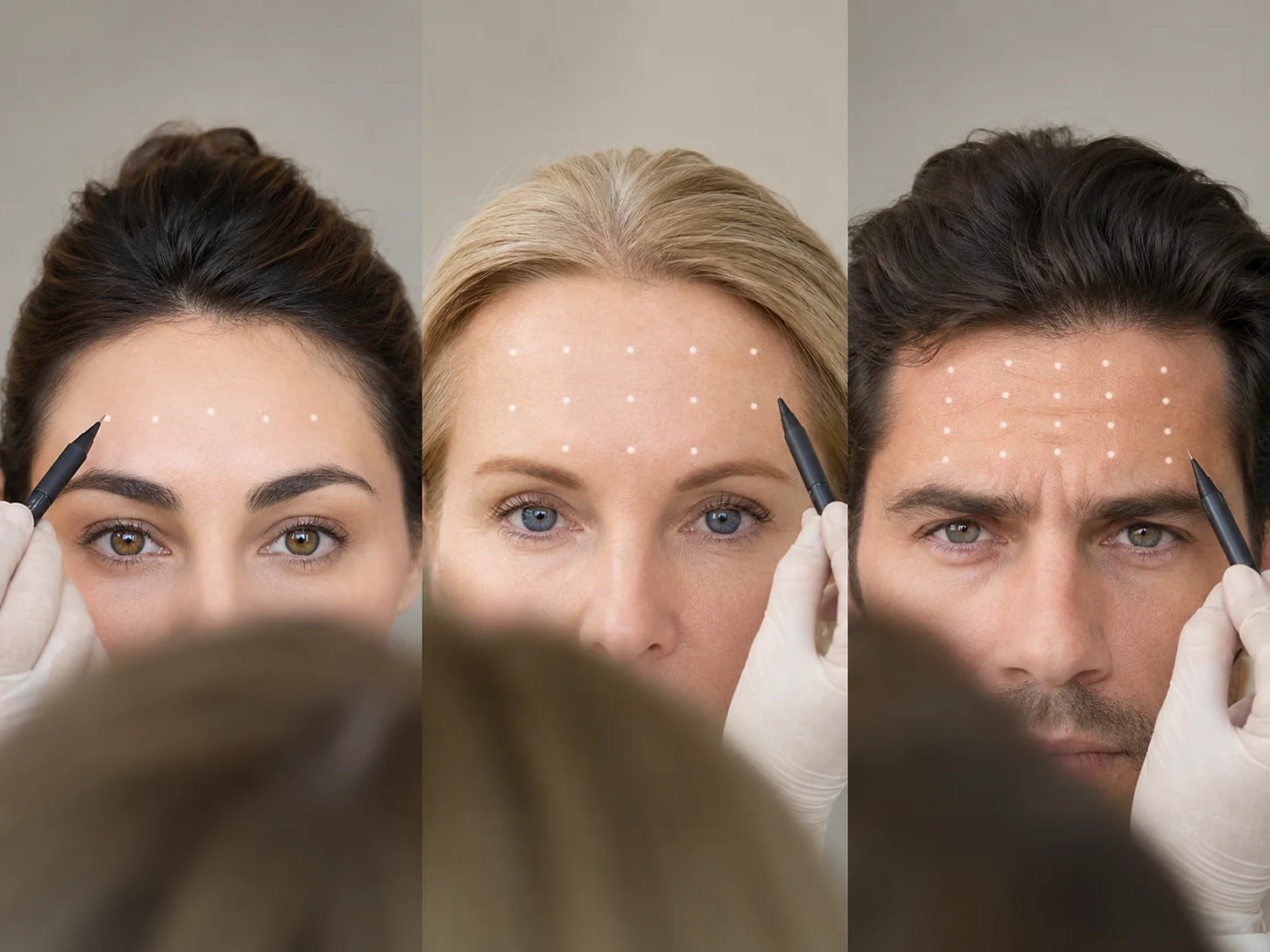
⚠️ Botox Safety Guide
Know what's normal • What's not
Eyelid Drooping: The One Everyone's Actually Scared Of
Ptosis, the medical term for a drooping eyelid, is probably the most talked about Botox complication out there. It happens when the product drifts slightly from where it was meant to go and ends up reaching the muscle holding your upper eyelid open.
- Usually shows up a few days after treatment, sometimes as late as a week or two
- Affects somewhere between 1 and 5 percent of patients, depending on the area and technique
- Almost always fixes itself within two to six weeks as the Botox wears off
- Doctors can sometimes prescribe eye drops that temporarily lift the lid by a millimetre or two while you wait it out
Whether this happens at all really comes down to who's injecting and how precisely. Someone who actually understands facial anatomy can largely avoid it. Which is part of why picking who treats you matters a lot more than picking whoever's cheapest.
Telling Normal Drooping From Something Actually Serious
This distinction matters and barely anyone explains it clearly. Cosmetic ptosis and something more dangerous can look similar for a second, but they don't behave the same way.
- Regular ptosis from Botox typically hits one eye, not both
- Comes with heaviness in the lid and trouble opening it fully, nothing beyond that
- Both eyelids drooping together, or drooping paired with blurred vision, breathing trouble, difficulty swallowing, or odd weakness elsewhere in the body, that's not typical ptosis and needs a doctor immediately
The second version is extremely rare in cosmetic treatment. Still, knowing the difference means you're not panicking over normal ptosis while also not brushing off something that actually needs medical attention.
The Warning Label Nobody Actually Reads
Every botulinum toxin product carries what's called a boxed warning, the FDA's most serious safety label category. It covers the chance of the toxin spreading past where it was injected and affecting other parts of the body.
- Can include general muscle weakness, trouble swallowing, slurred speech, vision changes, or breathing difficulty
- These can appear hours to weeks later, which is part of why it's worth knowing even after you've left the clinic feeling totally fine
- Risk sits highest in patients getting high-dose medical treatment for things like spasticity, and stays genuinely rare at standard cosmetic doses
- This is exactly why it's a prescription medicine handled by a doctor, not something you'd get done casually
Rare doesn't mean impossible. It's why a proper consultation checks your health history for anything that raises this risk before treatment even starts, not after.
The Counterfeit Product Problem, and Why It's Growing
This gets far less attention than it should, and it's become more relevant as Botox demand keeps climbing everywhere. A cluster of patients developed actual botulism symptoms after getting injections tied to counterfeit or mishandled product, tracked by health authorities in 2024.
- Symptoms included blurred vision, drooping eyelids, dry mouth, slurred speech, general weakness
- Onset was usually within a few days of injection
- Counterfeit vials can carry unpredictable toxin concentrations, so even a skilled injector can't dose safely if the product itself is fake
- This risk only exists where product isn't sourced through legitimate, regulated channels
Basically the core argument for going somewhere that'll actually show you the packaging and confirm the brand. Not about brand snobbery. It's about knowing what's really going into your face.
Lower Face Side Effects People Don't See Coming
Not everything involves the eyes. Treatment lower on the face carries its own risks that don't get talked about as much.
- An uneven or crooked smile if product spreads slightly into muscles near the mouth
- Trouble pursing the lips fully, similar to what happens with lip flip but possible in nearby areas too
- With masseter treatment specifically, an odd reaction where the muscle can occasionally end up looking larger instead of smaller if the body compensates in an unexpected way
All uncommon. Still good to know these exist, especially if your plan covers more than one area at once.
True Allergic Reactions Happen Less Than People Think
A lot of patients worry about allergies going in. Fair instinct, but the actual rate of a genuine allergic reaction to Botox is very low. Still, the signs are worth recognising:
- Itching, rash, or hives at or beyond the injection site
- Swelling of the face or throat
- Wheezing or trouble breathing
- Dizziness or just feeling generally unwell shortly after
Any of these need immediate medical attention, not a wait-and-see approach. If you've reacted to any botulinum toxin product before, or have a known allergy to something like human albumin, that needs to come up during consultation before anything's injected.
Bruising: Common, and Partly Within Your Control
Bruising is one of the more expected side effects, but a few things make it more or less likely.
- Blood thinning supplements like fish oil, plus alcohol, can raise bruising risk if taken close to your appointment
- Skipping these for a day or two beforehand genuinely helps a lot of patients
- Most bruising that does happen settles within about a week, faster with arnica or a gentle cold compress
Frequently Asked Questions
Cosmetic ptosis on its own usually isn't dangerous, just temporary and annoying to deal with. It becomes a real concern only if it shows up alongside other symptoms like breathing trouble or weakness elsewhere, which is extremely rare.
Ask to see the packaging on the day and confirm the brand with your clinic beforehand. A legitimate clinic won't hesitate to show you.
Most common ones appear within days, but the rare, more serious ones under the boxed warning can technically show up later. Any new unusual symptoms weeks out are worth mentioning to your doctor regardless.
Long-term use is generally considered safe, though some patients develop what's sometimes called Botox resistance over the years, where treatment gradually stops working as well. Different issue entirely from the safety risks above.
Alcohol and blood thinning supplements like fish oil are worth skipping for a day or two beforehand if you bruise easily.
Safe Botox Comes Down to Who and What
Most Botox side effects are mild and temporary, and precise, doctor-led treatment with genuine product keeps the rare ones rare. Book a consultation at Nexus Clinic KL for a proper health-history check before anything is injected.