 Nexus Clinic
Plinest or Rejuran Malaysia Comparison Guide
9 min read

Acne scars sit in an odd category of skin concern, visible enough to bother most people who have them, yet stubborn enough that many treatments only partially help. Plinest has become a more common answer for this specific problem in the last couple of years, not because it erases scarring outright, but because of how it works at the tissue level rather than just resurfacing the skin's top layer.
Acne scar assessment
Scar type comes first
Plinest is a polynucleotide-based regenerative treatment, and acne scarring is one of the specific indications identified in the clinical literature behind it. Understanding why it helps, and where its limits are, matters more than treating it as a universal fix.
Clinical Note
A 2024 review on polynucleotide treatments for Asian skin regeneration identifies acne scars and rough texture among the main indications studied. Plinest supports fibroblast activity and tissue repair, which is relevant to scarring specifically, though the degree of improvement depends on scar type and depth.
Acne scars form when the skin's healing process after inflammation doesn't fully restore the original tissue structure, often leaving behind depressed areas, uneven texture, or weakened collagen support beneath the surface. This is different from surface pigmentation left over from acne, which is a separate concern with its own treatment path.
Plinest works through polynucleotides that support fibroblast activity, the cells responsible for producing collagen and repairing tissue. For scarring specifically, this means the treatment is working on the structural quality of the skin rather than simply resurfacing it, which is part of why it's positioned differently from a peel or laser treatment.
Acne scarring isn't one uniform condition, and how well Plinest helps depends heavily on which type is being treated.
| Scar Type | Description | Plinest Suitability |
|---|---|---|
| Rolling scars | Broad, shallow depressions with sloping edges | Good candidate, responds to tissue support |
| Boxcar scars | Defined, shallow to moderate depth with sharp edges | Moderate improvement, often needs combination approach |
| Ice pick scars | Narrow, deep, punctured appearance | Limited response alone, usually needs additional treatment |
| Textural roughness without deep scarring | General unevenness from past breakouts | Strong candidate, often the best-responding group |
| Post-inflammatory redness or pigmentation | Colour change without textural depression | Not primarily a Plinest concern, needs a different approach |
Scar Type
Rolling scars
Description
Broad, shallow depressions with sloping edges
Plinest Suitability
Good candidate, responds to tissue support
Scar Type
Boxcar scars
Scar Type
Ice pick scars
Scar Type
Textural roughness without deep scarring
Scar Type
Post-inflammatory redness or pigmentation
Patients with genuinely deep or ice pick scarring often see Plinest work best as part of a combination plan rather than a standalone solution, since the depth of tissue loss in those cases usually needs more targeted intervention alongside the regenerative support Plinest provides.
Acne scar protocols generally follow the same structural pattern as Plinest used for general skin quality, though the number of sessions can run slightly higher depending on scar severity.
Acne scarring has several established treatment paths, and Plinest occupies a specific place among them rather than replacing the others outright.
| Treatment | Mechanism | Best Suited For |
|---|---|---|
| Plinest | Polynucleotide-based tissue repair and collagen support | Rolling scars, general textural roughness, gradual improvement |
| Microneedling | Controlled micro-injury stimulating collagen | Mild to moderate scarring, often combined with other treatments |
| Pico Laser | Laser energy targeting pigmentation and texture | Post-inflammatory pigmentation, surface texture |
| Chemical Peel | Controlled exfoliation of skin layers | Surface-level texture and tone, milder scarring |
| Subcision | Physical release of tethered scar tissue | Deeper rolling or tethered scars |
Treatment
Plinest
Mechanism
Polynucleotide-based tissue repair and collagen support
Best Suited For
Rolling scars, general textural roughness, gradual improvement
Treatment
Microneedling
Treatment
Pico Laser
Treatment
Chemical Peel
Treatment
Subcision
For patients whose acne scarring includes a strong pigmentation component alongside textural concerns, combining Plinest with something like pico laser treatment or a dedicated acne scar treatment plan tends to address both the tone and texture side of the concern more completely than either approach alone.
Plinest addresses scarring, but it isn't primarily an acne treatment for active breakouts. Patients still dealing with ongoing acne alongside existing scarring generally need that addressed first, or alongside Plinest, rather than treating the scarring in isolation while breakouts continue.
A doctor typically assesses whether acne is currently active or has settled before recommending a Plinest protocol for scarring, since injecting into actively inflamed skin isn't ideal and treating scarring while new scars are still forming reduces the overall value of the course. For patients in this position, addressing active acne alongside or before a Plinest scar protocol tends to produce a more complete result.
Plinest supports tissue regeneration, but it isn't a dramatic fix for scarring, and being upfront about this matters more than overselling the result. A few things shape what's realistic:
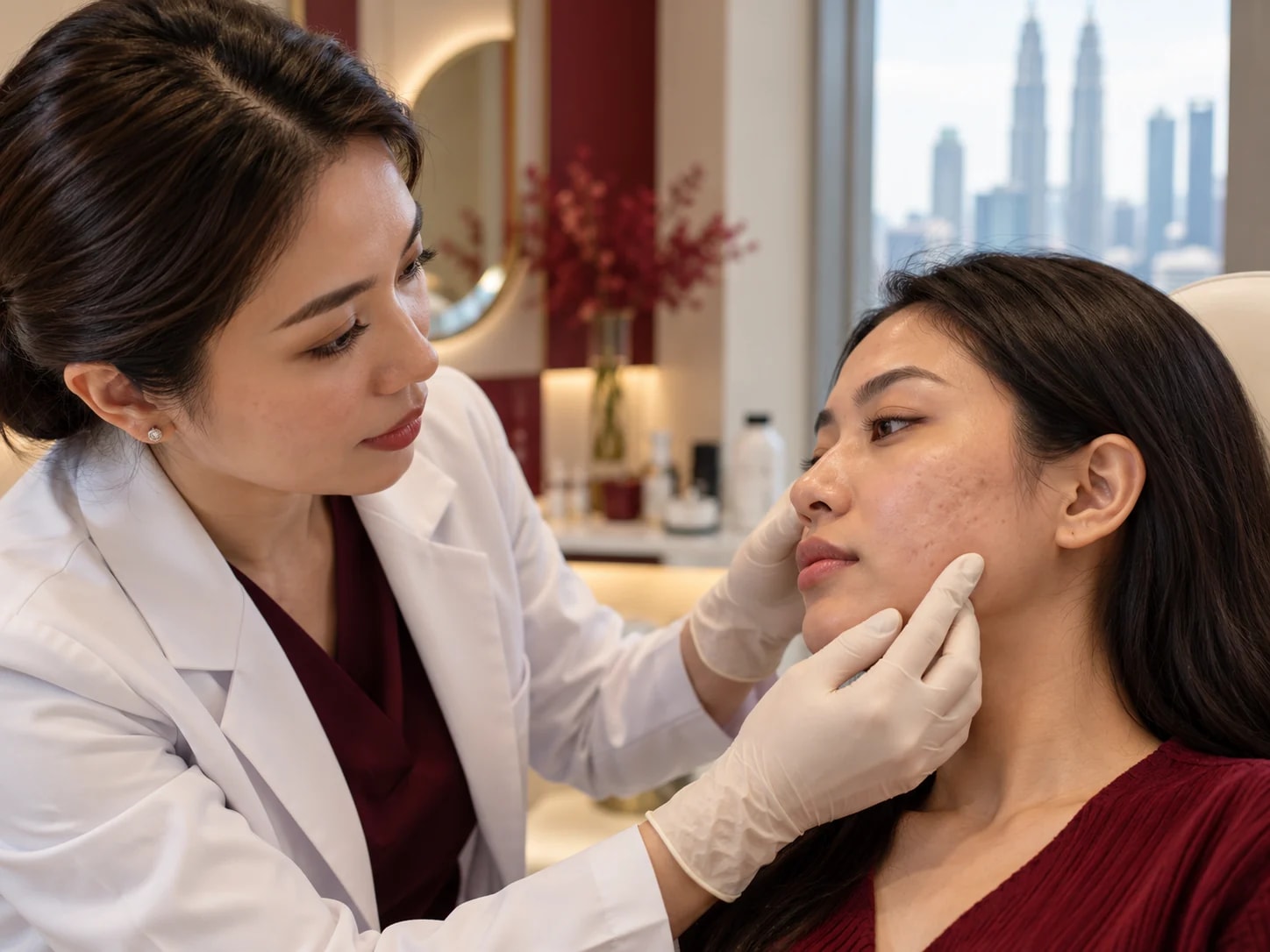
At Nexus Clinic, acne scar assessment starts with identifying scar type and whether acne itself is still active, rather than defaulting every scarring concern into the same protocol. A few specifics:
Not typically on its own, particularly for deeper or ice pick scarring. Plinest improves skin texture and supports tissue repair, and works best for rolling scars and general textural roughness, often as part of a broader treatment plan for more complex scarring.
Most protocols start with 3 to 4 sessions, though acne scar cases sometimes extend beyond the initial course depending on severity and response.
Neither is universally better. They work through different mechanisms and are often combined rather than compared as competing options, particularly for moderate scarring.
This depends on individual assessment. Active acne generally needs to be addressed alongside or before a Plinest protocol for scarring, since treating scarring while new scars are forming reduces overall value.
Plinest primarily targets tissue quality and texture rather than pigmentation. For scars with a strong colour component, combining it with a pigmentation-focused treatment usually gives a more complete result.
Visible improvement generally builds over 2 to 8 weeks, with more meaningful change apparent as the full course of sessions progresses.
Acne scars respond differently depending on their type and depth, which is exactly why a proper assessment matters more here than with most other skin concerns. A doctor can tell you honestly whether Plinest alone will help or whether a combination plan makes more sense. Book a free consultation at Nexus Clinic KL, or message us on WhatsApp to find out what approach fits your specific acne scarring.
Real Google reviews from our facial aesthetics patients.
Guides and answers from our doctors on this treatment.