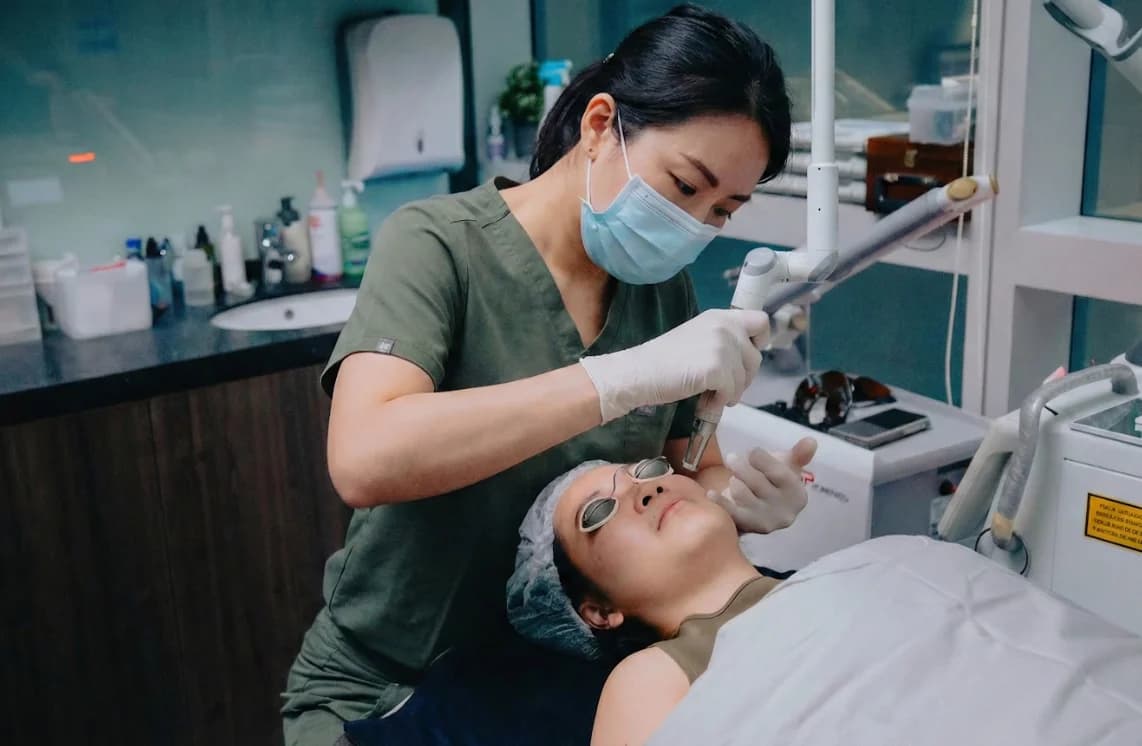
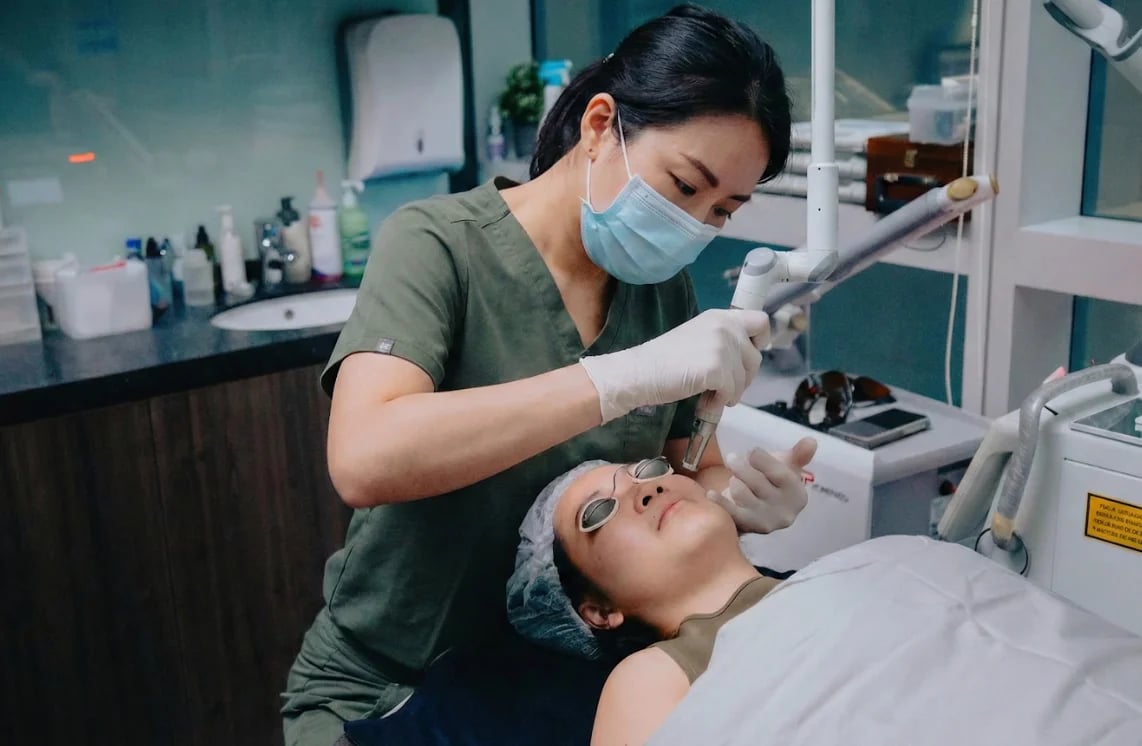
Brown patches that fade then return, darken with heat and resist every cream. Nexus Clinic KL identifies your exact melasma subtype and builds a structured programme using Sylfirm X, Pico Laser and oral tranexamic acid.
Melasma in Malaysia is driven by a combination of UV exposure, hormonal activity, vascular inflammation and a damaged skin basement membrane. Treating only the melanin on the surface while these four factors remain active is the reason so many patients experience treatment-resistant and recurrent melasma.
Subtype Assessment
Wood's Lamp • Trigger Mapping • Phased Programme
Nexus Clinic Kuala Lumpur — Excellence in Medical Aesthetics
Established
2001
Over 20 years of excellence
Location
Wisma UOA II, Jalan Pinang
KLCC, 50450 Kuala Lumpur
Opening Hours
Monday - Saturday
9:00am – 6:00pm | Closed Sundays & PH
MOH Registered & Compliant
All devices and products MOH-approved
Licensed Aesthetic Doctors
15+ years combined experience
Subtype-Specific Protocols
No one-size-fits-all approach
Everything you need to know
Treatments Available
Sylfirm X RF, Pico Laser, Dual Yellow Laser, Chemical Peel, Oral Tranexamic Acid, Prescription Topicals, Skin Booster
Session Time
30 to 60 minutes depending on modality
Downtime
Minimal; 24 to 48 hours mild redness for Sylfirm X and Pico Laser
First Results
Mild brightening visible from session 2 to 3; meaningful patch lightening over 2 to 4 months
Sessions Required
4 to 8 sessions for initial clearance; ongoing maintenance every 2 to 3 months
Anaesthesia
Topical numbing cream available on request; most sessions comfortable without
Suitable For
All melasma subtypes; Fitzpatrick types III to V; men and women; hormonal and UV-triggered cases
Melasma is a type of pigmentation that appears as brown or grey-brown patches, usually on the face. It is common, especially in women, and often linked with hormones and sun exposure.
Melasma is not dangerous to your health. But it can feel heavy emotionally, and it's completely valid to want treatment.

Malaysia has year-round strong UV levels and a hot, humid climate. Melasma is triggered not only by sunlight, but also by heat and inflammation for many people.
and tanning habits
(sometimes called 'mask of pregnancy')
or hormone shifts
or 'whitening' products that irritate your skin barrier
(after acne, waxing, or aggressive facials)
common in KL climate
Used at every initial consultation at Nexus Clinic KL
| Melasma Subtype | Primary Triggers | Skin Layer | Visual Appearance | Recommended Treatment |
|---|---|---|---|---|
| Epidermal Melasma | UV exposure, mild hormonal changes | Epidermis (surface) | Brown, clearly defined patches; darkens under Wood's lamp | Pico Laser + Prescription Topicals + SPF50 |
| Dermal Melasma | Genetic predisposition, chronic UV exposure, aging | Dermis (deep) | Blue-grey tone, diffuse borders; minimal change under Wood's lamp | Sylfirm X (Pulsed Wave RF) + Oral Tranexamic Acid; longer timeline |
| Mixed Melasma | UV plus hormones (pregnancy, OCP, HRT) | Both epidermal and dermal | Brown and grey zones within the same patch | Sylfirm X + Pico Laser combination + Oral Tranexamic Acid |
| Vascular Melasma | Abnormal blood vessels, heat, inflammation | Dermal vascular layer | Reddish-brown patches that flush or darken with heat | Sylfirm X (Pulsed Wave RF to target vessels) + Dual Yellow Laser |
| Rebound Melasma (Post-Laser) | Over-aggressive laser, inadequate SPF post-treatment, inflammation | Variable | Rapid darkening within 2 to 4 weeks after treatment | Skin barrier repair first; then gentle Sylfirm X + Oral TXA |
Melasma Subtype
Epidermal Melasma
Primary Triggers
UV exposure, mild hormonal changes
Skin Layer
Epidermis (surface)
Visual Appearance
Brown, clearly defined patches; darkens under Wood's lamp
Recommended Treatment
Pico Laser + Prescription Topicals + SPF50
Melasma Subtype
Dermal Melasma
Melasma Subtype
Mixed Melasma
Melasma Subtype
Vascular Melasma
Melasma Subtype
Rebound Melasma (Post-Laser)
Mixed melasma, the most prevalent subtype in Malaysian patients, involves both epidermal and dermal pigment and requires at least two modalities to address both layers simultaneously. Vascular melasma requires treating the vascular component through Sylfirm X or Dual Yellow Laser.
And how Nexus Clinic KL prevents this
Lasers that deliver significant heat to the dermis can activate heat-sensitive melanocytes. Adding thermal energy to an already-inflamed vascular bed causes an acute inflammatory response that triggers melanin overproduction.
In Fitzpatrick III to V skin types, any inflammatory event can cause melanocytes to produce excess protective melanin as a healing response, resulting in darker, more difficult to treat pigmentation.
The Nexus Clinic KL protocol uses low-fluence, non-ablative Pico Laser settings, Sylfirm X in Pulsed Wave mode, and oral tranexamic acid initiated before the first laser session to suppress melanocyte signalling at the cellular level.
Dual-wave RF technology in Pulsed Wave mode selectively coagulates abnormal dermal blood vessels feeding melasma activity without overheating the melanin-rich epidermis. Continuous Wave RF remodels collagen and repairs the damaged basement membrane. Addresses vascular and structural components simultaneously.
Addresses epidermal and superficial dermal melanin deposits through photoacoustic fragmentation. Ultra-short pulses shatter pigment clusters into particles small enough for the body's lymphatic system to clear naturally. Used at conservative, low-fluence settings calibrated to Malaysian skin phototypes.
Combines 577nm yellow and 511nm green wavelengths absorbed by melanin and oxyhaemoglobin. Targets oxyhaemoglobin in abnormal vessels with minimal heat transfer to the epidermis. Frequently used as a maintenance modality between Sylfirm X sessions.
Prescription medication that blocks the plasmin-mediated pathway through which UV, hormonal and inflammatory signals activate tyrosinase. Suppresses melanin production at the cellular level. Prescribed as first step in virtually every melasma treatment programme.
Formulations containing azelaic acid, kojic acid, niacinamide, tranexamic acid serum and vitamin C derivatives suppress pigment production between clinical sessions. Prescribed based on skin type, melasma subtype and sensitivity.
PDRN molecules suppress pro-inflammatory cytokines, accelerate basement membrane repair and improve dermal structural integrity. Reduces likelihood of post-treatment reactivation. Particularly beneficial for previously worsened melasma cases.
At Nexus Clinic KL
| Phase | Timeline | Treatments | Goal |
|---|---|---|---|
| 1: Diagnosis and Baseline | Month 1 (Consultation) | Wood's lamp assessment, subtype mapping, oral tranexamic acid prescribed, SPF protocol established | Confirm subtype and depth; suppress melanocyte activation systemically before first energy session |
| 2: Active Clearance | Months 2 to 5 | Sylfirm X sessions (3 to 4 sessions) combined with conservative pigment laser for epidermal component; ongoing oral TXA and topical creams | Reduce existing melanin deposits; suppress vascular trigger; begin basement membrane repair |
| 3: Consolidation | Months 5 to 7 | Skin booster session (Rejuran or polynucleotide); prescription brightening topicals; monthly Dual Yellow Laser maintenance | Strengthen skin barrier, reduce inflammatory response, maintain lightening achieved during active clearance |
| 4: Maintenance | Months 8 to 12 and beyond | Quarterly Sylfirm X or Pico Laser top-up; continued oral TXA if hormonal trigger present; daily SPF50 non-negotiable | Prevent reactivation; manage seasonal flare-ups; sustain improvement achieved in active phase |
Phase
1: Diagnosis and Baseline
Timeline
Month 1 (Consultation)
Treatments
Wood's lamp assessment, subtype mapping, oral tranexamic acid prescribed, SPF protocol established
Goal
Confirm subtype and depth; suppress melanocyte activation systemically before first energy session
Phase
2: Active Clearance
Phase
3: Consolidation
Phase
4: Maintenance
Stopping treatment at the end of Phase 2 when patches have visibly lightened is the single most predictable path to relapse. The consolidation and maintenance phases are the clinical mechanism by which improvement is stabilised and protected.
Approximately 10 percent of melasma cases worldwide occur in men, and in Malaysia's high-UV environment this proportion is clinically significant, particularly among men who work outdoors.
Male melasma shares the same clinical characteristics but has a different trigger profile: cumulative UV exposure, genetic predisposition, heat stress, and in some cases thyroid disorders or testosterone-related hormonal changes.
At Nexus Clinic KL, male melasma is assessed and treated using the same subtype-driven protocol as female melasma. Melasma in men is manageable.
Male patients often find that their melasma has been previously dismissed as general tanning or sun damage. A proper clinical assessment identifies the condition and builds a targeted management plan.
Step by Step
Doctor examines melasma patches under standard and Wood's lamp lighting to determine subtype, depth and distribution. Medical history, hormonal status, sun exposure habits reviewed.
Doctor confirms melasma subtype, explains treatment sequence, prescribes oral tranexamic acid. Structured daily routine covering cleanser, topical brightener and SPF50 established.
Sylfirm X sessions take 30 to 40 minutes. Pico Laser sessions take 20 to 30 minutes. Sessions spaced 3 to 4 weeks apart to allow pigment clearance without inflammatory response.
Doctor assesses skin response, adjusts energy parameters, oral TXA dose and topical prescription based on observed improvement. Progress documented with standardised photography.
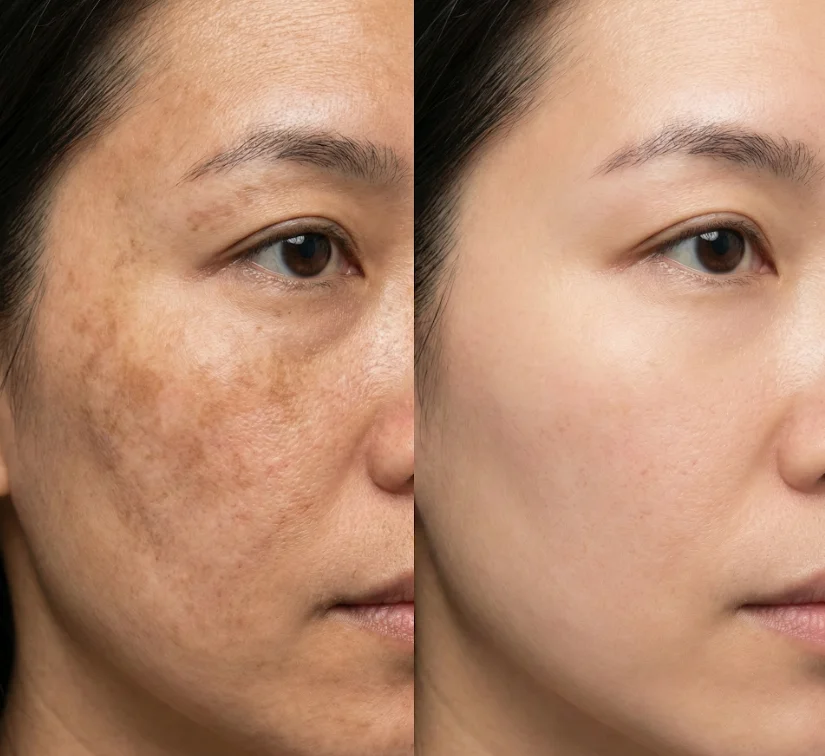
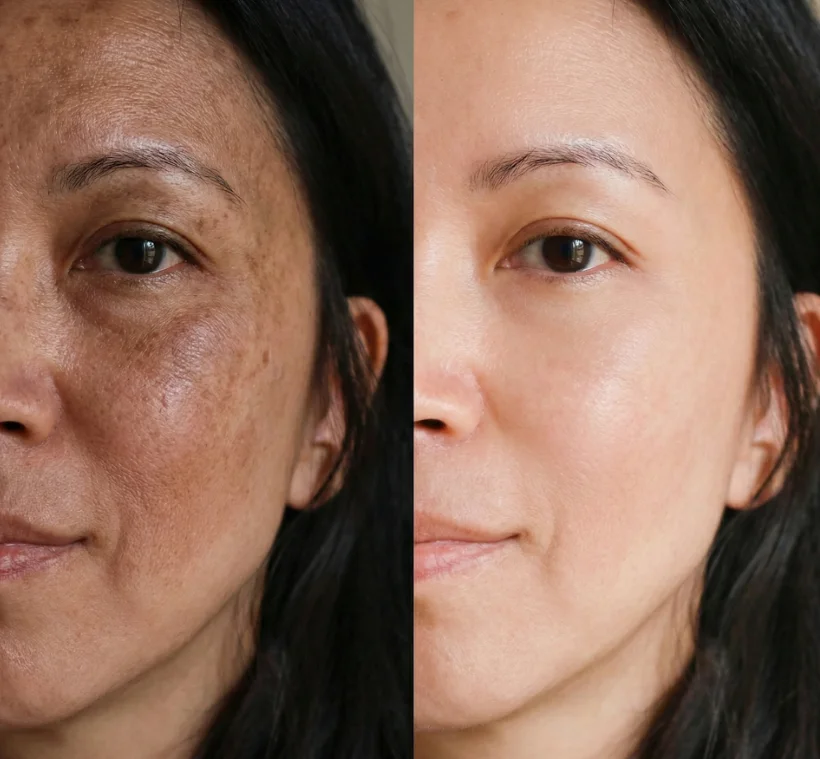
Slide to see the incredible transformations achieved by our clients
Drag to compare
Drag to compare
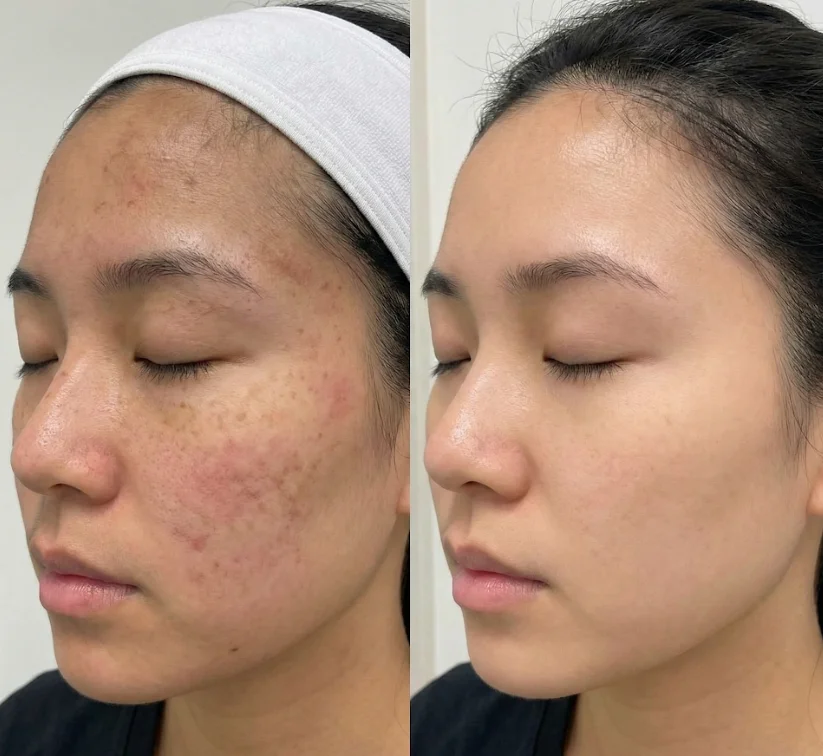
Drag to compare
Results may vary. Individual results depend on various factors.
Start Your TransformationTransparent pricing at Nexus Clinic KL
| Treatment | Best For | Sessions | Price Range (RM) 2026 |
|---|---|---|---|
| Sylfirm X RF Microneedling (Full Face) | Vascular, dermal and mixed melasma; recurrent melasma | 3 to 6 | RM 1,000 – RM 1,800 / session |
| Pico Laser (Full Face) | Epidermal and mixed melasma; surface pigment clearance | 4 to 8 | RM 700 – RM 1,300 / session |
| Dual Yellow Laser | Vascular component of melasma; maintenance sessions | 4 to 6 | RM 800 – RM 1,400 / session |
| Oral Tranexamic Acid Programme | All melasma types; hormonal trigger suppression | Ongoing (monthly review) | From RM 150 / month |
| Medical-Grade Chemical Peel | Epidermal melasma; surface exfoliation and cell turnover | 3 to 5 | RM 300 – RM 600 / session |
| Skin Booster (Rejuran / Polynucleotide) | Post-laser skin barrier repair; anti-inflammatory support | 2 to 3 | RM 900 – RM 1,500 / session |
| Combination Melasma Programme | Mixed, dermal or rebound melasma (2 or more modalities) | 5 to 8 total | From RM 3,800 (package pricing available) |
Treatment
Sylfirm X RF Microneedling (Full Face)
Treatment
Pico Laser (Full Face)
Treatment
Dual Yellow Laser
Treatment
Oral Tranexamic Acid Programme
Treatment
Medical-Grade Chemical Peel
Treatment
Skin Booster (Rejuran / Polynucleotide)
Treatment
Combination Melasma Programme
Combination melasma programmes deliver the most durable outcomes. Package pricing available for committed multi-session programmes.
Melasma cannot be permanently eliminated in the way that a sunspot or freckle can be cleared with laser. It is a chronic, relapsing condition driven by ongoing triggers including UV, hormones and heat. The clinically accurate way to describe successful melasma management is sustained suppression. With the right combination programme and consistent maintenance, patches can be kept visibly clear for extended periods.
Melasma recurrence after treatment almost always traces back to one of four factors: insufficient UV protection, ongoing hormonal activity, heat exposure activating the vascular component, or stopping the maintenance programme too soon. At Nexus Clinic KL, our structured programme addresses all four factors explicitly.
For most Malaysian melasma patients, neither technology alone is the complete answer. Sylfirm X is superior for addressing the vascular and dermal components. Pico Laser is more effective at fragmenting visible epidermal melanin deposits. The majority of patients achieve the best outcomes from both technologies used in combination.
Most patients notice mild brightening from the second or third session onwards, typically at 6 to 8 weeks. More meaningful visible patch reduction becomes apparent between months 3 and 5. Full programme results are assessed at the end of the active clearance phase at approximately 5 to 6 months.
Most energy-based melasma treatments are not recommended during pregnancy or breastfeeding as a precaution. Pregnant patients are advised to focus on daily SPF50 protection and gentle, pregnancy-safe brightening topicals, and to begin a full clinical programme after delivery and the completion of breastfeeding.
Melasma appears as symmetrical, diffuse brown or grey patches typically across the cheeks, forehead, upper lip and nose bridge, driven by hormones, UV and vascular inflammation. PIH appears as spot-like dark marks in specific locations where previous acne lesions or injuries occurred, driven purely by inflammation.
Yes. Melasma in men is a genuine and treatable clinical condition that is underrecognised in Malaysia. Male melasma typically presents in men with outdoor occupational UV exposure, genetic predisposition or thyroid-related hormonal changes. The treatment protocol follows the same subtype-driven approach.
Oral tranexamic acid at the doses prescribed for melasma management is generally very well-tolerated. The most commonly reported side effects are mild gastrointestinal symptoms in a minority of patients, which usually resolve within the first week. All patients are assessed for contraindications and reviewed monthly.
Most patients with moderate melasma require 4 to 6 Sylfirm X sessions during the active clearance phase, spaced 3 to 4 weeks apart. Patients with severe or long-standing dermal melasma may require 6 to 8 sessions. Maintenance sessions are recommended every 2 to 3 months.
Yes. Your initial melasma consultation at Nexus Clinic KL is complimentary and includes Wood's lamp examination, melasma subtype and depth assessment, full programme planning with treatment sequence, complete pricing transparency, and prescription initiation if oral tranexamic acid is indicated.
Melasma is one of the most challenging skin conditions to manage in Malaysia's climate. But it is manageable. The right subtype diagnosis, the right combination of modalities, a structured annual programme and consistent photoprotection produce results that last.
Limited slots available this week | Located at Wisma UOA II, Jalan Pinang, KLCC — Serving Malaysia since 2001