01
Medical consultation
You’ll meet with a doctor to go through your health history, current medications, and weight management goals.

Saxenda is an injectable medication that consists of liraglutide and helps lose weight among both adults and certain teenagers who are eligible for it clinically.
Here at Nexus Clinic, we prescribe Saxenda only after proper consultation with a doctor in which every patient undergoes evaluation before prescribing the drug.

Prescription-Only Medicine
Daily dosing, titrated by your doctor
Prescription-only
Doctor assessment first
Once daily
Same time each day
0.6 mg to 3.0 mg
Titrated over 4–5 weeks
KLCC, Kuala Lumpur
Licensed doctors
Unlike weekly injections such as Ozempic, Saxenda is a once-daily injection, and the dose is increased gradually over several weeks rather than jumping straight to a maintenance dose. This step-up approach, known as titration, gives the body time to adjust and helps reduce the intensity of early side effects.
The typical dose escalation schedule looks like this:

However, not all patients will get or require the full 3.0 mg dosage. At Nexus Clinic, your physician will check how well you are responding through every step and may decide to go at a slower pace, pause for a while, or alter the schedule depending on toleration levels and your specific health conditions. Titration speed is a medical issue, not one that the patients are supposed to adjust by themselves based on how fast they wish to see results.
Being an injection administered daily, Saxenda is better adopted to become a regular routine, preferably at the same time every day.
Pricing below reflects current Nexus Clinic indicative pricing. Prices can change based on dosage requirements, supply, and are confirmed at consultation.
| Item | Price |
|---|---|
| Saxenda per pen cost | RM 600 |
| Consultation fee | Confirmed at Appointment |
| Follow-up reviews | Confirmed as part of your treatment plan |
Item
Saxenda per pen cost
Item
Consultation fee
Item
Follow-up reviews
Your actual monthly cost depends on your prescribed dose, how many pens are needed at that dose, and any required follow-up reviews or blood tests along the way. Since Saxenda is dosed daily and titrated upward, the number of pens used per month can change as you move through the escalation schedule, so your doctor will walk you through what to expect financially at each stage.

| Detail | Information |
|---|---|
| Brand | Saxenda |
| Active ingredient | Liraglutide |
| Manufacturer | Novo Nordisk |
| Injection type | Subcutaneous (under the skin) |
| Administration | Self-injected using a pre-filled pen, or administered in-clinic |
| Frequency | Once daily, any time of day, with or without food |
| Dosing range | 0.6 mg to 3.0 mg, increased gradually over 4–5 weeks |
| Prescription requirement | Prescription-only; not available without doctor assessment |
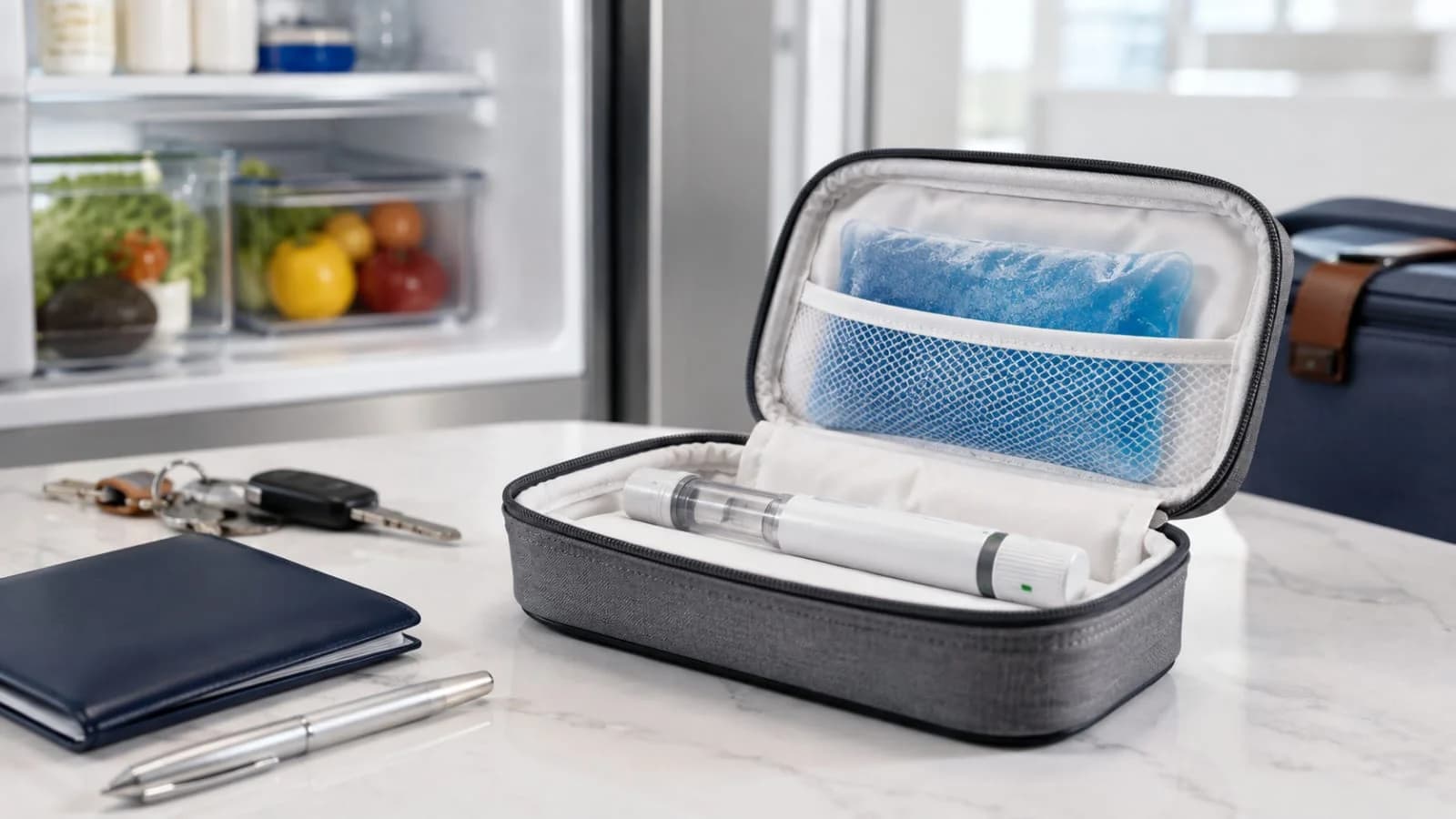
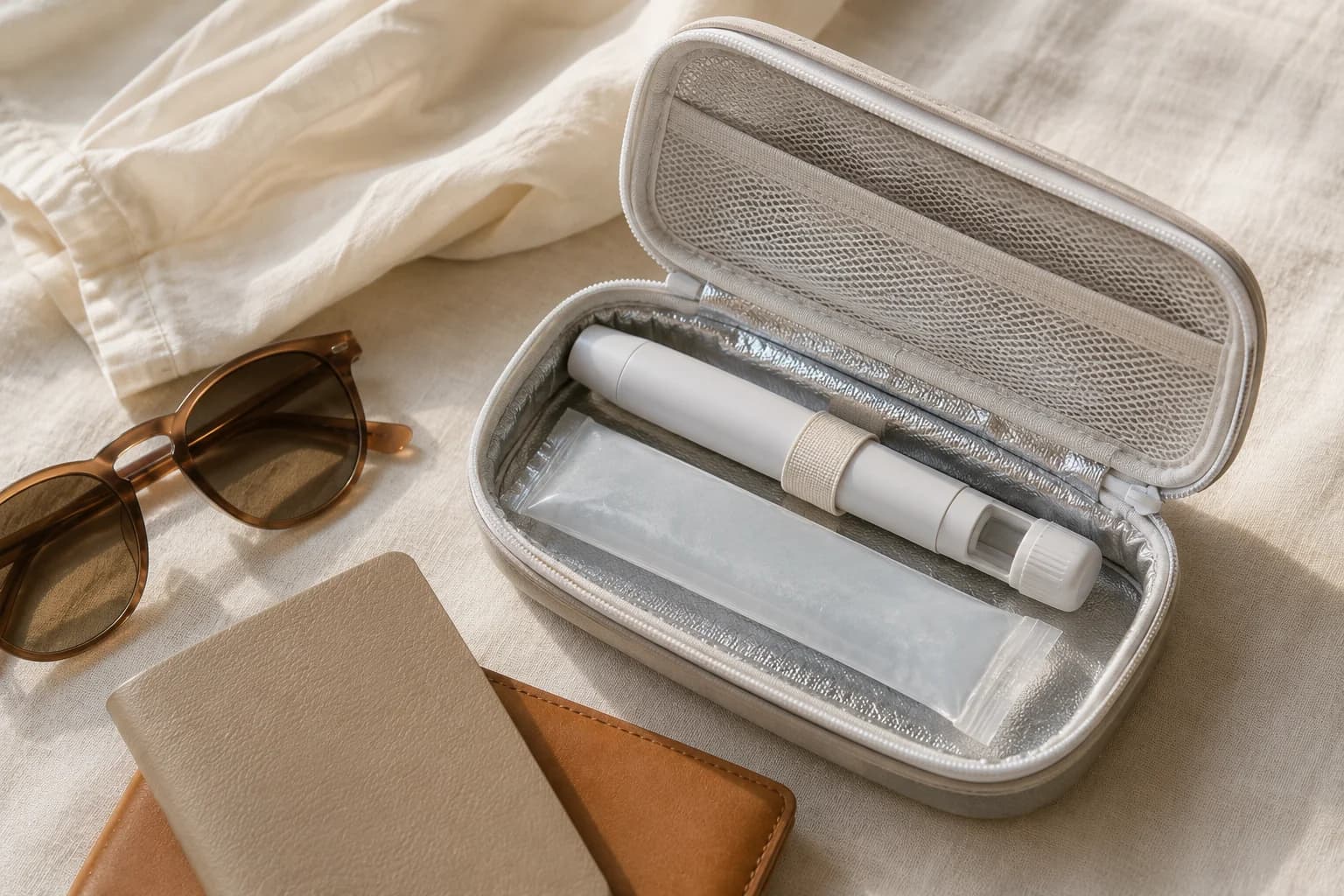
| Storage | Refrigerated (2–8°C) before first use; can be kept at room temperature for a limited period once in use |
| Pen information | Each pen delivers multiple doses depending on the prescribed strength; your doctor will confirm how long each pen lasts at your dose |
Detail
Brand
Detail
Active ingredient
Detail
Manufacturer
Detail
Injection type
Detail
Administration
Detail
Frequency
Detail
Prescription requirement
Detail
Storage
Detail
Pen information
Getting Saxenda at Nexus Clinic follows a straightforward, doctor-led process:

01
You’ll meet with a doctor to go through your health history, current medications, and weight management goals.
02
Your doctor checks your BMI and overall health profile to see whether Saxenda is appropriate, and whether any conditions need to be considered first.
03
If suitable, your doctor confirms the starting dose (usually 0.6 mg) and explains the titration schedule.
04
A prescription is only issued if you’re assessed as medically suitable.
05
Saxenda is dispensed following consultation, and you’ll be shown how to use the pen correctly, including injection sites and technique.
06
Your doctor reviews your progress, tolerability, and dose at scheduled check-ins, adjusting the plan as needed.
This means Saxenda isn’t something you can walk in and purchase without assessment, it’s tied to an ongoing medical relationship with your prescribing doctor, the same as any other weight management injection at Nexus Clinic.
Suitability can only be confirmed after a medical consultation, and eligibility cannot be guaranteed in advance.
Saxenda’s active ingredient, liraglutide, is a GLP-1 (glucagon-like peptide-1) receptor agonist. In simple terms, it copies a hormone your gut already produces naturally after eating, one that signals fullness to your brain and slows down digestion.
The main effects of Saxenda include:
Liraglutide acts on appetite centres in the brain, helping you feel less hungry between meals.
You tend to feel fuller after eating smaller portions, which naturally reduces overall calorie intake.
Food stays in the stomach longer, extending the feeling of fullness after a meal.
Because it’s a daily injection with a steady effect, results tend to build up progressively rather than happening all at once.
Unlike Mounjaro, which acts on both the GIP and GLP-1 pathways, Saxenda works on the GLP-1 pathway alone, similar in mechanism class to semaglutide-based medicines like Ozempic, though liraglutide is a different molecule dosed daily rather than weekly.
Patients researching Saxenda often ask how it compares to once-weekly options like Ozempic or Mounjaro. Here’s a general comparison:
| Factor | Saxenda (Liraglutide) | Weekly GLP-1 injections (e.g. Ozempic) |
|---|---|---|
| Injection frequency | Once daily | Once weekly |
| Mechanism | GLP-1 receptor agonist | GLP-1 receptor agonist (or dual GLP-1/GIP for Mounjaro) |
| Dosing approach | Gradual daily titration over 4–5 weeks | Gradual titration over several weeks to months |
| Approved use | Weight management (adults and select adolescents) | Type 2 diabetes; weight management where appropriate |
| Routine fit | Suits those comfortable with daily habit-building | Suits those who prefer fewer weekly injections |
Factor
Injection frequency
Factor
Mechanism
Factor
Dosing approach
Factor
Approved use
Factor
Routine fit
A few points worth keeping in mind:
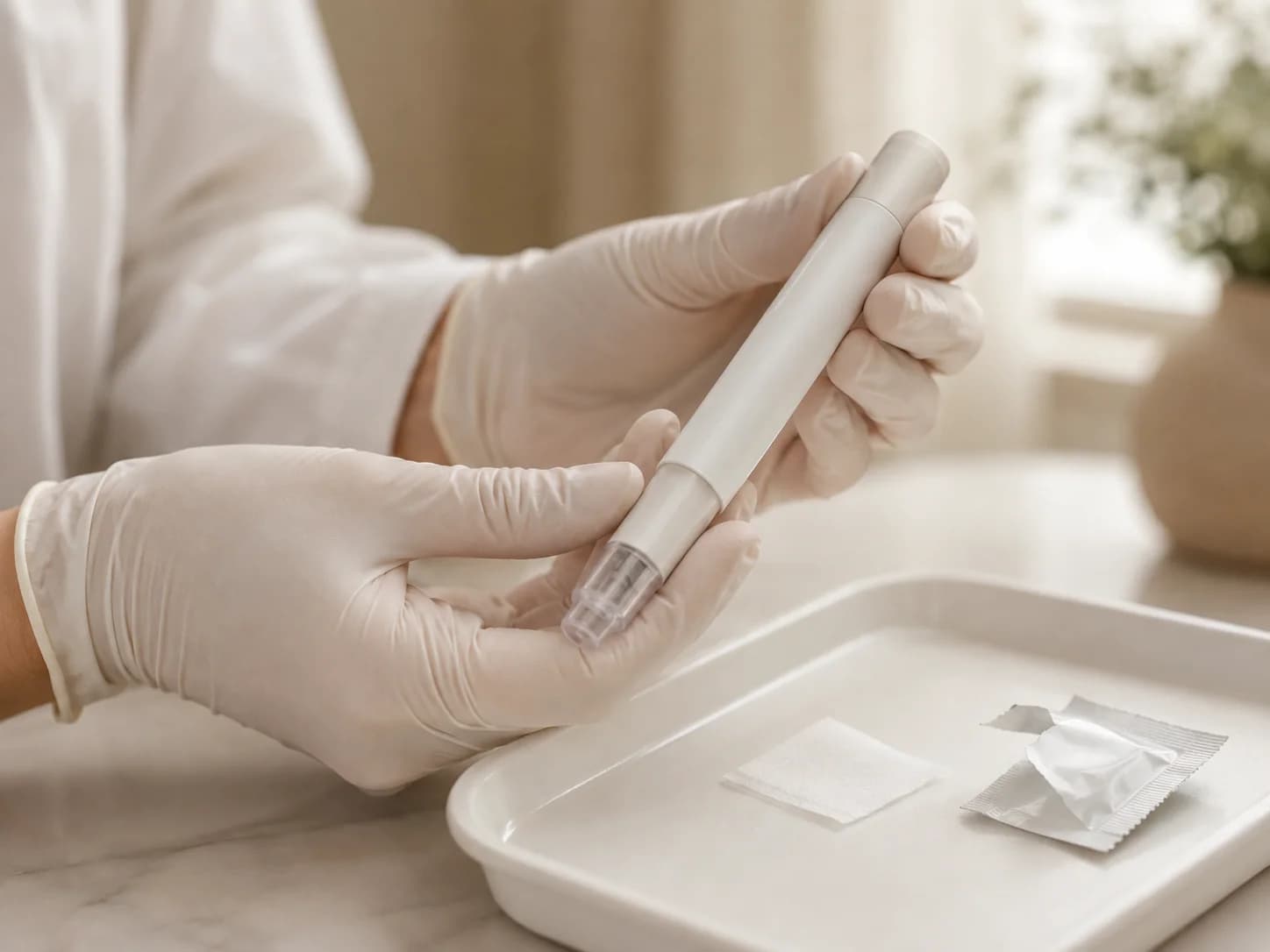
Your first Saxenda injection is a key milestone, and your doctor or nurse at Nexus Clinic will guide you through the full process before you’re expected to do it independently.
Saxenda is typically injected into the abdomen, thigh, or upper arm. Rotating the injection site regularly helps reduce irritation and skin reactions over time.
Check that the pen looks normal, the liquid should be clear and colourless. Do not use it if it appears cloudy, discoloured, or contains particles. Make sure the pen has been stored correctly.
Your healthcare provider will demonstrate how to use the pen, set the correct dose, and talk you through what to do if you miss a dose or experience discomfort with the device.
Mild redness, swelling, or itching at the injection site is common and usually settles on its own. Let your doctor know if any reaction is severe, spreads, or doesn’t improve.
Note: Always follow the exact directions from your prescribing doctor and the official patient information leaflet for Saxenda.
Like any medication, Saxenda can cause side effects. The most commonly reported ones are gastrointestinal and tend to appear early in treatment or after a dose increase:
However, these reactions tend to be temporary and usually diminish as your body becomes accustomed to each dosage increment. Your doctor can help you prepare for what to expect during each titration period and help you address any minor reactions. Be sure to inform your medical practitioners about your Saxenda use prior to undergoing any surgery under sedation.
Because Saxenda is titrated gradually, many patients notice a fairly consistent early pattern as the dose increases:
| Stage | What may be noticed |
|---|---|
| Week 1–2 (0.6mg–1.2mg) | Body adjusting; mild nausea or digestive changes possible |
| Week 3–4 (1.8mg–2.4mg) | Appetite reduction often becomes more noticeable; earlier symptoms may resurface temporarily |
| Week 5 onwards (3.0mg) | Many patients settle into a more consistent routine and response at maintenance dose |
Stage
Week 1–2 (0.6mg–1.2mg)
Stage
Week 3–4 (1.8mg–2.4mg)
Stage
Week 5 onwards (3.0mg)
This is general information, not a guarantee. Some patients need extra time at a lower dose before stepping up, and that’s a normal part of doctor-guided titration, not a sign that treatment isn’t working.
Coming prepared for your consultation helps your doctor build a more accurate assessment. Before your treatment, think through the following:
| Time since missed dose | General guidance |
|---|---|
| Within 12 hours of your usual time | Often still administered as soon as remembered |
| More than 12 hours late | The missed dose is generally skipped, and the next dose is taken at the usual scheduled time |
Time since missed dose
Within 12 hours of your usual time
Time since missed dose
More than 12 hours late
The above information is general in nature and your action should be based on your particular dosage level and titration stage. It is always important to inform your doctor at Nexus Clinic about any missed dose instead of making such an independent decision, considering the fact that Saxenda requires daily administration.
As with other GLP-1 medications, weight loss on Saxenda can include a reduction in both fat and lean muscle mass, so muscle preservation is worth paying attention to throughout treatment.
Steps that may help:
Your doctor or a dietitian can help build a more specific muscle preservation plan suited to your individual routine.

Alcohol isn’t strictly off-limits while using Saxenda, but a few things are worth keeping in mind:
Blood sugar fluctuations
This matters particularly for those also managing diabetes, since alcohol combined with GLP-1 medication can affect blood sugar stability.
Digestive side effects
Since Saxenda already slows gastric emptying, alcohol may worsen nausea, bloating, or stomach discomfort.
Dehydration risk
Especially relevant for those experiencing reduced appetite or occasional vomiting during dose adjustments.
Moderation is generally advised, but your doctor can give guidance specific to your dose, health history, and how you’ve responded so far.
This is a common question, and a fair one to ask before starting. Liraglutide’s appetite-reducing effects are tied to active use, meaning appetite and eating patterns often begin returning toward baseline after stopping.
This is why treatment plans at Nexus Clinic typically include:
If you’re considering stopping treatment for any reason, whether planned or due to side effects, discuss this with your doctor first rather than stopping independently, so your plan can be adjusted appropriately.
Most side effects are manageable and discussed during follow-up appointments, but some symptoms need immediate medical attention rather than waiting for your next scheduled visit:
Should any of these occur, see a doctor immediately without waiting for your next appointment.
✓ Reviewed by Dr. Preetha Nair, Aesthetic Medical Doctor – Nexus Clinic KL
No pen is issued without a proper consultation.
In line with Malaysian regulatory requirements for liraglutide.
Your doctor oversees each dose step, not just the initial sign-up.
So you feel confident using the pen correctly from day one.
Scheduled check-ins to track response and tolerability.
Based in KLCC with licensed doctors.
Sourced through proper medical supply channels.
At Nexus Clinic, Saxenda is priced at RM 600 per pen, although the price varies based on the dose recommended by the doctors, number of pens required, and any consultation fee that may apply based on the assessment carried out.
No. Saxenda is a prescription medication, which means it can only be purchased after a thorough medical consultation with a doctor who will assess your BMI and suitability for Saxenda.
Saxenda is administered daily and has liraglutide as the active ingredient. Ozempic and Mounjaro are administered once weekly and have semaglutide and tirzepatide respectively as the active ingredients.
The dose typically starts at 0.6 mg daily and is increased every week or so, until you are put on the maximum dose of 3.0 mg daily.
Many people notice appetite changes within the first few weeks, but meaningful weight change is typically assessed around 12 weeks. Your doctor will review your progress and response at that stage.
Nausea, diarrhoea, constipation, headache, fatigue, and mild injection site reactions are the most commonly reported side effects, particularly during the early titration weeks as your body adjusts.
Saxenda isn’t suitable for those with a personal or family history of certain thyroid cancers, pregnant or breastfeeding women, and people with certain pre-existing conditions. A consultation confirms individual suitability.
Saxenda may be considered for adolescents aged 12 and above with obesity and body weight above 60 kg, but this requires careful medical assessment and is decided on a case-by-case basis by a doctor.
If it’s within about 12 hours of your usual time, the dose is often still taken. If more time has passed, it’s generally skipped, and you resume at your next scheduled time. Always confirm with your doctor.
Saxenda works best alongside a balanced, protein-rich diet and regular activity. It isn’t a standalone solution, and your doctor or dietitian can help build a nutrition plan that supports your results and muscle health.

Book a consultation with Nexus Clinic KL to see if Saxenda suits your goals, with clear guidance on dosing, pricing, and what to expect.
Real Google reviews from patients who came to Nexus Clinic for medical weight loss.
Guides and answers from our doctors on this treatment.