
Pico Laser Side Effects Malaysia Real Risks and How They Are Managed
No aesthetic procedure comes with zero risk. Anyone who tells you otherwise is either uninformed or not being straight with you. The real question with pico laser is not whether side effects exist. It is which ones are expected and normal, which are manageable, and which are rare enough that most patients never experience them.
Pico laser has one of the best safety profiles of any laser treatment available in Malaysia, particularly for Fitzpatrick III to V skin. But that safety profile comes from correct settings, correct wavelength selection, and proper aftercare. This page explains what you should expect, what is normal, and what to flag to your doctor.
Important Clinical Note
Honest information from our LCP-certified aesthetic doctors. Side effects are predictable when settings are calibrated correctly for your skin type.
Lowest PIH Risk Laser
Photoacoustic • Minimal Thermal Spread
Pico Laser Safety at Nexus Clinic KL at a Glance
What's normal, what's manageable, what's rare
Treatment
All sessions performed by LCP-certified doctors on FDA-cleared Discovery PICO
Session Time
20 to 50 minutes per session depending on mode
Downtime
Side effects: hours to 7 days depending on mode
Sessions Required
Risk management at every session, not just the first
Pico laser is one of the safest laser modalities for Malaysian Fitzpatrick III to V skin. Its photoacoustic mechanism generates significantly less heat than Q-switch or IPL, which directly reduces PIH risk,the most relevant risk for darker skin tones.
Expected Side Effects After Pico Laser: Normal and Temporary
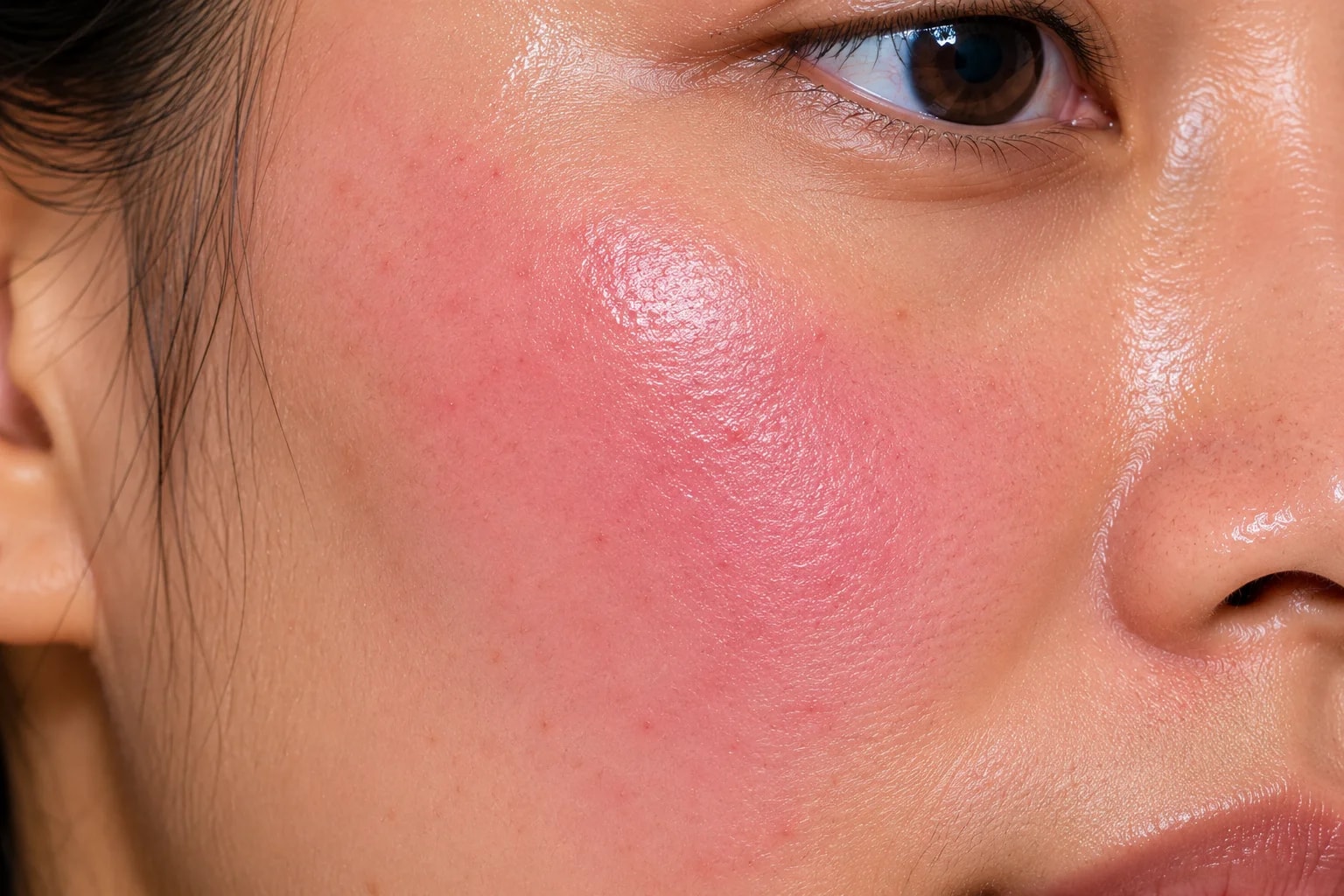
These side effects occur in most patients and are not a sign that anything has gone wrong. They are part of the skin's normal response to laser treatment and resolve on their own. Redness and warmth: immediately after a session, the treated area appears red and feels warm, a vascular response to the laser energy. After toning mode, redness fades within 2 to 4 hours. After Fractional LIOB, mild redness may persist for 24 to 48 hours.
Temporary darkening of pigmentation: after spot or toning mode sessions targeting pigmentation, the treated areas typically appear darker in the 3 to 7 days following treatment. This is fragmented melanin rising toward the skin surface before being cleared, a positive response, not a negative one. The darkening resolves naturally without any intervention.
Pinpoint marks after Fractional LIOB sessions used for acne scars and pore refinement: small red dots appear at each treatment micro-column site. These look like fine petechiae and fade within 1 to 3 days. Mild flaking over the treated sites in days 3 to 5 is normal. Mild swelling, particularly around the eyes and cheekbones, can appear within hours of a session and typically resolves within 24 to 48 hours.
PIH: The Most Important Risk for Malaysian Skin
Why pico's photoacoustic mechanism matters
Post-inflammatory hyperpigmentation, or PIH, is the side effect that matters most for Malaysian Fitzpatrick III to V skin. It occurs when the skin produces excess melanin in response to the inflammation caused by laser treatment. Instead of the pigmentation clearing, it gets darker and spreads beyond the original target area.
This risk is why the photoacoustic mechanism of pico laser matters so much. By generating significantly less heat than Q-switch or IPL treatments, pico laser dramatically reduces the thermal stimulation that triggers PIH. But PIH risk is never completely zero with any laser treatment on darker skin.
At Nexus Clinic KL, PIH risk is managed through conservative energy settings calibrated for each patient's Fitzpatrick type, correct wavelength selection for each skin concern, and spacing sessions appropriately. If you experience unusual darkening that does not resolve within three weeks of a session, or if the darkening is spreading rather than fading, contact the clinic. These responses can be managed effectively when addressed early.
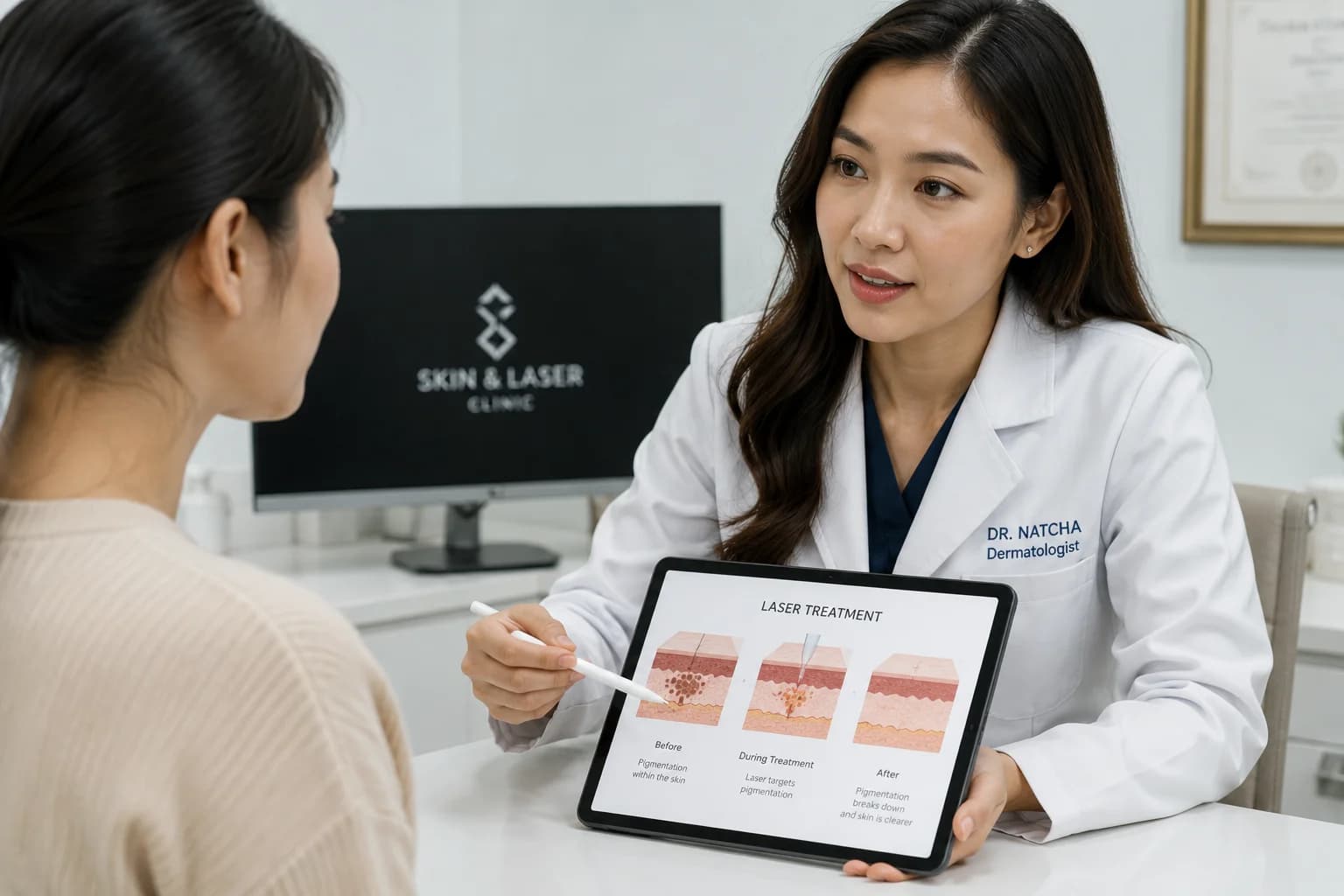
The full breakdown of how wavelength and delivery mode affect safety for different pigmentation types on Malaysian skin is covered in our pigmentation treatment overview.
Less Common Side Effects
Mild Breakout or Skin Purging
Some patients experience a small breakout in the days following a pico laser session. This is more common after Fractional LIOB mode sessions and is a purging response as the laser-triggered inflammatory cascade briefly activates sebaceous activity. It typically resolves within 1 to 2 weeks and is not a cause for concern.
Temporary Hypopigmentation
In rare cases, treated areas can become temporarily lighter than the surrounding skin after very high-fluence treatments. This is more common after aggressive spot mode settings. At the conservative settings used for Malaysian skin at Nexus Clinic KL, this is uncommon. It usually resolves within weeks to months as melanin production normalises.
Blistering
Blistering is rare with pico laser at appropriate settings. When it occurs, it is most common after tattoo removal sessions and aggressive spot mode treatment on darker skin. Do not puncture or pick blisters. They should be left to resolve naturally with appropriate wound care as directed by your doctor.
Textural Changes
Very rarely, inappropriate settings or inadequate recovery between sessions can cause temporary textural changes in the skin. This is addressed by adjusting settings and extending the interval between sessions.
Pico Laser Pricing at Nexus Clinic KL
Safety review included with every consultation
| Treatment / Option | Area | Unit / Duration | Normal Price RM | Selling Price RM | Promo Price RM | Package / Notes |
|---|---|---|---|---|---|---|
| Discovery PICO Rejuvenation | Face | Per session (1h 15m inc. numbing) | RM1,500 | RM1,200 | NIL | All sessions include doctor safety review |
| Discovery PICO Resurfacing | Face | Per session (1h 15m inc. numbing) | RM1,500 | RM1,200 | NIL | Fractional LIOB; calibrated settings per skin type |
| Free Consultation | Includes contraindication review and risk assessment | Single visit | RM0 | RM0 | NIL | Required before first session |
Treatment / Option
Discovery PICO Rejuvenation
Area
Face
Unit / Duration
Per session (1h 15m inc. numbing)
Normal Price RM
RM1,500
Selling Price RM
RM1,200
Promo Price RM
NIL
Package / Notes
All sessions include doctor safety review
Treatment / Option
Discovery PICO Resurfacing
Treatment / Option
Free Consultation
How Nexus Clinic KL Minimises Side Effect Risk
Common Expected Side Effects
- Per-session doctor assessment, not just the initial consultation
- LCP-certified doctors calibrate all settings personally
- FDA-cleared Discovery PICO device
- Written aftercare instructions provided at every session
Aftercare Instructions
- Tell your doctor about any history of keloid scarring, heat-triggered conditions or previous PIH
- Disclose all medications, especially photosensitising antibiotics or retinoids
- Isotretinoin within 6 months is a contraindication,postpone until clear
- Active skin infection, open wounds or severe inflammatory acne require resolution first
- Pregnancy and breastfeeding,laser treatment is postponed
Pico Laser vs Other Lasers. Safety Comparison
You are a good candidate if:
- Pico vs Fractional CO2: 1-3 days mild recovery vs 5-7 days significant healing; lower PIH risk
- Pico vs Q-switch: photoacoustic mechanism generates less heat; meaningfully lower PIH risk on Malaysian skin
- Pico vs IPL: targeted wavelengths vs broad-spectrum heat; lower PIH risk in Fitzpatrick III to V
- Pico sits at the safer end of the laser treatment spectrum for darker skin types
You may need to pause or adjust if:
- Pregnant or breastfeeding
- Isotretinoin within the past 6 months
- Active skin infections, open wounds or severe active acne in treatment area
- Autoimmune skin conditions (treatment may still be possible with adjustments)
Frequently Asked Questions
The most common side effects are temporary redness and warmth for a few hours after toning mode sessions, pinpoint marks for 1 to 3 days after Fractional LIOB sessions, and temporary darkening of treated pigmentation spots for 3 to 7 days after spot mode sessions. All are expected and resolve without intervention.
PIH can occur if settings are too aggressive for your skin type or if aftercare is inadequate, particularly around sun exposure. At Nexus Clinic KL, conservative settings calibrated for Malaysian Fitzpatrick III to V skin significantly reduce this risk. The photoacoustic mechanism of pico laser inherently generates less PIH risk than heat-based laser alternatives.
Redness from toning mode: 2 to 4 hours. Pinpoint marks from Fractional LIOB: 1 to 3 days. Spot darkening from spot mode: 3 to 7 days. Mild swelling: 24 to 48 hours. These are expected temporary responses. Unusual persistence beyond these timelines should be flagged to your doctor.
Yes, and this is where pico laser has a meaningful advantage over many laser alternatives. The photoacoustic mechanism reduces thermal stimulation to melanocytes, which is the key risk factor for PIH in darker skin. The 1064nm wavelength specifically reduces surface heat in Fitzpatrick IV to V patients. Pico laser is considered one of the safest laser modalities for Asian skin.
Scarring from pico laser performed at appropriate settings by a qualified doctor is very rare. The non-ablative mechanism does not create open wounds on the skin surface. Risk increases if blisters are picked, if treatment is performed over active infection, or if settings are too aggressive. At Nexus Clinic KL, LCP-certified doctors perform all treatments with calibrated settings to minimise this risk.
Temporary darkening of treated areas in the 3 to 7 days following spot mode or toning mode sessions is completely normal. Maintain SPF50 and avoid picking. If darkening has not resolved after three weeks, or if it appears to be spreading, contact Nexus Clinic KL for a review appointment.
Yes, but protocol adjustments are made. Sensitive skin typically requires even more conservative settings and longer recovery periods between sessions. Your doctor will test a small area if there is any uncertainty about your skin's response before proceeding with a full session.
Pico laser is one of the safest laser options for melasma specifically because of its low thermal output. Toning mode at conservative settings is used. The main risk with melasma and any laser is PIH if settings are too aggressive or if sun exposure is not controlled during treatment. Conservative settings, correct spacing, and strict SPF manage this risk effectively.
A mild purging response in the days after Fractional LIOB sessions is possible. It is a temporary response to the laser's inflammatory cascade briefly stimulating sebaceous activity. It typically resolves within 1 to 2 weeks and does not represent a treatment complication.
Signs that warrant contacting the clinic include: redness or swelling that is increasing rather than decreasing after day 2, any signs of infection including warmth, pus, or crusting beyond the normal shedding pattern, blistering that is spreading, unusual pain beyond mild sensitivity, or new darkening that appears to be spreading beyond the treated area after week 2.
Side Effects Are Predictable When Settings Are Right
Side effects from pico laser, when performed by qualified doctors with appropriate settings, are predictable and temporary. If you have specific concerns about your skin type and side effect risk, book a free consultation at Nexus Clinic KL for an honest assessment before committing to any sessions.
Limited slots available this week | Located at Wisma UOA II, Jalan Pinang, KLCC — Serving Malaysia since 2001