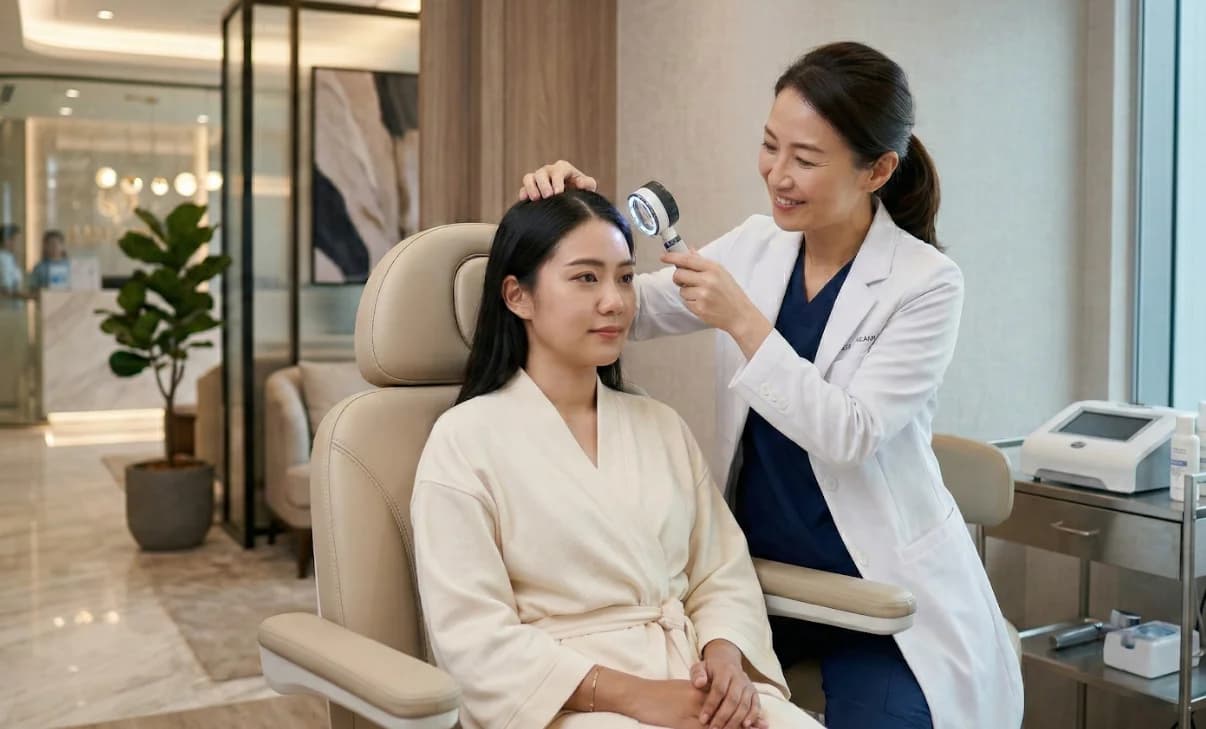
Hair loss is one of the most common concerns bringing Malaysian patients to a specialist clinic, yet it is also one of the most inconsistently managed.
The reason most hair loss treatment approaches fail is that they do not start with a correct diagnosis of which type of hair loss the patient has, what causes hair loss in that specific case, and what the evidence-based treatment options are for that particular cause.
PRP • Finasteride • Minoxidil
Doctor-performed treatments
Nexus Clinic Kuala Lumpur — Excellence in Aesthetic Medicine
Experience
Founded 2001
Over two decades of service
Location
Wisma UOA II, Jalan Pinang
KLCC, 50450 Kuala Lumpur
Credentials
MOH Licensed
Certified aesthetic doctors
Doctor-Performed
Qualified medical professionals
5,000+ Procedures
Extensive clinical experience
Personalised Care
Treatment matched to your hair loss type
What you need to know before your consultation
Yes. Many types can be slowed, improved, or managed, depending on the cause.
First-line options often include minoxidil and, for many men, finasteride under medical advice.
Most treatments need at least 3 to 6 months of consistency before visible change.
Options like PRP, laser, and transplant can help selected patients when matched to the right hair loss type.
Understanding your hair loss type is the first step to effective treatment
| Type of Hair Loss / Alopecia | Clinical Features | Causes | Treatment Approach |
|---|---|---|---|
| Androgenetic Alopecia (Pattern Hair Loss) | Most common type. Gradual thinning. In men: receding hairline and crown. In women: diffuse thinning over crown with preserved hairline. | Genetic sensitivity of hair follicles to DHT (dihydrotestosterone). Hormonal changes. | Finasteride (men), minoxidil, PRP growth factors injection, low-level laser therapy. |
| Alopecia Areata | Sudden patchy hair loss. Round or oval smooth bald patches. Can progress to total scalp or body hair loss. | Autoimmune condition. Immune system attacks hair follicles. Associated with other autoimmune conditions. | Intralesional corticosteroid injections, topical immunotherapy, minoxidil, PRP as regenerative option. |
| Telogen Effluvium | Diffuse hair thinning across scalp. Increased hair fall. No distinct bald patches. | Physiological stress (surgery, illness), hormonal changes (post-partum, thyroid), nutritional deficiency (iron, vitamin D, zinc), medications. | Identify and remove trigger. Self-limiting in most cases. Nutritional support. Minoxidil if prolonged. |
| Traction Alopecia | Thinning along hairline and temples. Redness and tenderness in early stages. | Repeated mechanical tension from tight hairstyles (braids, ponytails, extensions), chemical treatments. | Stop causative hairstyles. Early cases may regrow. Advanced cases with scarring require specialist intervention. |
| Scarring Alopecia | Permanent hair loss. Scalp shows visible scarring. Follicles replaced by scar tissue. | Inflammatory skin conditions, autoimmune cutaneous conditions, physical scalp trauma. | Scalp biopsy for diagnosis. Focus on halting progression. Natural regrowth not possible in scarred areas. |
| Secondary Hair Loss | Hair thinning from underlying medical condition. Often diffuse and reversible. | Thyroid dysfunction, iron deficiency anaemia, PCOS, nutritional deficiencies, medications. | Identify and treat underlying medical condition first. Hair typically regrows when primary cause corrected. |
Type of Hair Loss / Alopecia
Androgenetic Alopecia (Pattern Hair Loss)
Clinical Features
Most common type. Gradual thinning. In men: receding hairline and crown. In women: diffuse thinning over crown with preserved hairline.
Causes
Genetic sensitivity of hair follicles to DHT (dihydrotestosterone). Hormonal changes.
Treatment Approach
Finasteride (men), minoxidil, PRP growth factors injection, low-level laser therapy.
Type of Hair Loss / Alopecia
Alopecia Areata
Type of Hair Loss / Alopecia
Telogen Effluvium
Type of Hair Loss / Alopecia
Traction Alopecia
Type of Hair Loss / Alopecia
Scarring Alopecia
Type of Hair Loss / Alopecia
Secondary Hair Loss
Important: The secondary hair loss from medical conditions row in this table is the most practically important for Malaysian patients who have been using hair loss treatment products without improvement. Many Malaysian women experiencing significant hair fall have an underlying thyroid condition, iron deficiency or PCOS-related hormonal imbalance as the primary cause. At Nexus Clinic KL, a blood test panel to identify medical causes is included where clinically suspected.
PRP, Finasteride, Minoxidil and Laser Therapy for Hair Regrowth
| Treatment | How It Works | Best For | Evidence & Efficacy | Downtime |
|---|---|---|---|---|
| PRP (Platelet-Rich Plasma) Hair Treatment | Growth factors from platelet-rich plasma injected into scalp at follicle level. PDGF, VEGF, TGF-beta stimulate follicles and promote hair growth. | Men and women with androgenetic alopecia. Hair loss from multiple causes. Combination with finasteride and minoxidil. | Good to strong evidence. Multiple studies show improved hair density. Recognised by international dermatology societies. | No downtime. Mild scalp tenderness 24-48 hours. |
| Minoxidil (Topical Lotion, Foam or Tonic) | Applied directly to scalp. Increases blood flow to follicles. Extends anagen (growth) phase. Vasodilatory mechanism independent of DHT. | Androgenetic alopecia in males and females. First-line treatment. Hair density maintenance. | Very strong evidence. One of only two medications approved for androgenetic alopecia. Effective in majority with consistent use. | No downtime. Some experience scalp dryness or irritation. |
| Finasteride (Oral or Topical) | Blocks 5-alpha reductase enzyme. Reduces conversion of testosterone to DHT. Slows androgenic alopecia progression. | Men with androgenetic alopecia. Early signs of hair loss. Combination with minoxidil for advanced cases. | Strongest evidence of all oral options. 83-90% of men maintain or improve hair count at 2 years. Gold standard prescription medication. | No downtime. Medical assessment and prescription required. |
| Low-Level Laser Therapy (LLLT) | Red light (630-680nm) delivered to scalp. Photobiomodulation increases cellular energy (ATP) in follicle cells. Promotes hair growth. | Androgenetic alopecia in males and females. Mild to moderate loss. Complement to PRP and minoxidil. | Moderate to good evidence. FDA-cleared devices. Most effective when combined with other modalities. | No downtime. Sessions 20-30 minutes. Repeated sessions required. |
| Scalp Mesotherapy with Hyaluronic Acid | Customised cocktail of vitamins, minerals, hyaluronic acid delivered by microinjection. Concentrated nutrients to scalp. | Diffuse thinning from nutritional deficiency. Scalp health improvement. Combination with PRP for comprehensive regeneration. | Moderate evidence as standalone. Strong synergistic evidence when combined with PRP. | No downtime. Mild redness for 24 hours. |
Treatment
PRP (Platelet-Rich Plasma) Hair Treatment
How It Works
Growth factors from platelet-rich plasma injected into scalp at follicle level. PDGF, VEGF, TGF-beta stimulate follicles and promote hair growth.
Best For
Men and women with androgenetic alopecia. Hair loss from multiple causes. Combination with finasteride and minoxidil.
Evidence & Efficacy
Good to strong evidence. Multiple studies show improved hair density. Recognised by international dermatology societies.
Downtime
No downtime. Mild scalp tenderness 24-48 hours.
Treatment
Minoxidil (Topical Lotion, Foam or Tonic)
Treatment
Finasteride (Oral or Topical)
Treatment
Low-Level Laser Therapy (LLLT)
Treatment
Scalp Mesotherapy with Hyaluronic Acid
The combination of treatments consistently produces better results than any single treatment alone. PRP provides growth factors, minoxidil promotes blood flow, finasteride blocks DHT, laser therapy provides additional stimulation, and scalp mesotherapy optimises the scalp environment. At Nexus Clinic KL, your treatment programme is customised to your specific hair loss type, degree of hair loss, lifestyle and budget.
Hormonal, Nutritional, Autoimmune and Environmental Factors
| Cause of Hair Loss | How It Affects Hair Follicles | Who Is Affected in Malaysia | Approach at Nexus Clinic KL |
|---|---|---|---|
| DHT and Hormonal Changes | DHT binds to androgen receptors in genetically susceptible follicles, progressively miniaturising them. Hormonal changes at menopause, post-partum, or from thyroid/PCOS conditions cause hair loss through different mechanisms. | Majority of Malaysian men with progressive thinning. Perimenopausal and post-partum women. Women with PCOS. Those with undiagnosed thyroid conditions. | Hormonal assessment included in every initial evaluation. Thyroid function, testosterone, DHEA-S, oestrogen checked where indicated. Treat underlying hormonal imbalance first. |
| Nutritional Deficiency | Iron required for metabolic activity of hair follicle matrix cells. Iron deficiency impairs healthy growth. Vitamin D, zinc, biotin and protein deficiency contribute to thinning hair. | Malaysian women with heavy periods. Vegetarians and vegans. Those with chronic restrictive dieting. Patients exposed to harsh chemical treatments and environmental stressors. | Blood test for nutritional status (iron, ferritin, vitamin D, zinc, full blood count). Correcting deficiencies is most effective treatment. Dietary improvement and lifestyle changes provided. |
| Autoimmune (Alopecia Areata) | Immune system mistakenly targets hair follicles. Follicles enter state of arrested activity, not permanently destroyed. Bald patches appear suddenly. | Any age, both males and females. Often begins in childhood or young adulthood. Associated with thyroid disease, vitiligo, Type 1 diabetes. Family history is risk factor. | Diagnosis confirmed by clinical examination or scalp biopsy. Managed with intralesional corticosteroids, topical immunotherapy, PRP as regenerative option. |
| Stress, Lifestyle and Scalp Health | Chronic psychological stress causes telogen effluvium. Large proportion of follicles simultaneously enter resting phase. Diffuse hair fall 2-3 months after stress event. | Malaysian professionals with work-related stress. Post-COVID hair loss patients. New mothers with post-partum hair fall. Those with chronic scalp conditions. | Lifestyle changes and stress management discussed at every consultation. Scalp health assessment included. Shampoo and tonic recommendations provided in writing. |
Cause of Hair Loss
DHT and Hormonal Changes
How It Affects Hair Follicles
DHT binds to androgen receptors in genetically susceptible follicles, progressively miniaturising them. Hormonal changes at menopause, post-partum, or from thyroid/PCOS conditions cause hair loss through different mechanisms.
Who Is Affected in Malaysia
Majority of Malaysian men with progressive thinning. Perimenopausal and post-partum women. Women with PCOS. Those with undiagnosed thyroid conditions.
Approach at Nexus Clinic KL
Hormonal assessment included in every initial evaluation. Thyroid function, testosterone, DHEA-S, oestrogen checked where indicated. Treat underlying hormonal imbalance first.
Cause of Hair Loss
Nutritional Deficiency
Cause of Hair Loss
Autoimmune (Alopecia Areata)
Cause of Hair Loss
Stress, Lifestyle and Scalp Health
Malaysia-specific note: Environmental factors and nutritional deficiency are particularly relevant for Malaysian patients. Malaysia's year-round intense sun exposure, high-pollution urban environment, widespread use of chemical treatments on hair, and the high prevalence of iron deficiency among Malaysian women combine to create a unique set of contributing factors not addressed by simply prescribing finasteride or minoxidil.
The honest timeline most patients experience
Patience is essential. Most treatments need 3-6 months of consistency before visible change appears. The most common reason patients conclude treatment doesn't work is stopping too early.
Initial hope and anticipation. Some notice less shedding first. Follicles beginning to respond to treatment.
Small improvements may become visible. Hair follicles entering active growth phase. Cellular changes occurring beneath scalp surface.
Real change becomes visible if treatment plan suits your hair loss type. New hair shafts emerging. Density gradually improving.
Results look more settled. Full benefits of treatment programme visible. Maximum density achieved for non-surgical approaches.
Photos help track progress. Daily mirror checks can be misleading. Trust the process and follow your treatment plan consistently.
What happens during treatment and what patients experience
| Timeframe | What Happens During Treatment | What the Patient Experiences |
|---|---|---|
| Month 1 | Initial hope and anticipation. Some notice less shedding first. Follicles beginning to respond to treatment. | Feel hopeful, then impatient. Early signs may be subtle. Continue treatment consistently. |
| Months 2 to 3 | Small improvements may become visible. Hair follicles entering active growth phase. Cellular changes occurring beneath scalp surface. | Photos help track progress. Daily mirror checks can be misleading. Trust the process. |
| Months 3 to 6 | Real change becomes visible if treatment plan suits your hair loss type. New hair shafts emerging. Density gradually improving. | Most patients notice meaningful difference during this period. Continue all treatments as prescribed. |
| Month 9 onwards | Results look more settled. Full benefits of treatment programme visible. Maximum density achieved for non-surgical approaches. | Results appear natural and established. Maintenance plan continues for long-term preservation. |
Timeframe
Month 1
What Happens During Treatment
Initial hope and anticipation. Some notice less shedding first. Follicles beginning to respond to treatment.
What the Patient Experiences
Feel hopeful, then impatient. Early signs may be subtle. Continue treatment consistently.
Timeframe
Months 2 to 3
Timeframe
Months 3 to 6
Timeframe
Month 9 onwards
Shampoo, tonic and lifestyle guidance for hair health
Regular scalp cleansing with an appropriate shampoo removes sebum, dead skin cells, product buildup and pollutants that can clog hair follicles. In Malaysia's humid climate, daily or every-other-day cleansing is typically appropriate.
At Nexus Clinic KL:
Patients receive specific shampoo selection advice based on their scalp condition (oily, dry, seborrhoeic dermatitis, normal) rather than generic guidance.
A scalp tonic applied directly to the scalp between treatment sessions delivers active ingredients to the follicle level without dilution from shampoo rinse.
At Nexus Clinic KL:
The scalp tonic recommendation is personalised to each patient's hair loss type. Application technique is demonstrated at the first consultation.
Malaysia's year-round UV index of 10-13 damages hair follicle DNA and degrades the scalp skin barrier. Men with thinning hair are particularly vulnerable.
At Nexus Clinic KL:
Sun exposure protection is included in the self-care guidance at every consultation. Patients are specifically advised to protect the scalp in the 48 hours after treatment.
Adequate dietary protein, iron, vitamin D, zinc, biotin and omega-3 fatty acids are essential for healthy hair growth. In Malaysian patients, iron deficiency is the most common nutritional cause.
At Nexus Clinic KL:
Nutritional assessment is included in the initial evaluation. Dietary advice and supplement recommendations are provided based on blood test results.
Post-treatment self-care instructions are provided in writing after every clinical hair treatment session and reviewed at each follow-up appointment to ensure your home care routine supports rather than undermines your hair growth treatment outcomes.
Simple matching guide based on your hair loss stage
Start with scalp assessment, then consider minoxidil, PRP, and supportive laser or injectables if suitable.
Rule out triggers first: illness, stress, nutrition deficiencies, medications. Identify and address the underlying cause.
Combination plans are common: medication plus PRP plus supportive therapy for comprehensive coverage.
Discuss transplant options and long-term maintenance. Non-surgical treatments may still help protect remaining hair.
Transparent pricing at Nexus Clinic KL
| Service / Treatment | Details | Price Range (RM) 2026 |
|---|---|---|
| Initial Hair Loss Consultation | Comprehensive hair loss assessment. Trichoscopy scalp examination. Hair loss pattern grading. Diagnosis of type. Blood test panel where indicated. Personalised treatment recommendation. | RM 150 - RM 300 |
| PRP Hair Treatment (per session) | Platelet-rich plasma injected into scalp. Growth factors stimulate hair growth. Doctor-performed. Topical anaesthetic. 45-60 minutes. No downtime. | RM 1,200 - RM 2,500 |
| PRP Hair Treatment Programme (3 sessions) | 3-session PRP programme for comprehensive follicle stimulation. Programme pricing for initial course. Includes follow-up scalp assessment at 8-12 weeks. | From RM 3,500 |
| Scalp Mesotherapy with Hyaluronic Acid | Customised nutrient and hyaluronic acid cocktail. Regenerative scalp rejuvenation. Encourages hair growth. No downtime. Can combine with PRP. | RM 600 - RM 1,500 |
| Finasteride 1mg Prescription (per month) | Doctor-prescribed oral finasteride for male androgenetic alopecia. Full side effect discussion. Review at 6 and 12 months with hair density photography. | RM 60 - RM 180 |
| Low-Level Laser Therapy (per session) | Laser therapy for scalp follicle stimulation. 630-680nm red light. Non-surgical. No downtime. 20-30 minute sessions. | RM 200 - RM 500 |
| Follow-Up Hair Growth Review | Structured 6-month and 12-month reviews. Standardised hair density photography. Scalp trichoscopy. Treatment response assessment. | RM 100 - RM 200 |
Service / Treatment
Initial Hair Loss Consultation
Service / Treatment
PRP Hair Treatment (per session)
Service / Treatment
PRP Hair Treatment Programme (3 sessions)
Service / Treatment
Scalp Mesotherapy with Hyaluronic Acid
Service / Treatment
Finasteride 1mg Prescription (per month)
Service / Treatment
Low-Level Laser Therapy (per session)
Service / Treatment
Follow-Up Hair Growth Review
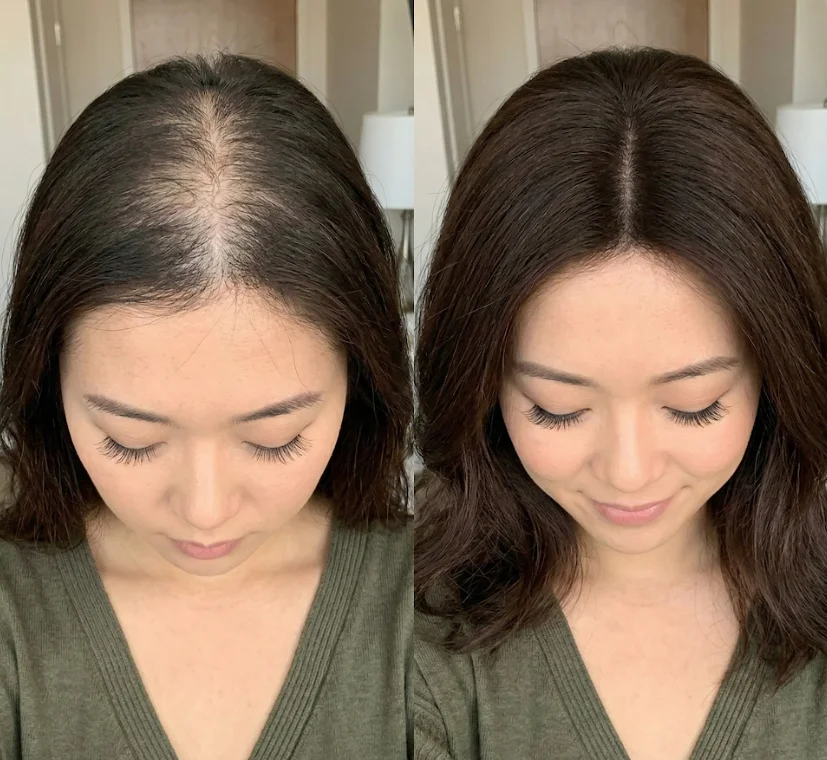
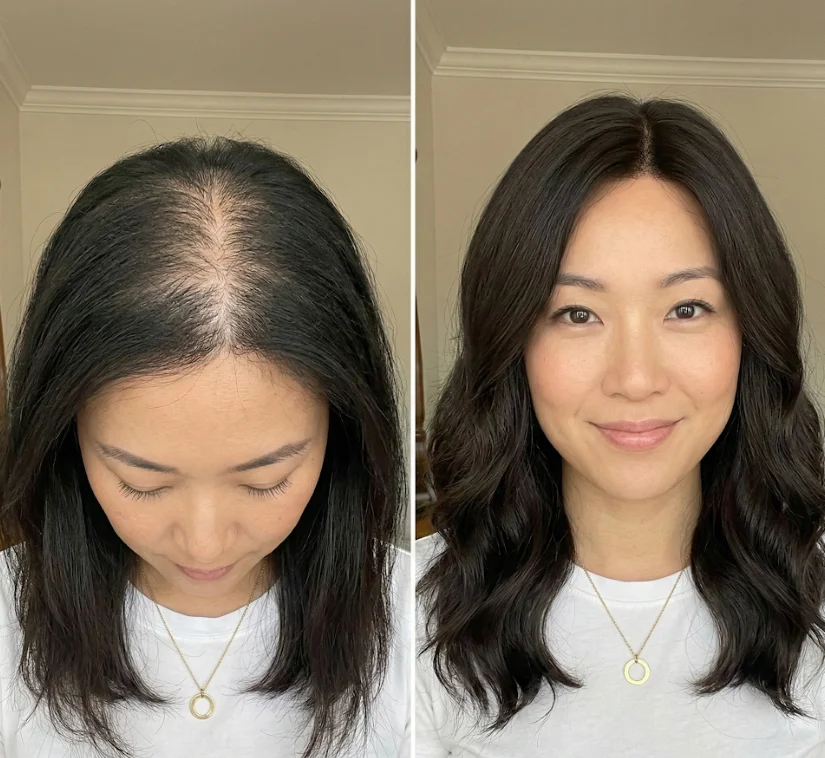
Slide to see the incredible transformations achieved by our clients
Drag to compare
Drag to compare
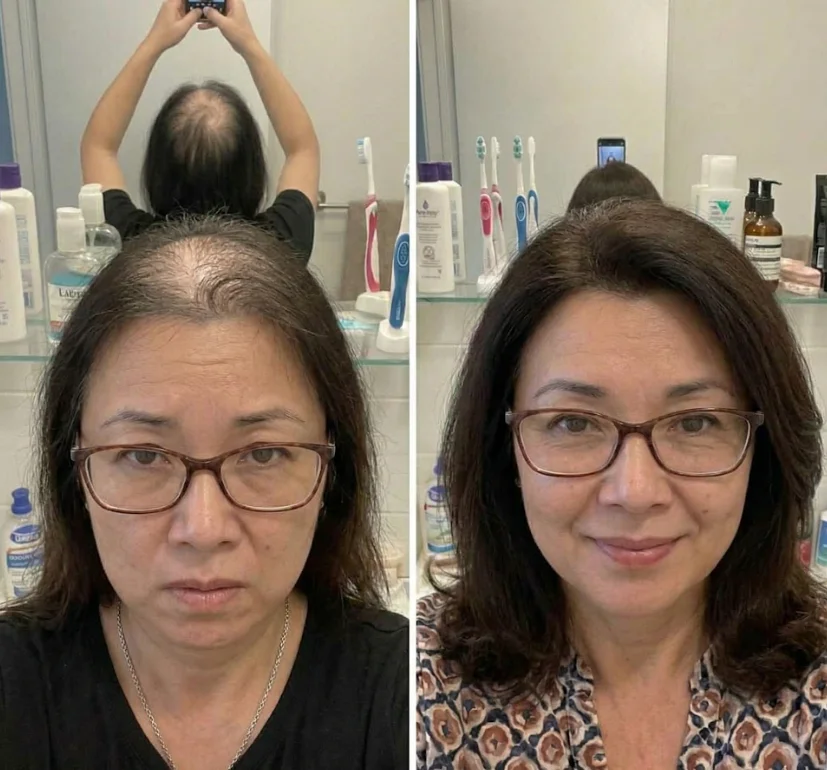
Drag to compare
Results may vary. Individual results depend on various factors.
Start Your TransformationSometimes. If hair loss is linked to a temporary trigger like stress or mild nutrient issues, it may improve when the trigger is addressed. Genetic pattern loss (androgenetic alopecia) usually needs medical treatment for real change. At Nexus Clinic KL, we identify the specific cause before recommending any treatment approach.
The most effective treatment depends entirely on your type of hair loss. For androgenetic alopecia (pattern hair loss), the combination of finasteride (for men), topical minoxidil, and PRP produces the best results. For telogen effluvium, identifying and removing the trigger is most effective. For alopecia areata, intralesional corticosteroid injections and PRP show good results. A proper diagnosis at Nexus Clinic KL ensures you receive the treatment matched to your specific condition.
Most treatments need at least 3 to 6 months of consistency before visible change appears. Minoxidil typically shows results at 3-6 months. Finasteride shows hair loss slowing at 3-6 months and maximum benefit at 12-24 months. PRP shows improvement beginning from the second session onward, with maximum results at 3-6 months after completing the initial 3-session course. Patience and consistency are essential for optimal outcomes.
Yes. PRP (platelet-rich plasma) is an effective treatment for stimulating hair growth in patients with androgenetic alopecia and in some patients with alopecia areata. PRP delivers growth factors including PDGF, VEGF and TGF-beta directly to hair follicles. Published clinical studies consistently show improvement in hair density and scalp hair count after a course of PRP treatment. PRP is most effective when combined with finasteride and minoxidil rather than used as a standalone treatment.
Most patients require 3 to 4 initial PRP sessions spaced 4 to 6 weeks apart. After completing the initial course, maintenance sessions every 4 to 6 months help preserve the results. The exact number depends on your specific hair loss type, the extent of thinning, and how well your follicles respond to treatment. Your personalised treatment plan at Nexus Clinic KL will include a clear session schedule based on your assessment.
Most reported side effects are temporary and mild, including tenderness at injection sites, mild scalp redness, and slight swelling that resolves within 24 to 48 hours. Because PRP uses your own blood components, there is no risk of allergic reaction. Some patients experience mild headache on the day of treatment. Serious complications are extremely rare when performed by a qualified medical professional.
Finasteride is used for male pattern hair loss but requires proper medical counselling. Side effects can include sexual side effects (reported in 1-2% of users) and rare mood changes. Regulators have issued reminders about psychiatric risks. Finasteride should only be taken under medical supervision with regular follow-up. At Nexus Clinic KL, we discuss all risks thoroughly before prescribing and monitor patients throughout treatment. Women who are or may be pregnant must never use finasteride.
Minoxidil can help early hair loss and may slow loss or support regrowth, but it will not restore an entire head of hair. It requires consistent use for months to see results. If minoxidil works for you, you typically need to continue using it to maintain benefits. Stopping minoxidil usually leads to gradual return of hair loss within 3 to 6 months. Minoxidil is most effective when started early, before significant follicle miniaturisation has occurred.
Common causes of hair loss in Malaysian women include: female pattern hair loss (androgenetic alopecia), telogen effluvium from stress or post-partum changes, iron deficiency (particularly common in women with heavy periods), thyroid dysfunction, PCOS-related hormonal changes, traction alopecia from tight hairstyles, and nutritional deficiencies. A proper diagnosis at Nexus Clinic KL avoids wasted time on inappropriate treatments.
Yes. Stress is a well-recognised trigger for telogen effluvium, a condition where a large number of hair follicles simultaneously enter the resting phase, causing diffuse hair fall 2 to 3 months after the stressful event. Chronic psychological stress, significant illness, surgery, or dramatic weight loss can all trigger this response. In most cases, hair grows back naturally when the stress trigger is resolved, though nutritional support and minoxidil can accelerate recovery.
A hair transplant should be considered when hair follicles in an area are no longer producing hair and non-surgical treatments cannot revive them. For most patients, we recommend starting with a 12-month non-surgical programme (finasteride, minoxidil, PRP) before considering transplant. This stabilises ongoing hair loss and maximises existing density. Men with advanced baldness (Norwood grade V to VII) are more likely to be transplant candidates. At Nexus Clinic KL, we provide honest guidance on whether you are an immediate or deferred transplant candidate.
Costs vary by treatment type and number of sessions. PRP sessions typically range from RM 800 to RM 2,500 per session. Hair transplant costs range from RM 6,000 to RM 15,000 depending on graft count and technique. Medication plans vary based on product and dose. A comprehensive non-surgical programme including PRP, finasteride, minoxidil and follow-up consultations costs approximately RM 7,000 to RM 15,000 annually. At Nexus Clinic KL, all pricing is disclosed at the initial consultation before any treatment begins.
Between hair loss treatment sessions, patients receive a personalised self-care programme including: appropriate shampoo selection for their specific scalp type (oily, dry, seborrhoeic, normal); scalp tonic applied directly to the scalp after cleansing; sun exposure protection using a cap or hat in Malaysia's intense UV environment; dietary guidance including adequate protein and iron-rich foods; lifestyle changes including stress management; and specific post-treatment scalp care instructions after every PRP or mesotherapy session. The post-treatment self-care programme is as important as the clinical treatment itself.
The initial hair loss assessment at Nexus Clinic KL is priced at RM 150 to RM 300 and includes a comprehensive trichoscopy scalp examination, hair loss type diagnosis, blood test panel where indicated for medical causes of hair loss, personalised treatment recommendation with full pricing, and discussion of all treatment options including finasteride, minoxidil, PRP, laser therapy, and when considering a hair transplant is appropriate. This investment ensures you receive a proper diagnosis rather than a generic sales pitch.
If you are tired of guessing, start with a real assessment. We will match your hair loss type to the right plan, then track progress properly.
Our certified aesthetic doctors bring over 15 years of combined clinical experience and have completed over 5,000 procedures. Nexus Clinic KL is located at Wisma UOA II, Jalan Pinang, 50450 Kuala Lumpur, serving patients from across KL, Petaling Jaya, Bangsar, KLCC, Ampang, Mont Kiara and throughout Malaysia.
Limited slots available | Wisma UOA II, Jalan Pinang, KLCC — Serving Malaysia since 2001