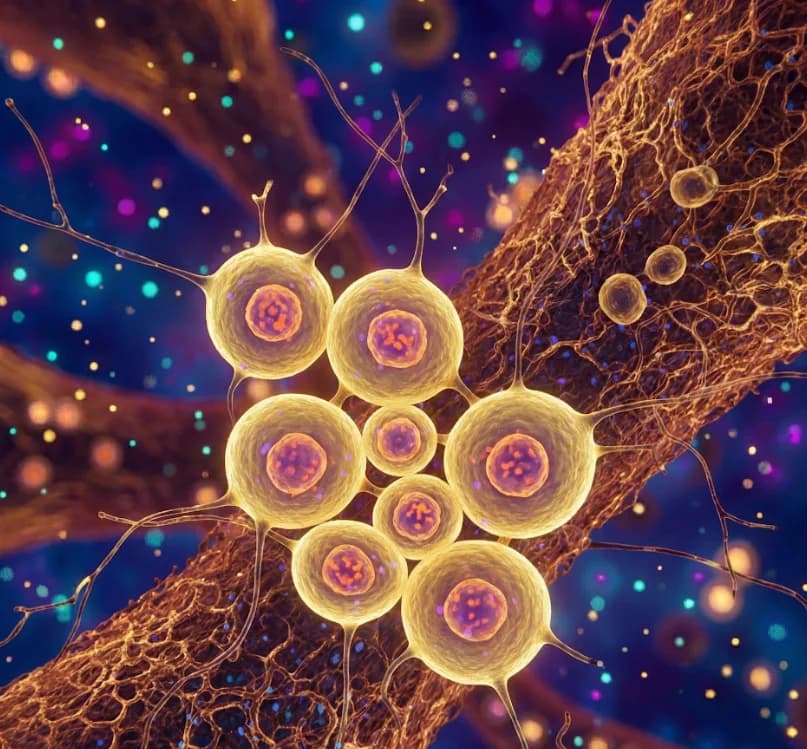
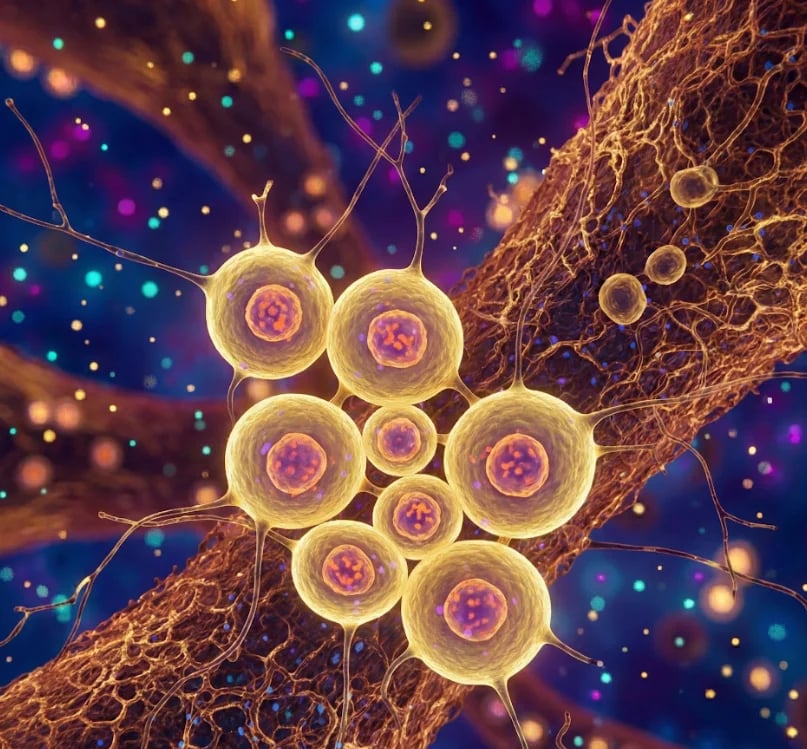
The promise of stem cells lies in something no other treatment can replicate: the ability to use the body's own biological intelligence to repair damaged tissues, modulate inflammation, and restore function at the cellular level. Stem cell therapy in Malaysia has moved from experimental fringe to a structured, doctor-led speciality, and Nexus Clinic KL is at the forefront of delivering these treatments with the clinical rigour and patient safety standards they require.
Nexus Clinic KL serves patients across Kuala Lumpur, Petaling Jaya, Bangsar, KLCC, Ampang, Mont Kiara and throughout Malaysia. Our regenerative medicine team works with licensed, MOH-compliant stem cell sources and personalised treatment plans built around your health profile and goals.
🔬 Cellular Regeneration
MOH-compliant • Personalized plans
| Treatment | Stem Cell Therapy (MSC-Based) |
|---|---|
| Session Time | 60 to 120 minutes depending on protocol |
| Downtime | Minimal. Mild fatigue or injection-site tenderness for 24 to 48 hours |
| Results Timeline | Initial improvements in 4 to 8 weeks; full effects over 3 to 6 months |
| Longevity | 12 to 24 months per session; maintenance sessions recommended |
| Administration | Intravenous (IV) infusion or localised injection depending on condition |
| Anaesthesia | Topical or local anaesthetic for injection sites; none for IV infusion |
| Suitable For | Anti-aging, joint degeneration, chronic inflammation, immune support, cellular rejuvenation |
Treatment
Session Time
Stem Cell Therapy (MSC-Based)
60 to 120 minutes depending on protocol
Treatment
Downtime
Treatment
Results Timeline
Treatment
Longevity
Treatment
Administration
Treatment
Anaesthesia
Treatment
Suitable For
Stem cells are unique among all cell types in the human body because of two defining properties: self-renewal and differentiation. Self-renewal means they can divide and replicate themselves indefinitely. Differentiation means they can transform into specialised cells, such as bone, cartilage, muscle, nerve, or skin cells, depending on where they are needed. This combination is what gives stem cells their extraordinary regenerative potential.
Among the various classes of stem cells, mesenchymal stem cells (MSC) have become the foundation of modern regenerative therapy. MSCs can be derived from several tissue sources including umbilical cord, bone marrow, and adipose tissue.
The distinction from embryonic stem cells and pluripotent stem cells is important. At Nexus Clinic KL, all stem cell therapies use adult MSCs, predominantly from umbilical cord and Wharton's Jelly sources. These are ethically sourced, clinically processed, and carry no association with embryonic cell lines.
| Source | Cell Type | Potency | Collection Method | Best For |
|---|---|---|---|---|
| Umbilical Cord (UC-MSC) | MSC | Very High | Donated postnatal cord | Anti-aging, immune support, general rejuvenation |
| Wharton's Jelly (WJ-MSC) | MSC | Highest | Cord tissue extraction | Neurological, autoimmune, systemic conditions |
| Bone Marrow (BM-MSC) | MSC + HSC | High | Bone marrow aspiration | Blood disorders, orthopaedic repair |
| Adipose Tissue (AD-MSC) | MSC | Moderate-High | Minor fat extraction | Joint, skin, localised conditions |
| Peripheral Blood Stem Cells | HSC | Moderate | Blood draw after mobilisation | Blood cancers, immune reconstitution |
| Pluripotent Stem Cells (iPSC) | iPSC | Highest (lab) | Reprogrammed adult cells | Research and future clinical trials |
Source
Umbilical Cord (UC-MSC)
Cell Type
MSC
Potency
Very High
Collection Method
Donated postnatal cord
Best For
Anti-aging, immune support, general rejuvenation
Source
Wharton's Jelly (WJ-MSC)
Source
Bone Marrow (BM-MSC)
Source
Adipose Tissue (AD-MSC)
Source
Peripheral Blood Stem Cells
Source
Pluripotent Stem Cells (iPSC)
| Condition Category | Specific Applications | Evidence Level |
|---|---|---|
| Orthopaedic | Osteoarthritis, cartilage repair, joint degeneration, sports injuries | Moderate to Strong |
| Anti-Aging | Cellular rejuvenation, skin quality, vitality, immune modulation | Growing Clinical Evidence |
| Neurological | Parkinson's support, stroke recovery, neuropathy | Early to Moderate |
| Autoimmune | Lupus, rheumatoid arthritis, inflammatory bowel conditions | Moderate |
| Metabolic | Diabetes management support, liver conditions, metabolic syndrome | Emerging |
| Women's Health | Hormonal balance support, ovarian rejuvenation, post-menopausal wellness | Early Stage |
| Aesthetic | Skin rejuvenation, hair restoration support, collagen stimulation | Moderate |
Condition Category
Orthopaedic
Specific Applications
Osteoarthritis, cartilage repair, joint degeneration, sports injuries
Evidence Level
Moderate to Strong
Condition Category
Anti-Aging
Condition Category
Neurological
Condition Category
Autoimmune
Condition Category
Metabolic
Condition Category
Women's Health
Condition Category
Aesthetic
Malaysia has become one of the most strategically positioned countries in Southeast Asia for advanced regenerative medicine. The combination of internationally trained doctors, MOH-regulated clinical standards, competitive pricing relative to Western markets, and strong English-language medical infrastructure has made Kuala Lumpur a preferred destination for both local and international patients choosing stem cell therapy.
The national stem cell research ecosystem is well developed. Leading academic institutions, government-backed frameworks under the Ministry of Health, and a growing community of regenerative medicine specialists have created a regulated medical environment where patients can access advanced stem cell treatments in Malaysia with confidence.
| Factor | Malaysia | Comparable Western Markets |
|---|---|---|
| Average Cost (MSC session) | RM 8,000 to RM 80,000 | USD 20,000 to USD 100,000+ |
| Regulatory Body | Ministry of Health Malaysia (KKM) | FDA / EMA / TGA |
| Doctor Qualification | MMC-registered, LCP-certified | Board-certified specialists |
| Wait Times | Minimal, often same-week consultation | Weeks to months |
| Language Access | English, Mandarin, Malay, Tamil | Primary language only |
| Combined Wellness | Integrated anti-aging and regenerative care | Separate specialist referrals |
The aging process is not simply the passage of time. At the cellular level, aging is a measurable decline in the body's ability to regenerate damaged tissues and organs, clear senescent cells, reduce inflammation, and maintain the vitality of key systems. Signs of aging visible on the surface, such as skin quality decline, reduced energy, slower recovery, and cognitive changes, are downstream effects of processes happening in tissues and cellular populations throughout the body.
Anti aging stem cell therapy works by replenishing the body's natural healing capacity with fresh, highly potent MSCs. These cells migrate toward damaged or inflamed tissue, release growth factors that stimulate collagen and tissue repair, and modulate the immune environment to reduce chronic low-grade inflammation, known in research as inflammaging. Patients describe the result as a return of cellular energy: improved skin quality, better sleep, clearer thinking, and a subjective sense of rejuvenation that goes beyond what topical or hormonal treatments can achieve.
At Nexus Clinic KL, anti aging stem cell programmes are paired with a complete health assessment and may be combined with complementary regenerative therapy options such as hormone replacement therapy in Malaysia and anti-aging therapy to address the full spectrum of age-related cellular decline.
The most commonly used protocol for systemic applications including anti-aging, immune support, and general cellular rejuvenation. UC-MSCs are young, highly potent, and have a low risk of immune rejection due to their immune-privileged nature. They are collected from voluntarily donated umbilical cords after healthy births. The IV delivery method ensures systemic distribution, allowing cells to repair damaged tissues across multiple organ systems simultaneously.
The mesenchymal stem cell derived from Wharton's Jelly within the umbilical cord represents one of the most potent MSC sources available. WJ-MSCs show superior proliferative capacity and immunomodulatory function compared to bone marrow-derived MSCs. They are particularly suited for neurological support, advanced autoimmune conditions, and patients seeking the most concentrated regenerative treatment available. At Nexus Clinic KL, WJ-MSC protocols are administered under physician supervision with full pre-treatment workup.
For conditions requiring targeted repair, such as osteoarthritis knee treatment, cartilage regeneration, or localised tissue damage, stem cells are delivered directly to the treatment site. This approach maximises the concentration of cells at the area of repair and reduces the total dosage required. Patients with orthopaedic concerns, hair restoration goals, or skin rejuvenation objectives may benefit from localised injection protocols.
Exosomes are extracellular vesicles secreted by stem cells that carry the regenerative signalling molecules responsible for much of the therapeutic effect. Some advanced protocols use concentrated exosome preparations alongside or in place of whole cell infusions. This approach is minimally invasive, highly targeted, and represents the advancement frontier of stem cell science. At Nexus Clinic KL, exosome protocols are available as standalone treatments or as adjuncts to full MSC infusions.
Initial consultation and thorough medical assessment.
Your doctor reviews your health history, current medications, goals, and any relevant investigations. Blood panels and imaging may be ordered where indicated. Suitability is confirmed before any treatment plan is discussed.
Protocol selection and treatment plan design.
Based on your assessment, your doctor selects the appropriate MSC source, dosage, and administration route. A personalised treatment plan is provided in writing, including session frequency, monitoring milestones, and expected outcomes.
Pre-treatment preparation.
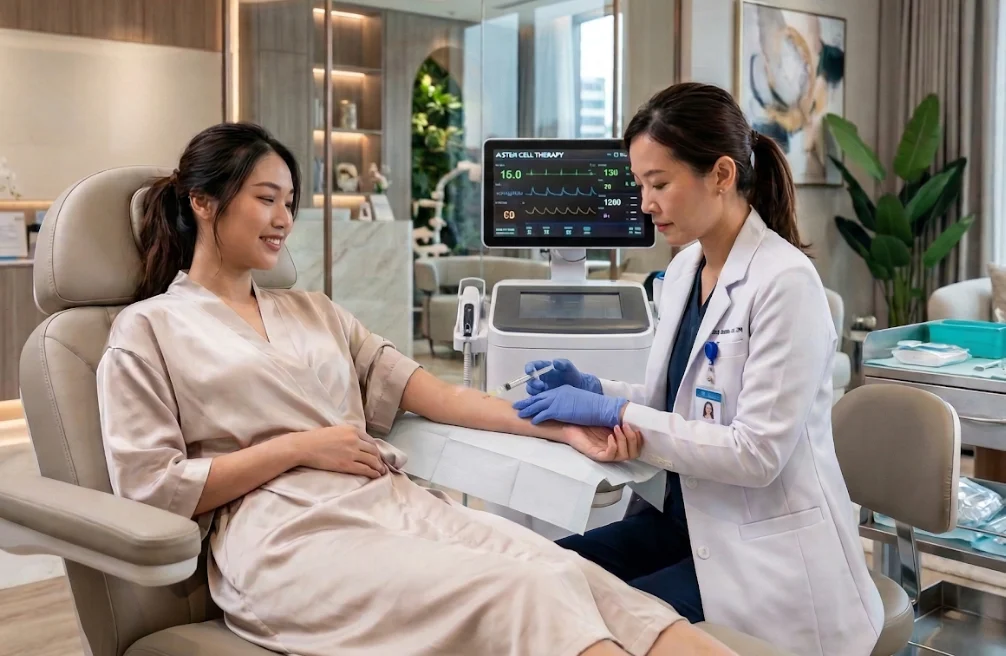
For IV infusion protocols, standard pre-infusion vitals are checked. For localised injections, the treatment area is cleaned and a topical or local anaesthetic is applied. All stem cell preparations are confirmed for viability and sterility on the day of treatment.
Stem cell administration.
IV infusions take approximately 60 to 120 minutes in a supervised clinical setting. Localised injections are completed in 20 to 45 minutes depending on the treatment area. Patients remain comfortable throughout and are monitored during the session.
Post-treatment monitoring and follow-up.
Vital signs are checked post-treatment and patients are briefed on aftercare. A structured follow-up schedule is provided. Results are tracked across weeks and months, with the doctor available for any concerns during the recovery period.
Slide to see the incredible transformations achieved by our clients
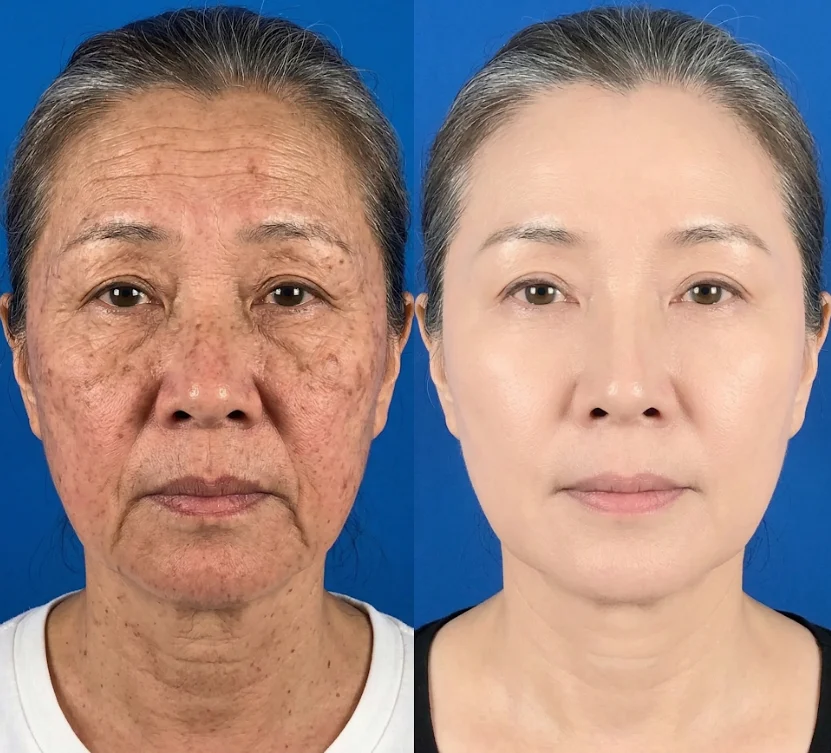
Drag to compare
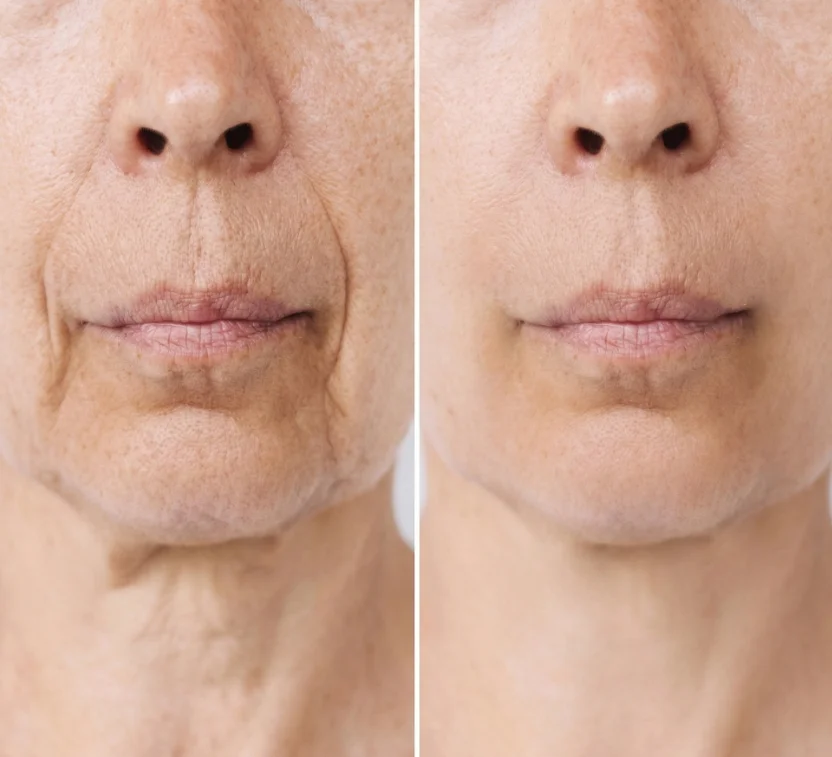
Drag to compare
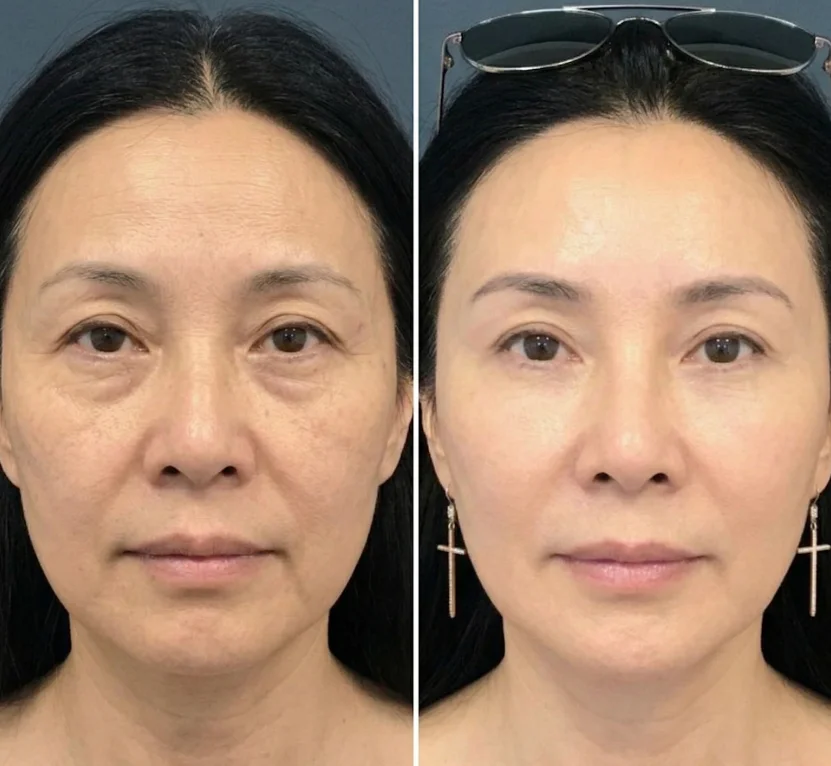
Drag to compare
Results may vary. Individual results depend on various factors.
Start Your Transformation| Programme | Cell Source | Dosage | Price Range (RM) 2026 |
|---|---|---|---|
| Anti-Aging Starter | UC-MSC (Umbilical Cord) | 50 million cells | RM 8,000 to RM 15,000 |
| Anti-Aging Advanced | WJ-MSC (Wharton's Jelly) | 100 million cells | RM 15,000 to RM 28,000 |
| Joint / Orthopaedic | AD-MSC or UC-MSC | 50 to 100 million cells | RM 12,000 to RM 25,000 |
| Systemic Rejuvenation | WJ-MSC IV Infusion | 100 to 200 million cells | RM 25,000 to RM 50,000 |
| Immune Support | UC-MSC IV Infusion | 50 to 100 million cells | RM 10,000 to RM 20,000 |
| Maintenance Session | UC-MSC or WJ-MSC | 50 million cells | RM 8,000 to RM 15,000 |
| Consultation | Nexus Clinic KL, Wisma UOA II | N/A | Complimentary |
Programme
Anti-Aging Starter
Cell Source
UC-MSC (Umbilical Cord)
Dosage
50 million cells
Price Range (RM) 2026
RM 8,000 to RM 15,000
Programme
Anti-Aging Advanced
Programme
Joint / Orthopaedic
Programme
Systemic Rejuvenation
Programme
Immune Support
Programme
Maintenance Session
Programme
Consultation
Patient safety is the foundation of every stem cell protocol at Nexus Clinic KL. All treatments use approved stem cell preparations from accredited, MOH-compliant cell processing laboratories. Doctors who administer stem cell therapy at the clinic are registered with the Malaysian Medical Council and trained in regenerative medicine protocols. No patient receives treatment based on an incomplete clinical picture.
Stem cell therapies are not without risk. Side effects are generally mild and transient, including temporary fatigue, mild fever, or injection-site discomfort in the 24 to 48 hours after treatment. In rare cases, immune responses can occur, particularly with allogeneic (donor-derived) preparations. The risk is substantially reduced by the natural immune-privileged properties of MSCs, which carry low surface marker expression and are less likely to trigger rejection than other cell types. Immune compatibility screening is performed as part of the pre-treatment medical assessment.
Patients should approach any clinic offering regenerative treatment with healthy scrutiny. Legitimate providers will always disclose the cell source, processing laboratory, dosage, and clinical rationale for their recommended protocol. Nexus Clinic KL welcomes detailed questions and provides written treatment documentation before any session proceeds. Successful case studies from our clinic reflect an evidence-based approach where patient outcomes are tracked and reviewed rather than assumed.
Yes. Stem cell therapy in Malaysia is legal when administered by licensed medical practitioners following the guidelines established by the Ministry of Health Malaysia and the Malaysian Medical Council. The regulatory framework covers cell sourcing, processing standards, clinical administration, and patient consent. Patients should confirm that their chosen clinic operates under these regulated medical standards and that treating doctors are MMC-registered.
Currently, the most established and approved stem cell applications in Malaysia include haematopoietic stem cell transplantation for blood disorders and leukaemia, and MSC-based therapies for orthopaedic and regenerative applications conducted under institutional oversight. Anti-aging and wellness-based stem cell programmes are offered in private regenerative medicine clinics under physician supervision. Patients are encouraged to discuss evidence levels for their specific condition during their stem cell therapy consultation.
The number of sessions depends on the condition being treated, the severity of cellular decline or tissue damage, and the response to initial treatment. Many patients see meaningful improvement after a single session followed by maintenance at 12 to 18 months. Those with chronic inflammatory or degenerative conditions may benefit from a structured multi-session treatment plan. Your doctor at Nexus Clinic KL will personalise your protocol during the initial medical consultation.
Yes. All stem cell preparations used at Nexus Clinic KL are derived from voluntarily donated umbilical cord tissue obtained after healthy, full-term births. No harm comes to the mother or the newborn during collection. Cord tissue is routinely discarded after birth, and its use for therapeutic purposes represents an ethically sound application. No embryonic stem cells or other ethically contested cell types are used in any clinical protocol at the clinic.
Both are valid components of a comprehensive regenerative care programme, but they address different mechanisms. Hormone replacement therapy corrects hormonal imbalances that drive symptoms like fatigue, mood changes, and metabolic slowdown. Stem cell therapy acts at a more fundamental level by addressing the body's natural healing capacity and cellular health directly. Many patients at Nexus Clinic KL combine both approaches as part of an integrated programme.
When choosing stem cell therapy in Malaysia, prioritise clinics that are transparent about cell sourcing, processing standards, and the scientific basis for their protocols. Ask whether the treating doctor is MMC-registered and whether the stem cell preparation comes from a licensed, accredited laboratory. Avoid providers making absolute cure claims or offering treatment without a thorough medical consultation. Nexus Clinic KL provides full documentation on every aspect of the treatment plan before any commitment is required.
Stem cell therapy contributes to skin rejuvenation by improving collagen synthesis, reducing systemic inflammation, and supporting cellular turnover. The effects are not cosmetic in the traditional sense. They reflect genuine cellular improvement rather than surface-level treatment. Patients undergoing systemic MSC infusions often report improved skin texture, more even tone, and a general sense of freshness that develops progressively over three to six months post-treatment.
A mesenchymal stem cell is a specific type of adult stem cell found in connective tissues including bone marrow, adipose tissue, and umbilical cord. Unlike haematopoietic stem cells, which primarily produce blood cells, MSCs differentiate into structural cell types including bone, cartilage, and fat. They also function as potent immune regulators and signalling agents that promote tissue repair and reduce inflammation. The MSC is currently the most widely used cell type in regenerative therapy globally due to its safety profile, versatility, and strong clinical evidence base.
Suitability for stem cell therapy depends on your overall health status, the condition being treated, current medications, and the specific protocol under consideration. A comprehensive medical assessment at Nexus Clinic KL evaluates all of these factors. Patients with active infections, certain cancers, or specific immune conditions may not be appropriate candidates at a given point in time. Honest suitability assessment is a non-negotiable part of the consultation process at our clinic. If stem cell therapy is not the right option for your situation, you will be told clearly before any decision is made.
Some medications, particularly immunosuppressants, anti-inflammatory drugs, and certain biologics, may affect the activity of administered stem cells. Blood thinners may also require management around treatment sessions. During your medical consultation, all current medications and supplements are reviewed. The treatment plan is adjusted accordingly to maximise safety and efficacy. Patients are also advised on any temporary modifications to their medication routine required in the days surrounding treatment.
If you're searching for stem cell therapy in Malaysia or regenerative medicine in Kuala Lumpur, start with a private consult focused on your diagnosis, your risks, and what is realistically achievable.