
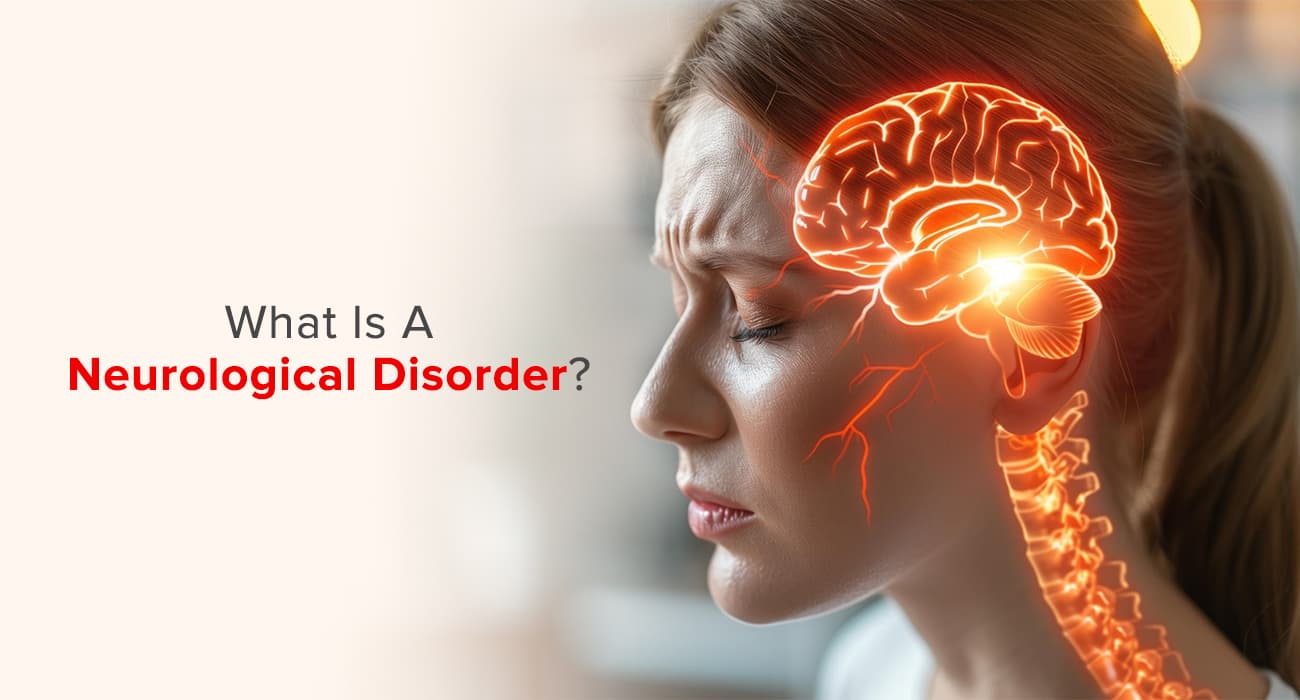

Neurological disorders may have an impact on the ability to move, coordinate, memorize, speak, and in general, the quality of one’s life. Diseases like stroke, Parkinson’s disease, spinal cord injuries, multiple sclerosis, and many other neurodegenerative diseases usually need lifelong treatment. With advances in regenerative medicine research, stem cell treatment has become increasingly popular as a possible treatment method for the restoration of tissues and neurological functions.
Interest in stem cell treatment has also increased in Malaysia due to more people looking for novel ways to treat their neurological problems. It is important, though, to remember that stem cell treatment cannot be a cure for all neurological disorders. The appropriateness of this treatment largely depends on the patient’s state, the stage of the disease, and scientific evidence available at the moment.
What Is Stem Cell Therapy?
Stem cell therapy refers to a kind of regenerative medicine that employs specialized cells capable of differentiation into different tissue types and contributing to natural regeneration mechanisms in the body. The difference between regular cells and stem cells lies in the capacity of the latter to divide, regenerate themselves, and produce bioactive substances that may help to reduce inflammation, regenerate tissue and heal damaged areas of the body.
Currently, the use of stem cell therapy in Malaysia is becoming more and more popular due to the increasing number of people suffering from diseases such as stroke, Parkinson’s disease, damage to the spinal cord and other neurological disorders who seek additional medical treatment. It is necessary to mention that stem cell therapy is not a cure and cannot replace conventional medical treatment and rehabilitation.
Also Read our Study on Hair Restoration in 2026 What Stem Cell Therapy and PRP Are Doing for Hair Loss in Malaysia?
Benefits of Stem Cell Therapy for Neurological Disorders
- Could assist with the natural healing and regrowth of bodily tissues.
- Has the capability of lowering inflammation in certain neurodegenerative diseases.
- Could possibly enhance movement, muscular strength and coordination for certain patients.
- Could be used in conjunction with rehabilitation after sustaining neuro injuries.
- Could aid in improving aspects of the individual’s everyday life.
- Is an alternative therapy option in addition to standard treatments.
- The treatment plan is tailored for the individual based on their medical condition.
How Does Stem Cell Therapy Work?
The method of stem cell therapy relies on the introduction of stem cells to the body to assist in the process of tissue repair and regeneration in the affected area. Once injected, stem cells produce factors that could potentially decrease inflammation, stimulate tissue repair and regeneration, stimulate angiogenesis, and preserve the already existing nerve cells. However, stem cell therapy does not replace damaged nerves, but rather creates conditions favorable for self-repairing and recovery of the body.
In cases of neurological diseases, stem cell therapy is usually used in combination with other treatments such as medications, physical therapy, occupational therapy, and rehabilitation programs. Each neurological disease influences the functioning of the nervous system in its own way, which means that patients’ outcomes differ, and thus the choice of treatment is to be based on modern scientific evidence.
How Stem Cell Therapy Supports Recovery
| Step | What Happens? | Benefits |
| Patient Assessment | Neurological status, medical history, and suitability for treatment are assessed by specialists. | It ensures that the patient receives a personalized and evidence-based treatment program. |
| Stem Cell Administration | Stem cells are collected and delivered to the patient’s body by means of a medical method. | It supplies regenerative cells in order to assist in the process of the healing of the body. |
| Release of Growth Factors | The stem cells release certain substances which can decrease the inflammation and promote tissue regeneration. | It provides the right environment for the healing of the body and the brain. |
| Rehabilitation & Recovery | Stem cell therapy is combined with rehabilitation. | May help improve functional outcomes, mobility, and quality of life in suitable patients over time. |
Neurological Disorders That May Benefit from Stem Cell Therapy
Stem cell treatment has been studied extensively in treating various diseases in relation to the brain, spine, and nervous system. Although the early results from some trials have been promising for certain illnesses, there is variation in how effective stem cell treatment works based on the type of condition, disease progression, and characteristics of the patients. For the most part, it is seen as a complimentary form of treatment along with existing medication and physical therapy.
| Some Neurological Disorders | Role of Stem Cell Therapy |
| Stroke | May support neurological recovery, improve motor function, and enhance rehabilitation in selected patients. |
| Parkinson’s Disease | Research is exploring its potential to support nerve cell function and improve movement-related symptoms. |
| Spinal Cord Injury | May help promote tissue repair and improve mobility, sensation, and functional recovery when combined with rehabilitation. |
| Traumatic Brain Injury (TBI) | May assist recovery by supporting tissue repair and reducing inflammation following brain injury. |
| Cerebral Palsy | Ongoing research is evaluating whether stem cell therapy may help improve motor function and quality of life in selected patients. |
Not every neurological disorder responds to stem cell therapy, and treatment outcomes can vary significantly between individuals. A comprehensive evaluation by a qualified specialist is essential to determine whether stem cell therapy is appropriate based on your diagnosis, overall health, and the latest clinical evidence.
What Happens During Stem Cell Therapy?
Stem cell therapy commences with a thorough medical evaluation of whether or not the treatment is right for your neurological illness and overall well-being and aims. The physician shall evaluate your medical record, current symptoms, imaging results, as well as previous treatments and devise an individual treatment plan accordingly. In case you are found a good candidate, stem cells are extracted based on a particular protocol and administered in a way that is best for your neurological problem. In Nexus Clinic, stem cell therapy is used as an additional treatment for neurological problems along with traditional medicine and rehabilitation.
Afterwards, patients are followed up until they recover comfortably and leave the clinic or continue with their rehabilitation programme. Follow-up visits provide an opportunity for the doctor to evaluate the progress of the treatment, control the recovery process and modify the treatment plan if needed. As every person’s neurological recovery is unique, if the patient does improve, the recovery process takes time depending on the nature of the illness and other factors. Do you know about Stem Cell Therapy for Anti-Aging in Malaysia
Stem Cell Therapy Cost in Malaysia
In Malaysia, stem cell therapy cost depends on the neurological disease being treated, the complexity of the therapy plan, the kind of stem cells to be used in the treatment process and the number of therapies that will be required. Since every single person’s case is unique, treatment is customized after a thorough evaluation of the medical situation. Though it may seem costly, most patients view it as part of their overall therapy strategy including traditional neurological treatments. The consultant will discuss the treatment strategy, expected results and the cost estimate at your appointment.
Pricing for Stem Cell Therapy at Nexus Clinic
| Initial Consultation | RM 300 |
| Stem Cell Therapy Session | Starting from RM 25,000 per session |
| Follow-Up Consultation | RM 150 per session |
Know more about Stem Cell Therapies : Repair with Advanced Regenerative Medicine at Nexus Clinic KL
Recovery, Aftercare & Expected Outcomes
The post-treatment period after stem cell treatment is normally quite easy for the patient, although it depends on a number of factors, such as the patient’s neurology, treatment type, and patient’s overall condition. Most patients will be able to start their routine life soon after treatment; however, neurological recovery is normally not immediate but a slow process. The use of stem cell treatment is accompanied by physiotherapy, occupational therapy, medication, and other types of treatments in order to maximize the effect from the treatment.
Aftercare Instructions
- Observe all the post-care instructions that have been provided by your doctor.
- Attend all the follow-up sessions in order to track your improvement.
- Continue taking your medicines unless instructed not to do so.
- Make sure you become an active participant in physiotherapy sessions and programs.
- Drink plenty of water and eat healthy foods.
- Avoid smoking and consuming too much alcohol.
- Get enough sleep.
Possible Side Effects
- Injection-site pain.
- Swelling and redness in the area where the vaccine was injected.
- Bruising of the skin around the injection site.
- Feeling tired for a little while.
- Headache or mild fever in some patients.
Safety Considerations
- Stem cell therapy is an area which requires medical professionals to perform it.
- It is imperative to conduct a full medical examination in order to determine whether a patient is suitable for stem cell therapy.
- Stem cell therapy cannot be considered a cure for brain-related problems as it does not work the same way for all people.
- Medications, rehabilitation and medical follow-up are important aspects which should continue despite undergoing stem cell therapy.
FAQs
One of the areas in regenerative medicine with promising possibilities is the stem cell therapy that still shows its potential in treating neurodegenerative diseases. Though recent studies have produced some promising results in selected patients, it is not the ultimate cure and can be used as one of the methods in combination with traditional treatment and rehabilitation programs. Proper medical evaluation is necessary for deciding whether stem cell therapy suits you according to your health conditions and recent medical research.
Doctors at Nexus Clinic offer personal consultations regarding stem cell therapy and neurological treatment as well as individualized treatment plans. If you want to consider the use of regenerative medicine for your neurological disease, consult doctors at Nexus Clinic first.
Is stem cell therapy a cure for neurological disorders?
Stem cell therapy is not a cure but rather a treatment aimed at regeneration that might help some patients with specific neurological disorders to recover or improve their function.
Which neurological disorders may be treated with stem cell therapy?
Stem cell therapy can be used for stroke, Parkinson’s disease, spinal cord injury, multiple sclerosis, traumatic brain injury, cerebral palsy, and peripheral nerve disorders. It is important to note that not all patients would be suitable for this kind of therapy.
Who is a suitable candidate for stem cell therapy?
Suitable patients would be identified after conducting a thorough medical examination of the patient. The doctor will determine whether the patient is eligible for this treatment using criteria such as his diagnosis, disease severity, medical history, current health state, and goals of the treatment.
How long does recovery take after stem cell therapy?
In most cases, the patient will feel fine immediately after undergoing the treatment procedure. On the other hand, any changes in the patient’s neurological condition will develop gradually in weeks or months.
Is stem cell therapy safe?
Performed by licensed and professional medical specialists according to medical protocols, the procedure should not cause any complications. Like any other treatment, there are possible risks and side effects.
Book a Consultation
If you are considering stem cell therapy for a neurological disorder, a consultation at Nexus Clinic can help determine whether you are a suitable candidate. The medical team will assess your condition, discuss available treatment options, explain the expected benefits and limitations, and provide a personalised treatment plan with transparent pricing.
✓ Reviewed by Dr. Preetha Nair, Aesthetic Medical Doctor – Nexus Clinic KL