
Forehead Botox Malaysia What Actually Happens When You Treat This Area
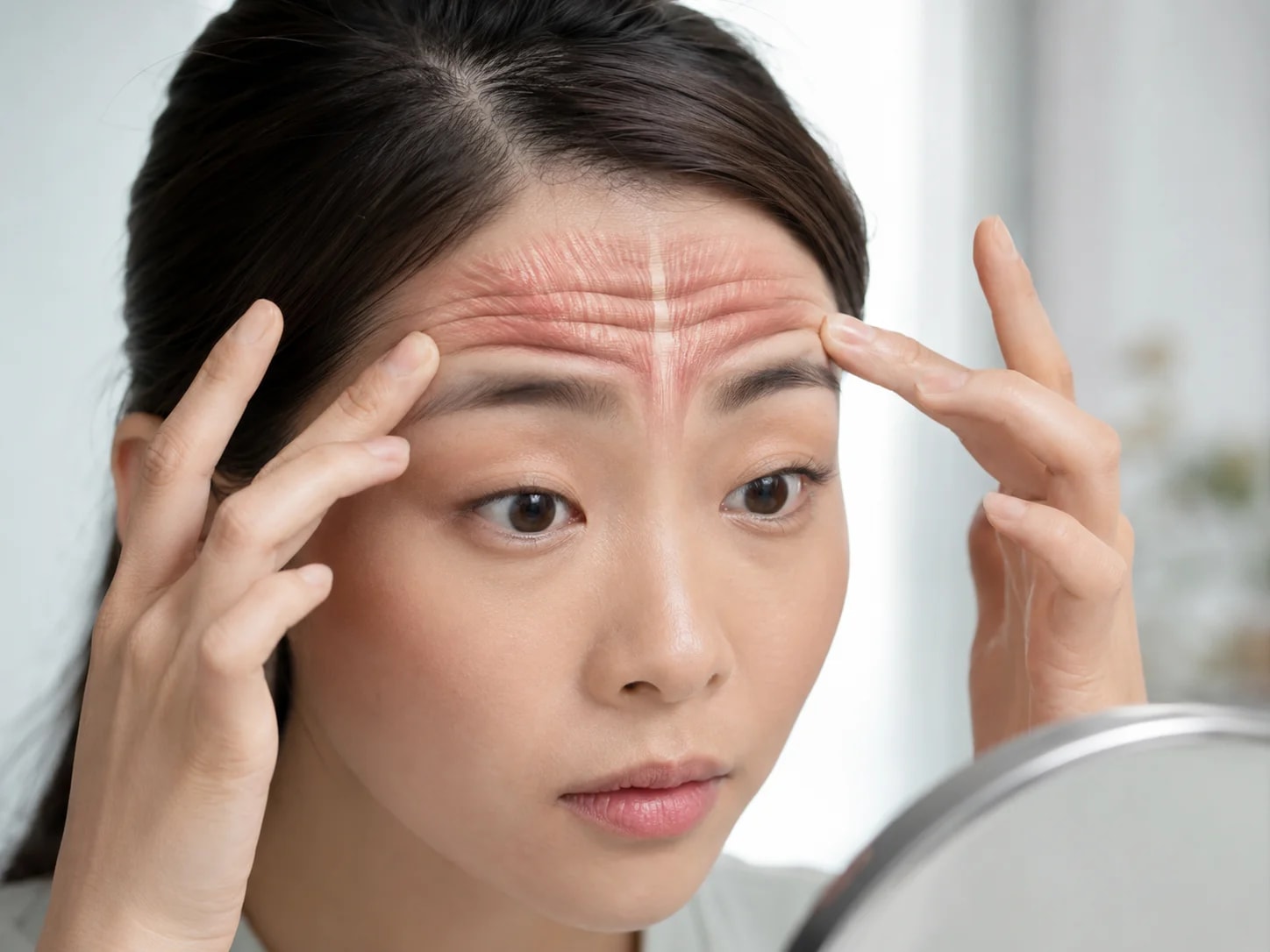
The forehead behaves differently from every other part of the face when it comes to Botox, and most clinics don't explain why. It's not just 'inject and relax.' The frontalis is the only muscle holding your eyebrows up. There's no opposing lifter. So when you treat it, you're not just softening lines, you're changing the position your brows sit in. Get that balance wrong and you end up with brows that feel heavy, or worse, a 'Spock brow' where the outer corners arch unnaturally because only part of the muscle was treated.
This is why forehead Botox in Malaysia needs more thought than people assume, and why we're covering it separately here rather than lumping it in with every other area.
Important Clinical Note
Botox results vary by individual. Always consult with a licensed medical professional for proper assessment and dosing.
✨ Forehead Botox
Brow-lifting expertise • Natural results
Why This Area Creases First
Some people rely on their forehead more than others without realising it. If you naturally lift your eyebrows to compensate for hooded eyelids, or you're someone who talks with a lot of facial animation, your frontalis is working overtime compared to the average person. That's often why some patients in their early to mid twenties already have forehead lines while others don't see anything until their late thirties. It's less about age and more about how much that muscle has been used.
The Brow Drop Risk, and How We Avoid It
This is the part most people don't think to ask about until after a bad experience elsewhere. Because the frontalis is the sole brow lifter, treating it too aggressively, or too close to the brow line, can cause the eyebrows to sit lower than before. Some patients describe it as their eyes looking smaller or their face looking tired even though the lines are gone.
At Nexus Clinic, this is handled by keeping injection points at a safe distance above the brow, usually around 2 to 3 centimetres, and adjusting the dose based on how strong your frontalis is and where your brows naturally sit before treatment. Patients with naturally low or heavy brows need a more conservative dose than someone with high-set brows and a naturally open eye area. This is decided during consultation, not applied as a fixed formula.
Forehead Botox and Headaches
Something we get asked about fairly often that doesn't come up much elsewhere: patients who get tension headaches from frowning or forehead tightness sometimes notice fewer headaches after treatment. This isn't the same as migraine treatment, which uses a different, more extensive injection protocol, but for people whose headaches are linked to muscle tension in the forehead and brow area, relaxing that muscle can bring some relief as a side benefit. It's not something we promise or treat for specifically, just something patients have reported.
How Dosing Differs by Forehead Shape
Not every forehead is built the same, and this changes how treatment is planned. A shorter, more compact forehead usually needs fewer units spread across fewer points. A taller or broader forehead often needs the dose spread wider to avoid an uneven result where the centre looks smoother than the sides. Men typically need noticeably more units here than women because the frontalis tends to be thicker and more developed, partly from differences in skin thickness and partly from habitual expression patterns. This is one of the more individualised parts of Botox planning, and it's a big reason why copying someone else's exact treatment plan rarely gives the same result.
What Recovery Actually Feels Like Here Specifically
The forehead tends to show visible effects faster than most other areas because the skin here is thinner and the muscle sits closer to the surface. Some patients notice their forehead feeling slightly stiff or “tight” for the first day or two, more so than other treated areas. This isn't a sign of a problem, it's just the muscle response being more noticeable in a thin-skinned area. It settles on its own within a few days as the treatment takes full effect.
Repeat Treatment and the Forehead Specifically
Something worth knowing if you're treating this area for the first time: your second round of forehead Botox often needs a slightly different dose than your first. As the frontalis relaxes and you stop compensating with it as much, some patients find they need less to maintain the same result. Others, especially those who unconsciously start using the muscle again between sessions, need roughly the same. This is tracked at each visit so your plan adjusts based on how your forehead specifically responds over time, not a fixed schedule.
Who Should Be Extra Careful With This Area
Beyond the general contraindications for Botox, forehead treatment specifically needs a closer look if you have naturally low-set or heavy brows, significant upper eyelid hooding, or if you've had brow or eyelid surgery in the past. These factors change how much room there is to work with before the brow position is affected, and it's something your doctor will assess by looking at your resting brow position, not just your lines.
Frequently Asked Questions
Not if it's dosed and placed correctly. This risk exists specifically for this area because of how the muscle works, which is why injection points are planned around your natural brow position rather than applied the same way for everyone.
That usually happens when only the outer or lower part of the frontalis is treated unevenly, leaving the untreated section to pull the brow up on its own. Even, planned placement across the muscle avoids this.
Yes. Frown lines involve the corrugator and procerus muscles between the brows, which don't affect brow height. The forehead involves the frontalis, which does, so the planning and risk considerations aren't the same even though they're often treated together.
Generally yes, since muscle thickness and strength in this area tend to differ, but the actual number is decided at consultation based on your own muscle strength, not a general rule.
Yes, though your doctor may point out if treating the forehead alone without the frown area could shift the balance of how your brows move together.
Book Your Forehead Botox Consultation
Your forehead is assessed around your resting brow position, not a fixed formula. Book a consultation at Nexus Clinic KL to plan a dose that suits your muscle strength and brow height.