
Frown Line Botox Malaysia Fixing the “Always Angry” Look
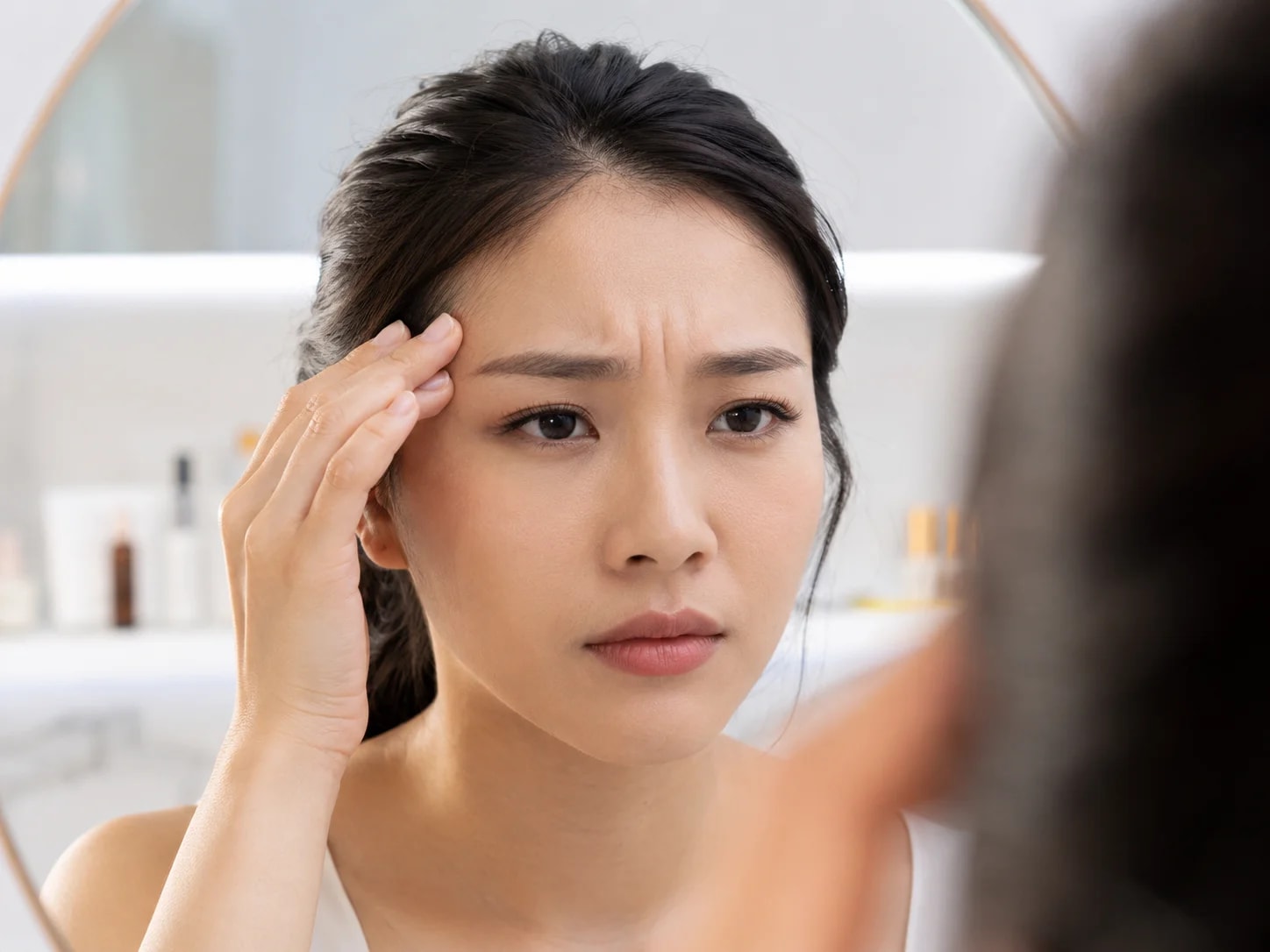
Someone tells you to relax your face when you're not even upset. You catch yourself mid-thought in a mirror and look furious for no reason at all. That's frown lines, and honestly it's the number one reason people come in asking about frown line Botox in Malaysia, more than forehead lines, more than crow's feet.
This area isn't run by one muscle. Two muscles work together here. The corrugator supraciliaris pulls the brows in and down, and the procerus pulls the skin between the brows downward. Most people assume it's just one muscle doing all the work, which is part of why this area is harder to treat properly than it looks from the outside.
Important Clinical Note
Botox results vary by individual. Always consult with a licensed medical professional for proper assessment and dosing.
✨ Frown Line Botox
Per-side assessment • Even brows
Why Two Muscles Make This Trickier
One muscle, predictable result. Two muscles pulling in slightly different directions, less so. If the corrugator is stronger on one side, and a lot of people have this without ever noticing, giving both sides the exact same dose can leave one brow sitting a little off from the other afterward. It's one of the more common complaints we hear from patients who had this done elsewhere without a real assessment first.
At Nexus Clinic, we ask you to frown as hard as you can during consultation and watch how each side actually moves. Dominant sides are more common than you'd think. That gets built into the dosing plan rather than just splitting the amount evenly by default.
A Side Effect Almost Nobody Warns You About
Once your frown muscles relax, some patients start unconsciously using the nasalis, the small muscle across the bridge of the nose, to try and recreate that same scrunch out of habit. What shows up:
- Small diagonal lines across the nose bridge that weren't there before
- Usually noticed about one to two weeks after treatment
- Not a reaction to the Botox itself, more your brain looking for another muscle to do the job
Patients who know this might happen tend to be a lot calmer about it than patients who weren't told. It's usually sorted out easily at the same visit or your follow up.
Why This Area Reads as Angry Even When You're Not
The brain reads a lowered, pulled-together brow as a threat almost instantly. It's one of the fastest facial signals people pick up on, faster than most other expressions. So static frown lines, the kind that stay put even with your face fully relaxed, get read by other people as anger, stress, or exhaustion no matter what you're actually feeling. Forehead lines don't carry that same weight. Crow's feet don't either. This is probably why patients report such a noticeable difference in how people react to them, at work, in photos, after this specific area gets treated.
When Botox Alone Isn't Quite Enough
Frown lines range from barely there to deep enough to rest a fingernail in. If yours has been around ten years or more, Botox might stop it from getting deeper but not fully flatten it out, because the skin has developed a permanent fold sitting on top of the muscle habit. Signs this might apply to you:
- The line is still visible even when you deliberately relax your face
- You've had the line for many years, not just recently
- Botox has softened it before but never fully smoothed it flat
In those cases a small amount of filler placed directly in the crease is usually what closes the gap that Botox alone can't. Most patients don't need this, but it's worth flagging at consultation if your line fits the pattern above.
Dosing Isn't the Same for Everyone Here
The corrugator and procerus vary in strength person to person more than most areas of the face. A few things that change how much is needed:
- Naturally low, heavy brows paired with a strong frown pattern usually need more
- Lighter, less habitual frowners often need less
- Going in with one fixed dose regardless of muscle strength tends to cause one of two problems, either the line still shows on a deep frown, or the inner brow area goes completely still while the rest of the face keeps moving normally
That second outcome, one flat patch surrounded by an otherwise expressive face, is actually more obvious to other people than a fully still forehead would be.
What Actually Changes in Your Expression
You can still look concerned, focused, or serious when you mean to. What disappears is the version you don't control, the line that shows up while you're reading, staring at your phone, or just thinking about nothing in particular. Being able to frown on purpose but not by accident, that's really the whole point of doing this area well.
Frequently Asked Questions
Your nasalis muscle is stepping in to recreate the scrunch your frown muscles used to do. It's manageable and usually handled at your follow up visit.
It can, if one side is naturally stronger and that isn't accounted for during your assessment. This gets checked specifically before we decide on dosing.
It'll stop it from deepening and soften what's there, but a line that's been etched in for years may need a touch of filler alongside it to fully flatten.
Yes. The aim is removing the involuntary version at rest, not your ability to show concern or focus on purpose.
Some patients find it slightly more tender than the forehead since the skin is thinner here, but it's still quick and generally well tolerated.
Lose the Angry Look, Keep Your Expression
Frown lines change how people read your mood before you've said a word. Book a consultation at Nexus Clinic KL for a per-side assessment and a dosing plan built around how your frown muscles actually move.