 Hair Treatment
Top Myths About PRP Hair Treatment in Malaysia That Are Keeping You From Getting Results
10 min read


Medically reviewed by Dr. Ashvinia Bala, MBBS (AIMST University), MMC Registration No. 82489 | Last reviewed:
Side effects are the main concern behind most PRP hair treatment discussions, with lists of them mixing up reasonably common reactions with extremely rare complications. As such, a properly balanced list is a valuable tool to help distinguish between the possible and the probable.

Doctor-led safety
Screened before every session
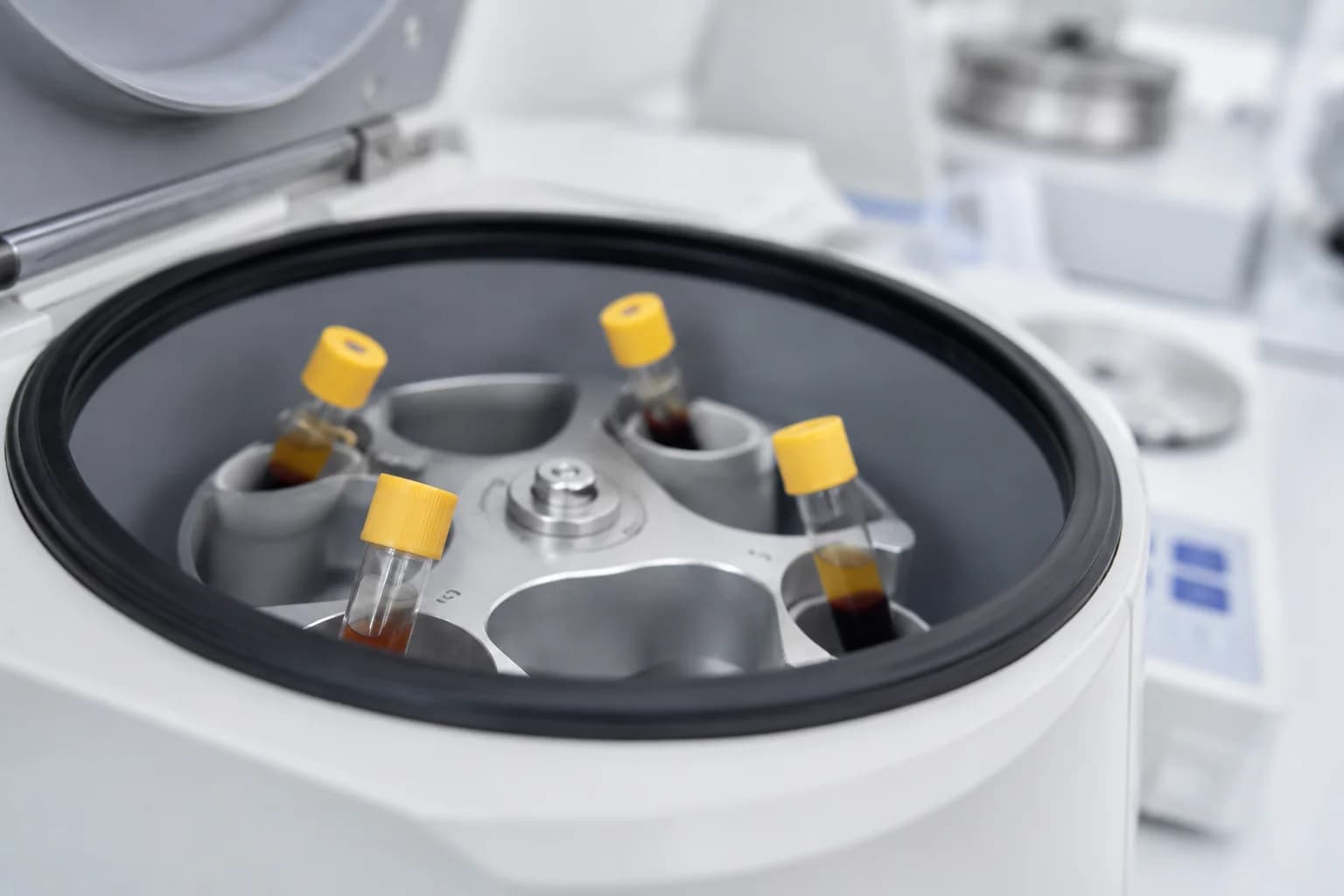
Since PRP utilises blood plasma from the patient, the nature of most complications is different compared to conventional injectables. There is no foreign substance in a PRP solution, which removes a considerable risk category.
Clinical Note
The overall risk profile is significantly reduced due to PRP being an autologous treatment. The complications that do arise are localised and short-lived, rarely persisting past 48 hours after the session.
There is a broad range of minor side effects virtually all patients experience after the treatment, although none of them are serious in nature. In most cases, they are normal physiological reactions to an injection with a fine needle.
None of these complications require any special course of action, as they are all normal reactions to the medical procedure. As a result, patients typically return to their regular routines the same day without any restrictions.
A smaller number of patients report additional side effects, which are still within the normal range but may raise questions due to their nature.
| Side Effect | Incidence | Notes |
|---|---|---|
| Bruising on the sites of injection | Occasionally | Resolves within a week |
| Itchiness of the scalp | During the healing process | Usually does not require intervention |
| Dizziness after drawing blood | Uncommon | Sitting still for a few minutes before standing up resolves the issue |
| Localised infection | Rare | Requires contacting the clinic for instructions |
| Numbness or irritation of nerves | Very rare | These complications typically dissipate on their own |
Side Effect
Bruising on the sites of injection
Incidence
Occasionally
Notes
Resolves within a week
Side Effect
Itchiness of the scalp
Side Effect
Dizziness after drawing blood
Side Effect
Localised infection
Side Effect
Numbness or irritation of nerves
The risk of infection, although present, is extremely low due to the sterile environment of a professional clinic. It also serves as a useful reminder that infection risk is typically not inherent to the treatment but may appear due to improper technique during blood draw or injection.
It is also important to distinguish between patients for which a doctor may advise against the treatment. In most cases, a simple consultation will rule out any concerns before a scheduled session.
A thorough medical examination by a doctor is the best course of action to eliminate rare complications, as it often helps identify them before the treatment session. It is also the reason why some treatment programmes built around minoxidil or finasteride may require a similar screening before incorporating them into a personal regimen.
There are a number of reasons why two patients receiving the same type of PRP treatment may report dramatically different outcomes. They mostly depend on the details of the procedure, which can vary drastically between clinics.
The variations listed above are the reason why complication rates are relative to the patients' individual care before, during, and after the procedure.
When comparing different hair treatments, it is common for patients to conflate the risks and side effects of each, assuming that they are broadly similar. In reality, each procedure has a unique mechanism, which results in complications being specific to the treatment.
| Treatment Method | Side Effects | Downtime |
|---|---|---|
| PRP Hair Treatment | Redness, minor swelling, soreness | Within hours or a day |
| Hair Transplant | Swelling, scabbing, shock loss, numbness | 5 to 10 days |
| Minoxidil | Initial irritation, shedding phase | None |
| Mesotherapy | Similar to PRP, minor redness and swelling | Minimal |
| Exosome Therapy | Mild redness, occasional soreness | Minimal |
Treatment Method
PRP Hair Treatment
Side Effects
Redness, minor swelling, soreness
Downtime
Within hours or a day
Treatment Method
Hair Transplant
Treatment Method
Minoxidil
Treatment Method
Mesotherapy
Treatment Method
Exosome Therapy
A hair transplant has a considerably higher downtime due to the nature of the surgical intervention. It is also why the decision to have one often comes after exploring less invasive and long-term treatments.
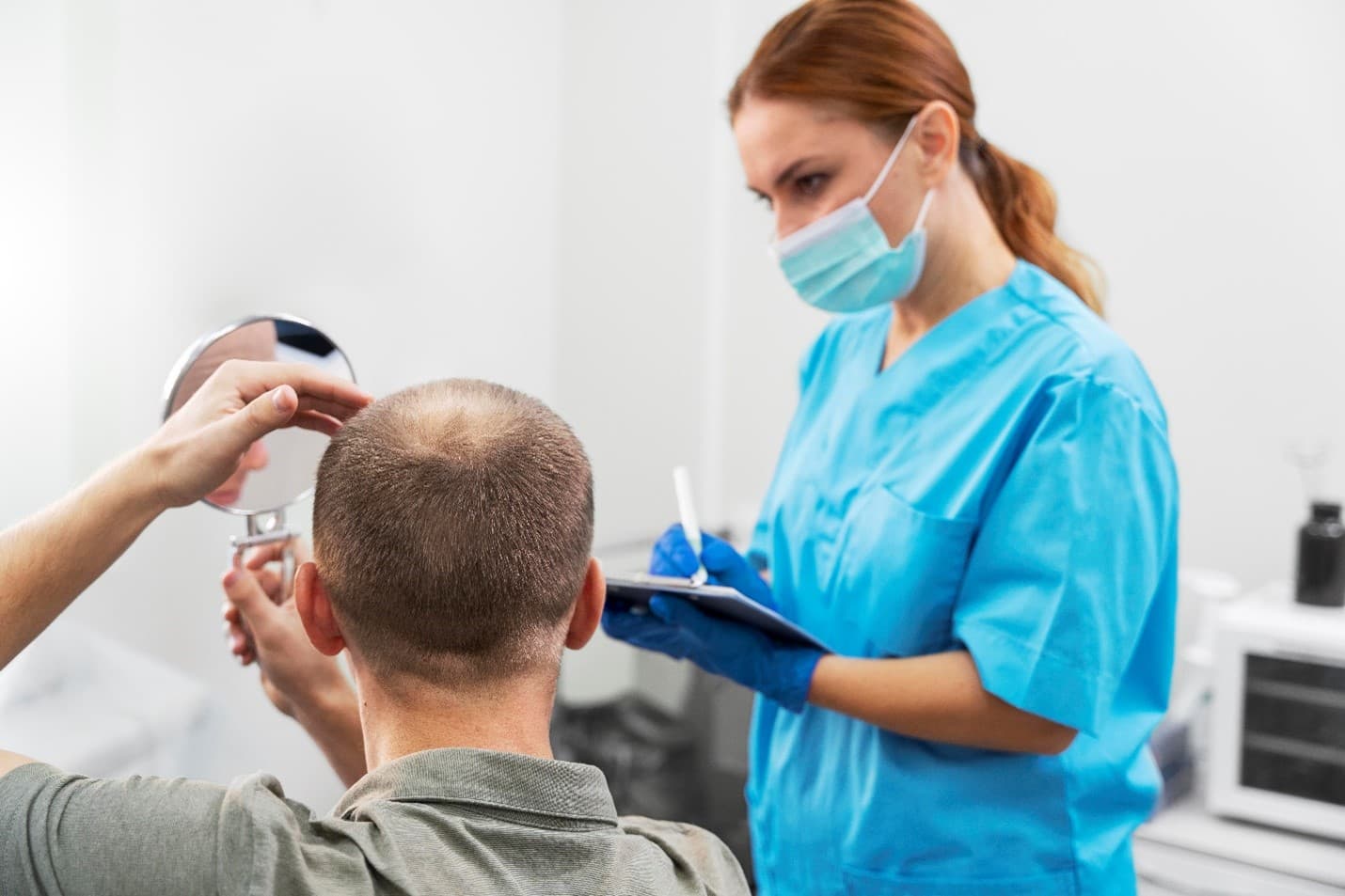
The general approach to all aspects of the PRP procedure is crucial in minimising the risks associated with the treatment. It should begin with a consultation, during which a patient receives answers to all questions and undergoes a medical screening to identify any risks or concerns.
A patient considering a combined treatment course, for example, using both PRP and mesotherapy for a more comprehensive scalp care regimen, will also receive screening for any possible complications from either treatment.
Most patients compare the sensation to a pinprick needle and the soreness of a light bruise after the treatment. Patients are welcome to request a numbing cream before the injection if they feel uncomfortable.
Redness and minor swelling typically disappear within 24 to 48 hours after the procedure. Bruising, if present, fades away within a week.
Since the procedure uses the patient's own blood plasma, there are no foreign proteins that could trigger an allergic reaction.
The risk of infection is low and unrelated to the treatment itself. It is only present due to the nature of the injection and disappears when proper post-treatment care is performed.
No, since the complications are localised and short-lived, they rarely persist after the following treatment sessions.
Pregnant or breastfeeding women, patients with platelet issues, and those on blood-thinning medication should avoid the treatment unless cleared by a doctor. Patients with an active infection should also wait until it is resolved.
The nuances of the procedure are what make the potential side effects of PRP difficult to estimate right away. Instead, relying on the thorough screening, consultation, and doctor-led treatment is the best way to be certain about the risks. Book a free consultation with Nexus Clinic KL or contact us via WhatsApp if you have any other questions on PRP side effects before having the procedure.
✓ Reviewed by Dr. Ashvinia Bala, Aesthetic Medical Doctor at Nexus Clinic KL.
Real Google reviews from our patients, including those treated for PRP hair treatment.
Guides and answers from our doctors on this treatment.