
Pico Laser for Melasma Malaysia Clearing Hormonal Pigmentation That Keeps Coming Back
You have tried the creams. The brightening serums. Maybe even a laser session somewhere that cleared your patches for a few weeks before they came back darker than before. That is not bad luck. That is melasma behaving exactly the way melasma behaves when the wrong treatment is applied to it.
Melasma is one of the most mismanaged skin conditions in Malaysia. Not because the technology to treat it does not exist, but because the wrong settings, the wrong delivery mode, and the wrong session frequency are used far too often. At Nexus Clinic KL, we treat melasma as the chronic hormonal condition it is, not as a simple pigmentation spot.
Important Clinical Note
Over 5,000 Aesthetic Procedures Completed. Our LCP-certified doctors bring 15+ years of combined clinical experience treating Asian melasma across Fitzpatrick III to V skin.

Low-Fluence Pico Toning
1064nm • Photoacoustic • Minimal Heat
Pico Laser Melasma Treatment at Nexus Clinic KL at a Glance
Everything you need to know before booking
Treatment
Pico Laser Toning Mode at 1064nm; 755nm added for surface component
Session Time
20 to 35 minutes per session including topical numbing
Downtime
Minimal; mild redness for a few hours; same-day return to work
Sessions Required
4 to 8 sessions spaced 4 weeks apart; then 6 to 8 week maintenance
Pico laser uses photoacoustic pressure rather than heat to fragment melanin, which directly addresses the rebound cycle that ruins most melasma treatment. Toning mode at low fluence is paired with oral tranexamic acid and strict SPF for results that actually hold.
Why Melasma Keeps Coming Back Even After Treatment
Most pigmentation responds well to the right laser. Melasma is more stubborn because it has two characteristics that ordinary dark spots do not. First, it sits at both epidermal and dermal depths, which means surface treatments only address part of it. Second, it is driven by internal hormonal signals, so even after the visible pigment is cleared, the cells that produced it are still active and waiting for the next trigger.
That trigger is often heat. When melanocytes, the pigment-producing cells in your skin, sense thermal energy, they produce more melanin as a protective response. Any laser that relies primarily on heat to break down pigment risks stimulating that response in melasma patients. The patches fade, then come back within weeks. Sometimes they come back worse.
This reaction is called post-inflammatory hyperpigmentation, or PIH, and it is especially common in Fitzpatrick Types III to V, which covers the majority of Malaysian skin. Successful melasma treatment means using a mechanism that fragments pigment without generating the heat that triggers this cycle.
How Pico Laser Treats Melasma Without Triggering Rebound PIH
Photoacoustic, not photothermal
The photoacoustic mechanism of pico laser is the key difference. Instead of heating melanin until it breaks down, ultra-short picosecond pulses create pressure waves that physically shatter melanin clusters. The thermal spread to surrounding tissue is minimal. The melanocytes receive far less heat stimulation. The rebound risk drops significantly compared to Q-switch or IPL treatments.
At Nexus Clinic KL, toning mode is used for melasma. This is low-fluence, uniform passes across the full face at conservative energy settings. Not aggressive spot treatments. Not high fluence. Conservative, controlled, and spaced correctly. The 1064nm wavelength is chosen for its ability to bypass surface melanin and reach the deeper dermal melasma component that most surface treatments miss.
Oral tranexamic acid is prescribed alongside pico laser for most melasma patients. It works systemically to suppress the hormonal melanin-stimulating signal from within the body. In clinical practice, the combination of pico laser with oral tranexamic acid consistently produces better clearing and better maintenance results than laser treatment alone.
Mixed pigmentation that includes melasma alongside other spot types is covered in our full pigmentation treatment guide. The complete medical management framework for hormonal pigmentation lives on the Melasma Treatment Malaysia page.
What Your Skin Looks Like After Each Melasma Session
Sessions One to Two
After a toning mode session, expect mild redness for a few hours. Most patients return to work the same day. The melasma patches may appear temporarily darker in the first one to three days as fragmented melanin moves toward the skin surface before the body clears it. This is normal and resolves without any intervention.
Sessions Three to Five
Between sessions, the skin gradually looks brighter, more even, and clearer. The most visible change typically happens between sessions three and five. Patches become less defined. Overall skin tone evens out before the melasma is fully addressed.
Sessions Six to Eight
By sessions six to eight, the focus shifts from clearing existing melasma to preventing reactivation. SPF50 goes on every morning before you leave the house. Reapplied every two hours if you are outdoors. This is non-negotiable during treatment.
Maintenance
Melasma is chronic. A toning session every six to eight weeks keeps melanin activity suppressed. Patients who stop completely and stop SPF at the same time almost always see their melasma return within a few months, particularly during hormonal shifts or after a holiday in the sun.
Pico Laser Melasma Treatment Price at Nexus Clinic KL
Transparent pricing,free consultation included
| Treatment / Option | Area | Unit / Duration | Normal Price RM | Selling Price RM | Promo Price RM | Package / Notes |
|---|---|---|---|---|---|---|
| Discovery PICO Rejuvenation | Face | Per session (1h 15m inc. numbing) | RM1,500 | RM1,200 | NIL | Used for melasma toning sessions |
| Oral Tranexamic Acid Programme | Systemic | Monthly review | From RM150 | From RM150 | NIL | Doctor-prescribed; combined with Pico |
| Free Consultation | Includes Wood's lamp assessment | Single visit | RM0 | RM0 | NIL | Required before first session |
Treatment / Option
Discovery PICO Rejuvenation
Area
Face
Unit / Duration
Per session (1h 15m inc. numbing)
Normal Price RM
RM1,500
Selling Price RM
RM1,200
Promo Price RM
NIL
Package / Notes
Used for melasma toning sessions
Treatment / Option
Oral Tranexamic Acid Programme
Treatment / Option
Free Consultation
Pico Laser Melasma Side Effects and Aftercare
Common Expected Side Effects
- Mild redness for a few hours after toning mode session
- Temporary darkening of patches for 1 to 3 days as melanin sheds
- Slight skin warmth and sensitivity for the first evening
- Mild dryness as cell turnover accelerates
Aftercare Instructions
- SPF50 every morning before leaving the house, reapplied every two hours outdoors
- Avoid aggressive peels, retinoids in the days immediately after each session
- Avoid heat exposure including saunas and steam,heat reactivates melanocyte production
- Gentle cleansers and ceramide-rich moisturisers as your baseline skincare between sessions
- Continue prescribed oral tranexamic acid as directed
Who Gets the Best Results from Pico Laser for Melasma
You are a good candidate if:
- Stable melasma that is not currently flaring
- Fitzpatrick Types I to V (protocols calibrated per type)
- No isotretinoin use within the past six months
- Willing to commit to consistent daily SPF during and after treatment
You may need to pause or adjust if:
- You are pregnant or breastfeeding (laser and oral TXA postponed)
- You have an active skin infection or open wound on the treatment area
- You have taken isotretinoin within the past 6 months
- Previous laser caused PIH (still treatable but needs more conservative protocol)
Frequently Asked Questions
Yes. The 1064nm wavelength and low-fluence toning mode are specifically chosen for Fitzpatrick Types III to V because of their low PIH risk profile. Conservative settings, correct wavelength selection, and appropriate session spacing are non-negotiable for darker skin. Our doctors calibrate these at every session, not just the first.
Most patients need 4 to 8 initial sessions spaced four weeks apart. After that, maintenance sessions every 6 to 8 weeks prevent reactivation. The exact number depends on the severity and depth of your melasma, which your doctor assesses at the initial consultation.
Yes, it can. Pico laser clears existing melasma effectively but it does not remove the hormonal or UV triggers that cause it. Without maintenance sessions and consistent sun protection, melasma typically returns within months. This is why treatment at Nexus Clinic KL includes a structured maintenance plan from the start.
The temporary darkening you see in the first one to three days after a session is normal. It is fragmented melanin rising to the surface before the body clears it. Think of it as the pigment being pushed out. It fades naturally and does not require any treatment.
Medical-grade topicals prescribed by your doctor can be used between sessions. Over-the-counter whitening creams can be continued unless they contain strong retinoids or exfoliants, which should be paused for five to seven days after each session. Your doctor will review your current products at consultation.
For melasma specifically, yes. The photoacoustic mechanism of pico laser generates significantly less heat than Q-switch, which is photothermal. Since melasma is triggered by heat, the lower thermal spread of pico laser directly reduces the risk of treatment-induced rebound. This is a clinically meaningful difference, not just a marketing claim.
With consistent sun protection and regular maintenance sessions, results can be sustained long term. Most patients who do this see melasma that is significantly reduced and much easier to manage than before treatment. Those who stop maintenance and skip SPF typically see recurrence within three to six months.
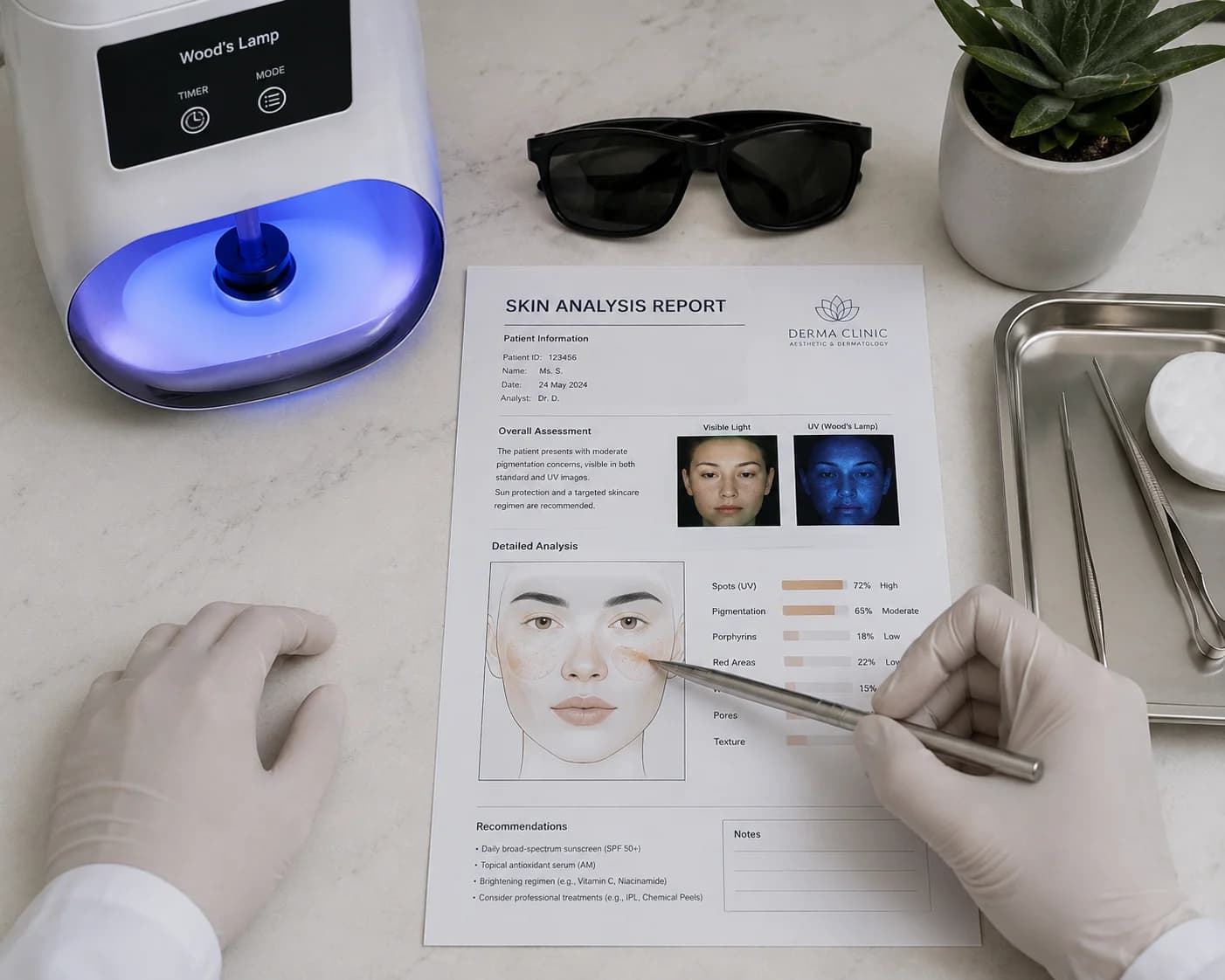
Yes. The 755nm wavelength handles surface epidermal melasma. The 1064nm penetrates to the dermal layer where deeper melasma sits. Your doctor assesses which component is dominant in your case using Wood's lamp examination and selects the wavelength combination accordingly.
Numbing cream is applied 20 to 30 minutes before every session. Toning mode is the gentlest delivery mode used in pico laser treatment. Most patients describe it as mild rubber band snaps that are very well tolerated throughout the session.
Absolutely. Melasma affects men too, though less commonly. The treatment protocol is the same. For male patients, shaving irritation and daily sun exposure from outdoor activities are often contributing triggers that your doctor factors into the management plan.
Manageable Melasma at Nexus Clinic KL
Melasma is manageable. Not a quick fix, but genuinely manageable with the right protocol. Book a free consultation at Nexus Clinic KL and get a clear picture of what your melasma looks like, how deep it sits, and what a realistic treatment plan looks like for your skin.
Limited slots available this week | Located at Wisma UOA II, Jalan Pinang, KLCC — Serving Malaysia since 2001