
Crow's Feet Botox Malaysia Fixing the Lines Around Your Eyes Without Losing Your Smile
You smile in a photo and notice lines fanning out from the corners of your eyes that weren't there a few years back. Or someone points it out casually, 'oh you have laugh lines now,' and it stings a bit more than it should. Crow's feet sit in a strange emotional spot compared to other lines, because unlike a tired-looking forehead, this area is tied directly to smiling. Nobody wants treatment that makes their smile look off.
This area is controlled by the orbicularis oculi, the ring-shaped muscle circling the eye. It closes your eyes, handles blinking, and squeezes shut when you laugh hard or when sunlight's too bright. Since it's a ring rather than a straight muscle like the ones in your forehead, treating it calls for a completely different approach.
Important Clinical Note
Botox results vary by individual. Always consult with a licensed medical professional for proper assessment and dosing.
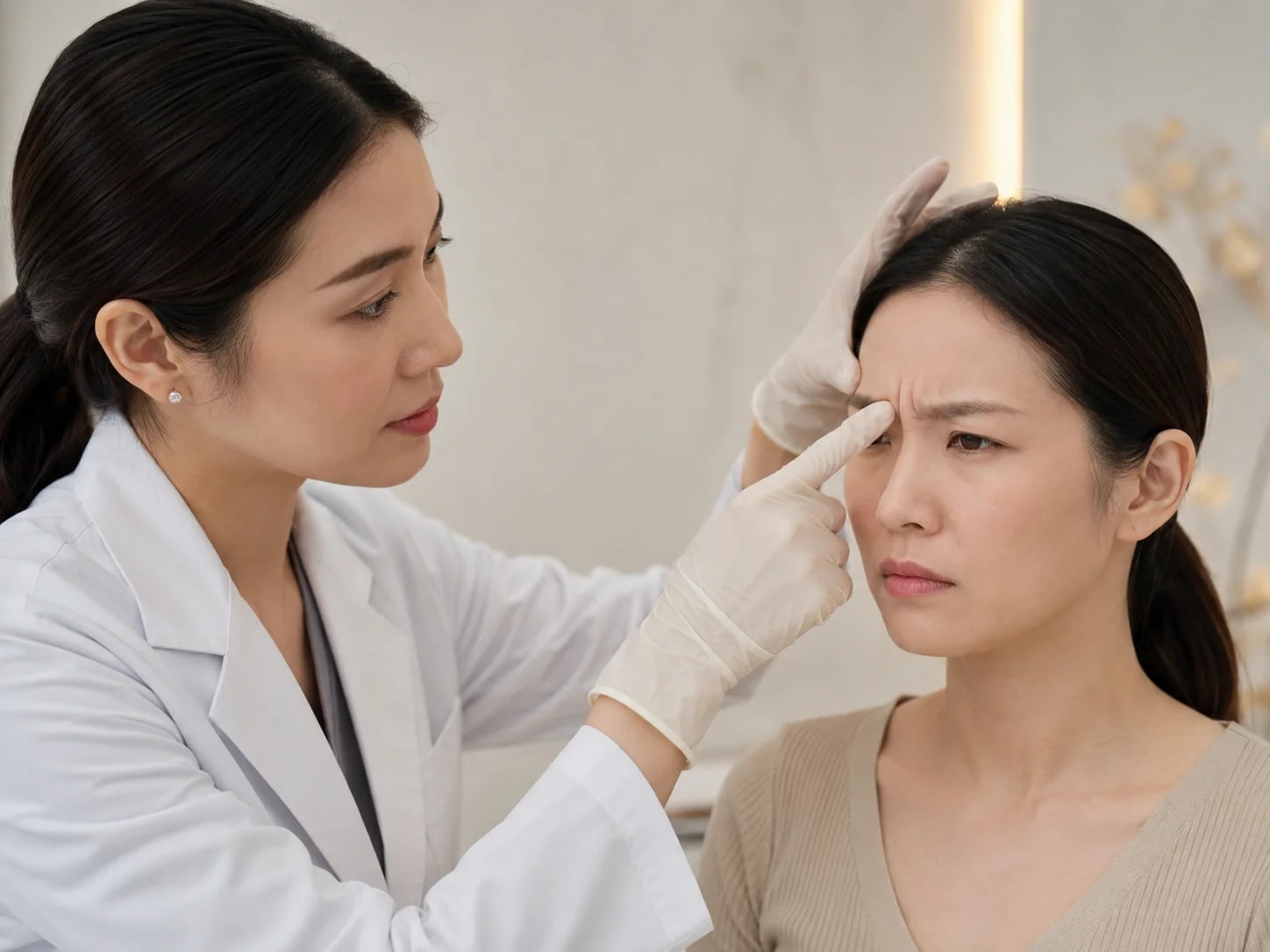
✨ Crow's Feet Botox
Smoother eyes • Same smile
Why This Muscle Behaves Differently From Everywhere Else
Most Botox areas involve a muscle pulling in one direction. This one wraps all the way around the eye. What that means in practice:
- Injection points sit around the outer edge of the eye socket, not clustered in one line
- Placement stays clear of the muscle lifting your lower eyelid, otherwise your smile can look pulled or off
- Too much product here and the lower eyelid loses some natural movement, so eyes can look slightly puffier mid-smile instead of smoother
Crow's feet Botox in Malaysia tends to be dosed more conservatively than most other areas for exactly this reason. It's not about relaxing the muscle fully, it's about softening enough movement to stop the fold while letting the muscle keep doing its job.
The Smile Problem Most Clinics Don't Bring Up
The muscle around your eyes plays a real part in whether a smile reads as genuine. There's an actual term for it, a Duchenne smile, the kind that crinkles your eyes versus one that only moves your mouth and can look forced. Overdose crow's feet Botox and that eye crinkle vanishes, so smiles can start looking flat or posed even though your mouth is doing exactly what it always did.
That's why a lighter hand gets used here compared to the forehead or the area between the brows. The target isn't stillness around the eyes. It's stopping the deep fold that lingers after the smile fades, nothing more.
Static vs Dynamic Lines Get Blurry Fastest Here
This is one of the areas where dynamic and static lines overlap earliest, mostly because the skin here is thinner than almost anywhere else on the face.
- Lines that only show up when you smile or squint, and disappear completely at rest, usually respond well to Botox alone
- A faint version that stays even with a fully relaxed expression often points to the skin itself losing elasticity, not just muscle habit
- In that second case, Botox stops things progressing, but pairing it with a skin quality treatment tends to give a fuller result
Because the skin here is so thin, static lines around the eyes often show up earlier than on the forehead or cheeks, sometimes in patients who aren't showing much ageing anywhere else yet.
Sun Exposure Matters More Here Than People Expect
Squinting against sunlight is one of the most repetitive things this muscle does, for a lot of people even more than smiling. Patients who spend a lot of time outdoors without sunglasses, or squint often while driving, tend to develop crow's feet earlier and deeper than their age would suggest. A few practical notes if this sounds like you:
- Habitual squinters sometimes need touch-ups a bit more often to keep results looking smooth
- Wearing sunglasses regularly after treatment can actually extend how long results hold up
- It's one of the few areas where a small daily habit shift makes a measurable difference alongside the treatment itself
Recovery Looks a Bit Different Here
The skin around the eyes bruises more easily than most treatment areas, simply because it's thinner and sits closer to small blood vessels.
- Slightly higher chance of a small bruise compared to forehead or frown line treatment
- Puffiness, if it happens, usually settles within a day, faster than most other areas
- Since the muscle keeps working normally around the treated points, most patients don't feel any heaviness or stiffness here the way they sometimes do on the forehead
Who Needs Extra Care in This Area
On top of the usual Botox considerations, this area needs a closer look if you have:
- Naturally hollow or thin under-eye skin, since treatment sits close to it
- A history of under-eye filler, which can change how the muscle moves and affects dosing decisions
- A very expressive smile, where a heavier dose could visibly change how genuine it looks in photos
Frequently Asked Questions
Not if it's dosed lightly and correctly. The muscle still moves, just without the deep fold left behind once the smile fades.
Skin around the eyes is thinner and sits closer to small blood vessels, so bruising shows up a bit more often here than on the forehead or between the brows.
Yes, though it's worth asking whether a skin quality treatment alongside it would give a fuller result, since lines visible at rest usually involve some skin thinning on top of muscle habit.
Yes. Repetitive squinting is a major cause of this area developing early, and wearing sunglasses regularly can help results last longer.
Not particularly, though some patients find it slightly more sensitive since the skin here is thinner.
Smoother Eyes, Same Genuine Smile
Crow's feet treatment is all about restraint, softening the fold without touching what makes your smile yours. Book a consultation at Nexus Clinic KL for a light-touch plan assessed around your smile.