 Nexus Clinic
PRP Hair Treatment vs Hair Transplant in Malaysia Which One Actually Works for You
9 min read


Medically reviewed by Dr. Ashvinia Bala, MBBS (AIMST University), MMC Registration No. 82489 | Last reviewed:
Many compare PRP and Hair Transplant treatments as if they're two versions of the same product, asking which is the better option. This is the wrong approach to the question. The two treatments address different issues in fundamentally different ways, and asking the question without first asking “which problem do I have” is a recipe for disappointment.

PRP or transplant?
Decided by follicle viability
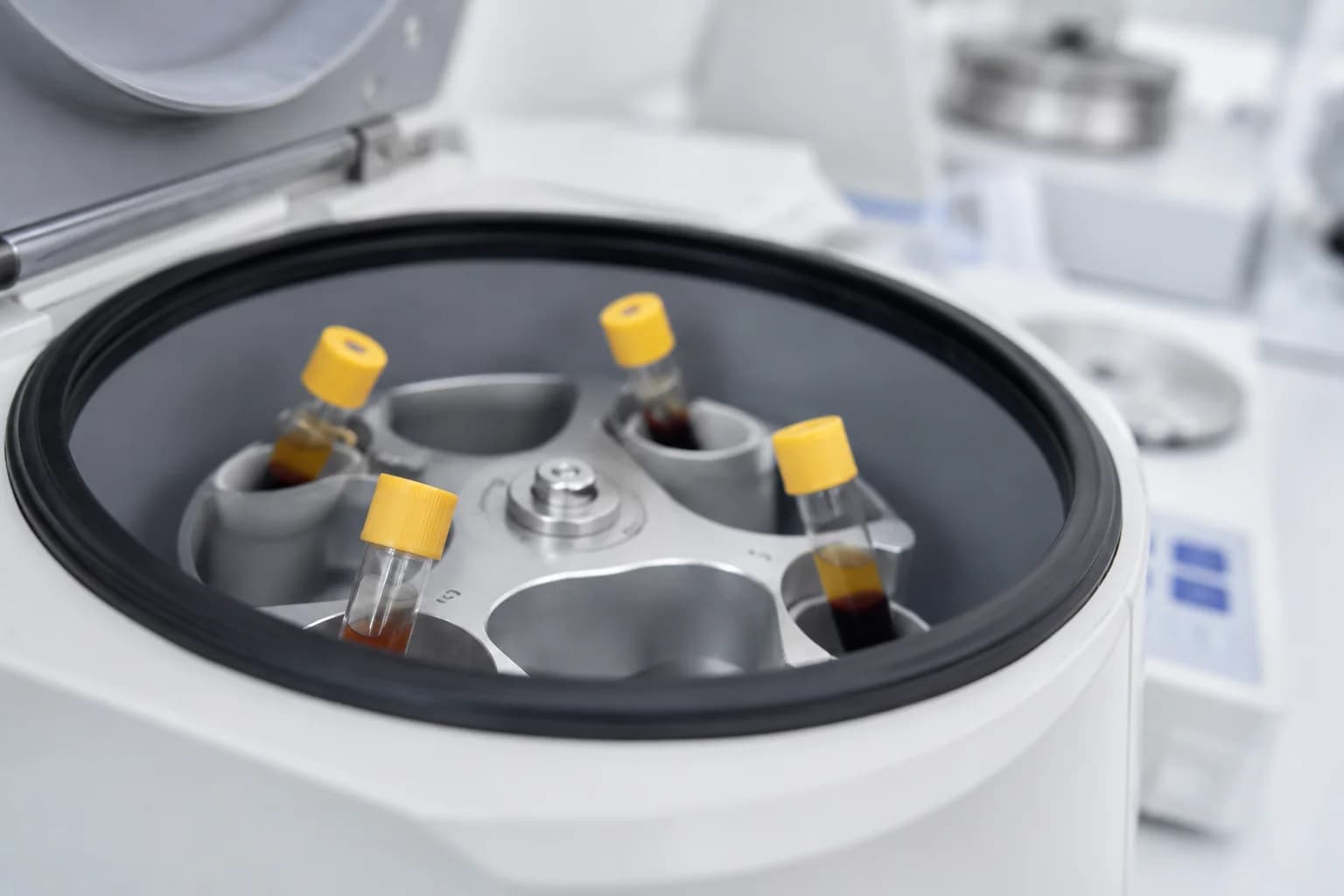
A hair transplant physically transplants hair follicles from a donor area into another on the scalp, whereas PRP harnesses the patient's blood to stimulate dormant follicles already on the scalp back into action.
The deciding factor in choosing between the two almost always boils down to the presence of viable hair follicles in the affected area. PRP requires follicles to stimulate in order to work, whereas a hair transplant works precisely because it doesn't need any to be there already.
Before diving any further, here's a table summarising the key points that matter to most in choosing between the two.
| Factor | PRP Hair Treatment | Hair Transplant |
|---|---|---|
| What it does | Strengthens weakened, dormant follicles | Transplants follicles into bald areas |
| Best for | Early to moderate thinning | Advanced or patterned baldness |
| Surgical procedure | No | Yes |
| Downtime | Hours to a day | 5 to 10 days |
| Results timeline | 3 to 6 months | 12 to 15 months for full result |
| Permanence | Recurring, needs maintenance sessions | Permanent in the transplanted area |
| Cost structure | Recurring, per session or per tube | One-time cost |
| Works on fully bald scalp | No | Yes |
Factor
What it does
PRP Hair Treatment
Strengthens weakened, dormant follicles
Hair Transplant
Transplants follicles into bald areas
Factor
Best for
Factor
Surgical procedure
Factor
Downtime
Factor
Results timeline
Factor
Permanence
Factor
Cost structure
Factor
Works on fully bald scalp
Neither column is objectively the right choice. The right answer is always going to depend on which stage of hair loss the patient is currently at.
Generally, PRP is a better choice for a fairly specific kind of patient, and recognising yourself in this list is a good sign for it being the right conversation starter.
Patients in this category who go with PRP may find they never need to consider surgery at all, particularly when combined with treatments like minoxidil to prolong the effects of the PRP.
Conversely, surgery is obviously the better option in certain situations, and PRP simply isn't designed to address them.
A FUE hair transplant works by taking individual follicular units from a donor area with strong, DHT-resistant hair and planting them into the thinning or bald area, which gives the bald part a permanent source of new hair that PRP alone simply cannot provide.
Directly comparing the sticker price of the two methods is a meaningless exercise, as they're structured completely differently.
| Consideration | PRP | Hair Transplant |
|---|---|---|
| Upfront cost | Lower per session | Higher, paid once |
| Ongoing cost | Needs repeat sessions every few months long-term | None after initial healing |
| Total cost over 5 years | Could potentially accumulate significantly | Generally a single major cost, plus optional touch-ups or maintenance |
| Best value scenario | Early thinning managed consistently over time | Advanced baldness needing permanent treatment |
Consideration
Upfront cost
PRP
Lower per session
Hair Transplant
Higher, paid once
Consideration
Ongoing cost
Consideration
Total cost over 5 years
Consideration
Best value scenario
Patients tend to think PRP is the cheaper choice because the costs per session are lower, but for someone prepared to commit to lifelong maintenance sessions, the total cost could well eclipse a single transplant session. It's here that the value assessment should take place based on what the hair loss needs.
It's worth noting that most comparison articles miss out this nuance entirely. The truth is that PRP and Hair Transplant surgery are not competing options, but rather are often used in tandem.
Asking which is the better option between the two misses the nuance of how these treatments work together to manage an ongoing issue.
A responsible recommendation isn't made based on which of the two methods the clinic is currently promoting the most. It should be an honest assessment of a handful of specific considerations.
Patients considering either option would benefit from looking at mesotherapy and exosome therapy treatment as part of the conversation, since these are other non-surgical options that are selected based on a scalp assessment.
Rather than defaulting to whichever treatment option is currently being promoted the most heavily, the approach here starts with an honest assessment of the scalp.
Not in cases of complete baldness, because PRP stimulates existing follicles and a transplant fills in areas with no follicles at all. The two treatments serve different purposes.
Yes, often to aid the grafts in integrating and to maintain surrounding native hair.
PRP has a lower initial cost per session, but requires maintenance sessions indefinitely. A single higher cost transplant can be a better value in the long run.
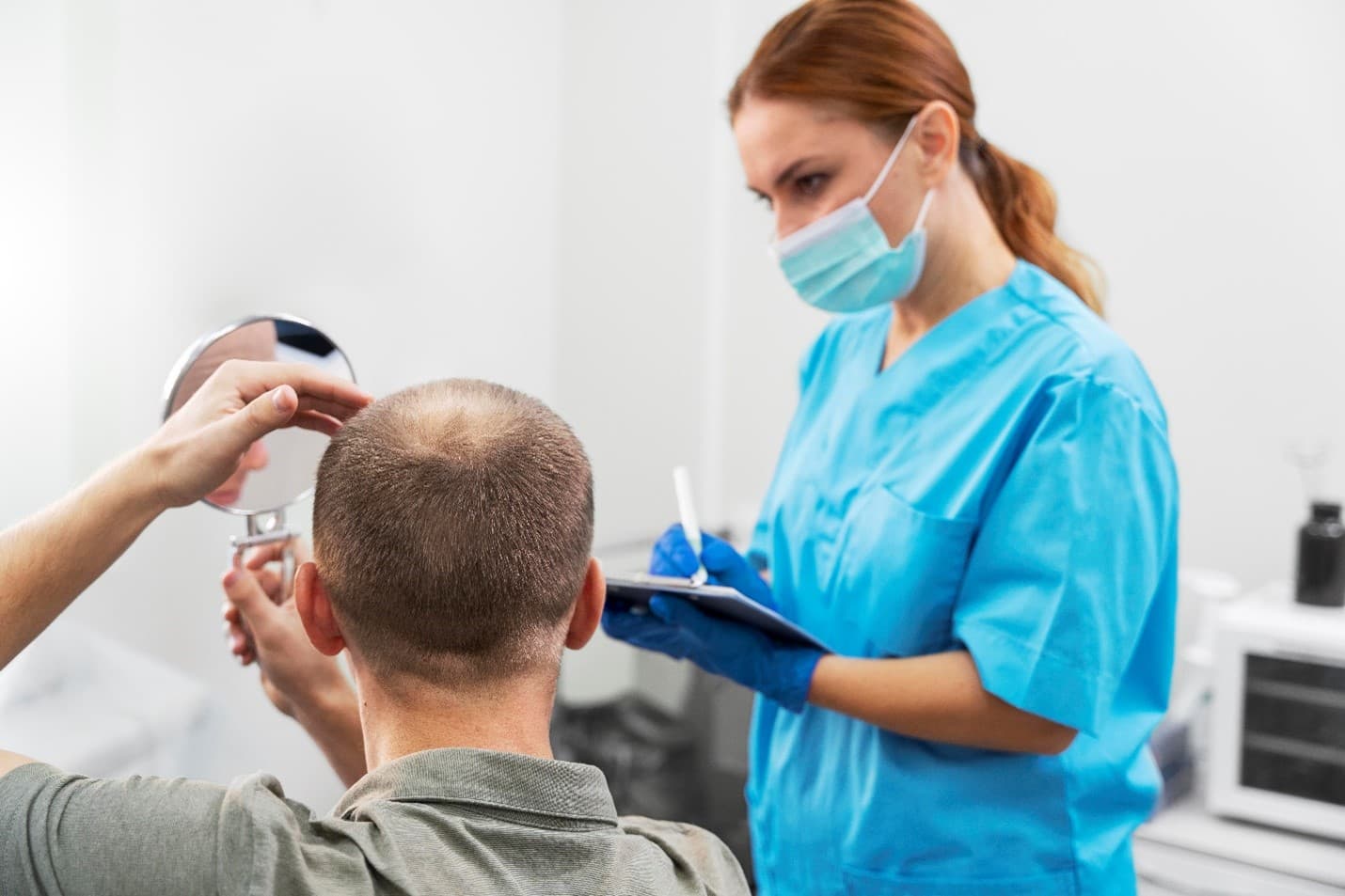
It comes down to whether there are viable follicles in the affected area, which should be assessed with Norwood or Ludwig staging.
For some patients, yes. It's entirely possible to manage early to moderate thinning with PRP without ever having a hair transplant.
The right treatment here isn't a personal preference between two options, it's what the assessment shows as the best fit for the follicles present. A proper assessment will provide the honest recommendation that takes advantage of the scalp's natural ability to respond to one of the treatments or a combination of both. Book a free consultation at Nexus Clinic KL to get an honest recommendation, or message us on WhatsApp if you'd like to ask questions first.
✓ Reviewed by Dr. Ashvinia Bala, Aesthetic Medical Doctor at Nexus Clinic KL.
Real Google reviews from our patients, including those treated for PRP hair treatment.
Guides and answers from our doctors on this treatment.