 Nexus Clinic
Acne Scar Types Explained: Which Treatment Fits?
12 min read


Medically reviewed by Dr. Ashvinia Bala, MBBS (AIMST University), MMC Registration No. 82489 | Last reviewed:
Ice pick scar treatment in Malaysia is an important consideration for many patients, as these distinctive scars tend to be unresponsive to some mainstream acne scar treatments. Named for their narrow, sharp appearance, ice pick scars extend downwards in a manner different to most other acne scar types, meaning that a pico laser treatment or a light peel won't penetrate deeply enough to treat them.

Ice pick scars
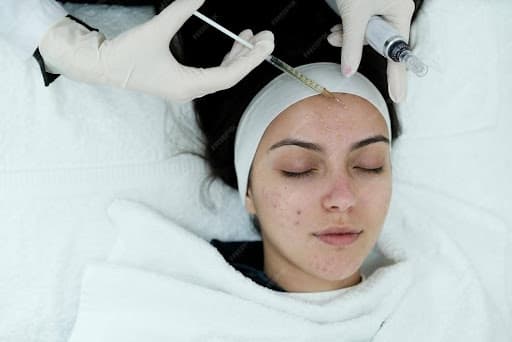
TCA CROSS
Being aware of the factors that contribute to these scars, and the treatment options that are most appropriate, is particularly important compared to most other scarring types found in acne.
Clinical Note
Ice pick scars form when severe inflammatory acne, particularly cysts, destroys collagen structure deep within the dermis, leaving a narrow channel that extends well beneath the visible surface opening. Treatments addressing only the top layers of skin typically cannot reach the depth where the actual damage sits.
These scars display several characteristics that differentiate them from other types of pitted scarring:
TCA CROSS (Chemical Reconstruction of Skin Scars) is the scar treatment method specifically indicated for treating ice pick scars, as it is designed to penetrate downwards rather than across the surface of the skin.
While laser resurfacing is a very effective treatment option for treating a variety of acne scars, there are reasons why it may not be the most effective way to address ice pick scars specifically.
| Type of laser | Why it works for other scars | Why it doesn't work for ice pick scars |
|---|---|---|
| Fractional laser | Resurfaces the skin and encourages collagen production | Targets the tissue across the skin surface rather than downwards |
| Pico laser | Effective for pigmentation and superficial textural irregularities | Doesn't penetrate deeply enough to address the actual channel of an ice pick scar |
| TCA CROSS | Generally used in conjunction with laser resurfacing | Delivered straight into the channel of the scar rather than across the wider surface |
Type of laser
Fractional laser
Why it works for other scars
Resurfaces the skin and encourages collagen production
Why it doesn't work for ice pick scars
Targets the tissue across the skin surface rather than downwards
Type of laser
Pico laser
Type of laser
TCA CROSS
The reason why this treatment, and this treatment alone, is not effective for this particular type of scarring is a direct consequence of the way in which these scars develop.
As TCA CROSS is generally combined with pico laser for treating ice pick scars, the combined treatment has certain effects on the skin.
The pain associated with this treatment is generally over within around 2 hours, although redness may persist at the treatment site for up to 10 days. Hyperpigmentation and the risk of infection are potential side effects of this treatment, as are the case with most scar treatments, but these are uncommon and should be discussed with your doctor ahead of treatment to assess your individual risk.
There are several considerations to make over the course of the following weeks:
It's important to realise that, while certain treatments are highly effective at addressing these scars, no treatment method guarantees complete removal of the scar. The best possible outcome will depend on several variables and, in any case, significant improvement is generally possible within a relatively short period of time. This is an important distinction to make compared to less severe scars, and should be raised at the time of consultation.
Patients who also have boxcar or rolling scars alongside ice pick scarring may benefit from reading about how pitted acne scars differ by type, as mixed scarring will probably require a combination of treatments rather than TCA CROSS applied to all scarring types.
It's worth being direct about this: no procedure, however well matched to ice pick scars, promises complete elimination. In the best-case scenario, treated scars become significantly less visible, though exactly how much improvement any individual patient sees isn't fully predictable in advance. This is a genuinely different conversation from milder, more superficial scarring, and a doctor should be upfront about that distinction at consultation rather than overselling the result. Supporting the treatment with a proper skincare routine for active acne and post-acne scarring between sessions also plays a real role in how well the skin recovers and holds its results.
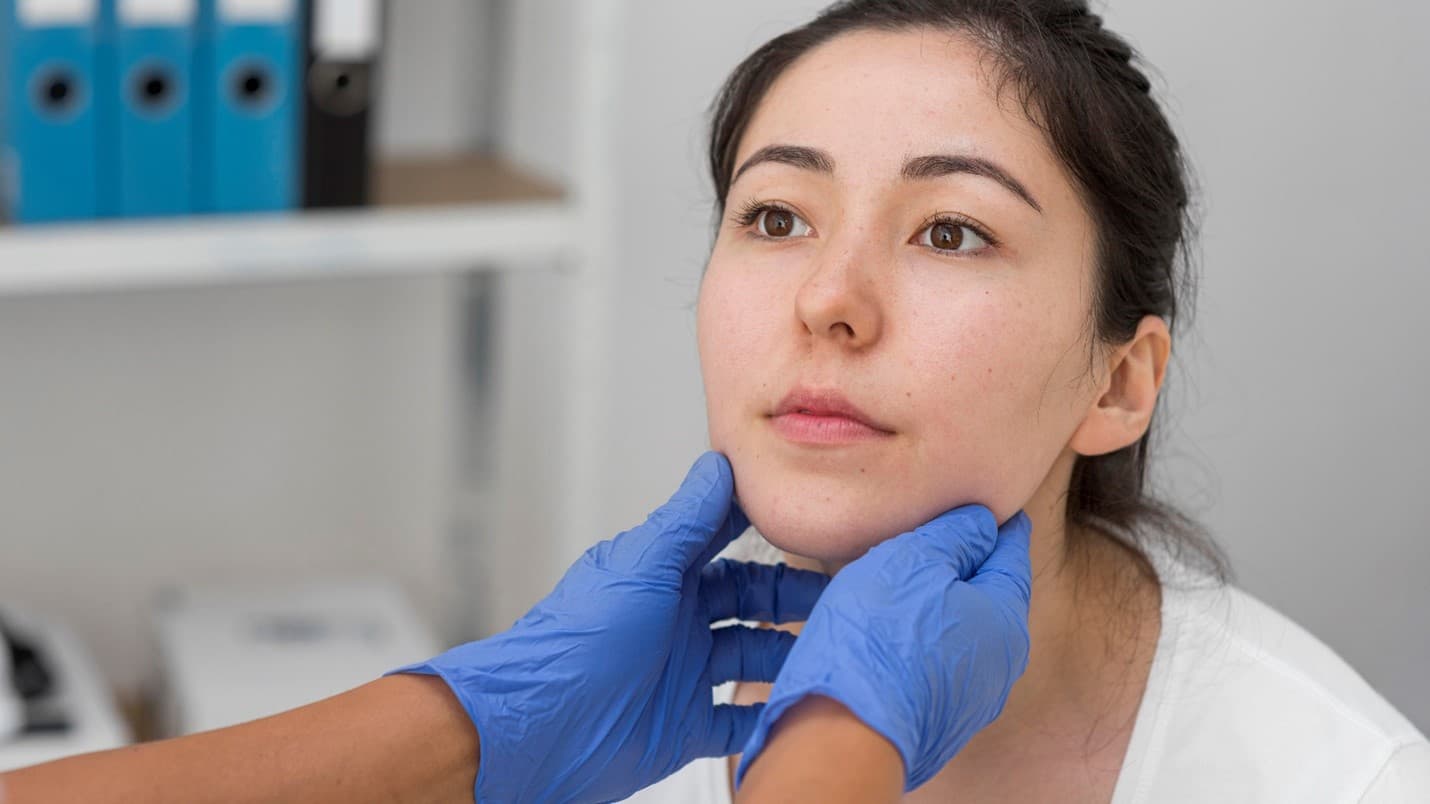
At Nexus Clinic KL, assessment of ice pick scarring involves determining depth and spread of the scars before recommending TCA CROSS, rather than treating all pitted scars in the same way.
A few considerations apply:
Considering what acne scar treatment costs for a full course is a good idea, as ice pick scars frequently require more sessions to address than other types of scarring due to their depth. Those wishing to read more about the types of side effects that occur for most scar treatments may also wish to read our acne scar treatment side effects guide for a more in-depth discussion beyond TCA CROSS.
Complete removal of ice pick scars is uncommon, as they generally extend quite deeply into the skin. Significant improvement, however, is a realistic outcome following treatment with TCA CROSS and pico laser.
Laser resurfacing is a broad-surface treatment, while ice pick scars extend downwards in a narrow channel, meaning that TCA CROSS - a treatment applied directly into the channel of the scar - is more effective for this particular type of scarring.
Initial improvement following treatment is generally noticeable within 7-10 days, although ongoing improvement will take place for several weeks.
The pain following the treatment is generally short-lived, with most patients finding that the discomfort subsides within a couple of hours, although redness at the treatment site may last for up to 10 days.
Avoiding aspirin or blood-thinning medications for 2 weeks prior to the procedure, stopping retinol products 2 weeks before and avoiding smoking in the period preceding treatment will all improve outcomes.
Boxcar or rolling scars can often be treated alongside ice pick scars, with TCA CROSS used for the latter and other treatment methods, such as subcision, used for the former.
Ice pick scars require a treatment method that specifically addresses the way in which the scar extends, rather than a more general approach that may be useful for other scarring types. An assessment determines the most appropriate method of treatment. Book a scar assessment or message us on WhatsApp to determine whether TCA CROSS is an appropriate treatment for your scars.
✓ Reviewed by Dr. Preetha Nair, Aesthetic Medical Doctor at Nexus Clinic KL
Real Google reviews from patients who came to Nexus Clinic for acne scar treatment.
Guides and answers from our doctors on this treatment.