 Nexus Clinic
Acne Scar Types Explained: Which Treatment Fits?
12 min read


Medically reviewed by Dr. Ashvinia Bala, MBBS (AIMST University), MMC Registration No. 82489 | Last reviewed:
“The pits” is the phrase most patients would use for themselves, and with good reason – the depressions in the skin associated with boxcar, ice pick and rolling scars certainly resemble a pit, albeit with several variations between the different types of scarring. Acne scar treatment for pitted scarring, however, is rarely as straightforward as it may appear, and each depression is the result of a slightly different mechanism occurring beneath the skin.

Pitted scar assessment
Ice pick, boxcar, rolling
Scar treatments relying on a single generic approach have limited efficacy when it comes to pitted scarring specifically because the depth, edges and the manner in which the surrounding tissue is bound to the pit itself differ between the three main pitted scar subtypes.
Clinical Note
Pitted scars present when inflamed acne damages the skin's underlying collagen during the healing process, leaving a depression instead of a flat marking. The depth and shape of the depression (narrow and deep, wide and sloping, or sharply-defined) dictates which of the three types of pitted scars is present and what scar treatment will provide the best efficacy.
| Type | Appearance | Depth Pattern |
|---|---|---|
| Ice pick | Narrow, deep, puncture-like | Very deep, small opening |
| Boxcar | Wide, defined edges, box-shaped depression | Shallow to moderate, consistent depth |
| Rolling | Broad, sloping, wave-like depression | Shallow to moderate, soft undulating edges |
Type
Ice pick
Appearance
Narrow, deep, puncture-like
Depth Pattern
Very deep, small opening
Type
Boxcar
Type
Rolling
Some patients even present a mix of the three, across their entire face, and this is why generic single-approach scar treatments often prove disheartening.
When it comes to treating ice pick scars, the unique presentation of narrow and deep indentation with a small surface opening means that superficial treatments, such as a single pico laser session or a light peel, are rarely sufficient.
Ice pick scars typically require a more aggressive, targeted approach:
As opposed to rolling scars, boxcar scars feature more prominent, clearly-defined edges that dictate the visible shadowing associated with the deformity. Scar treatment for boxcar scarring, therefore, is more focused on softening those edges and filling the depression. This is a twofold process:
Rolling scars are different from the other two in terms of their mechanism – fibrous bands often restrict the skin beneath a rolling scar, pulling the surface down to create the characteristic wave-like appearance. As such, rolling scars tend to respond best to subcision, a procedure designed to directly address the issue of tethered tissue rather than simply resurfacing the skin over the area.
| Scar Pattern | Primary Treatment | Supporting Treatment |
|---|---|---|
| Deep, narrow ice pick | TCA CROSS | Pico laser for surrounding pigmentation |
| Defined-edge boxcar | RF microneedling | Fractional laser for blending |
| Broad, sloping rolling | Subcision | Fractional laser for surface refinement |
| Mixed pitted scarring | Combination of above | Sequenced across multiple sessions |
Scar Pattern
Deep, narrow ice pick
Primary Treatment
TCA CROSS
Supporting Treatment
Pico laser for surrounding pigmentation
Scar Pattern
Defined-edge boxcar
Scar Pattern
Broad, sloping rolling
Scar Pattern
Mixed pitted scarring
A single, generic treatment protocol rarely addresses the issues associated with pitted scarring, and this is the primary reason why treatments for pitted scarring are rarely uniform across a single individual. A protocol that exclusively makes use of pico laser, for example, can improve the pigmentation around pitted scars while leaving the actual depression largely unchanged. This is the reason behind some patient disappointment when an incorrect treatment approach is followed at the onset of scar treatment.
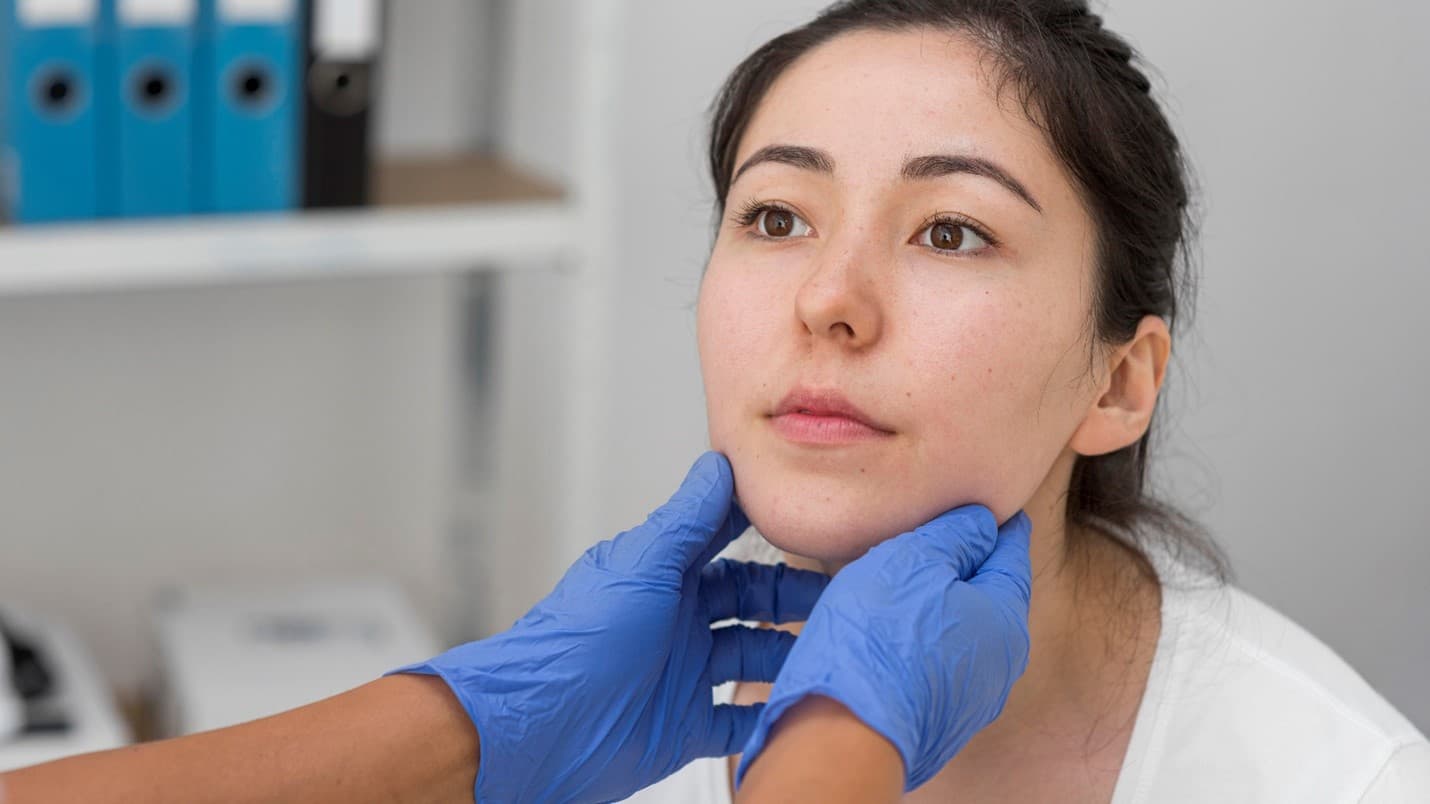
Prior to recommending any specific combination of treatments, a scar assessment will typically look at the following:
Pitted scars, and especially deep ice pick scarring, are difficult textural concerns to resolve. Some things to consider before undergoing pitted scar treatment:
At Nexus Clinic, pitted scar treatment begins with determining what type, or combination of types, of pitted scarring are present rather than recommending a single treatment approach for all patients presenting “pitted” scarring. The following details how pitted scar treatment approaches are determined:
Understanding what a full scar treatment course typically costs is also important for pitted scarring specifically, as mixed or deep scarring often requires a more involved, combined protocol compared to mild textural concerns.
Complete removal of ice pick scars is uncommon, due to the nature in which this type of pitted scarring develops beneath the skin. However, visible improvement with TCA CROSS combined with pico laser is a realistic outcome.
Boxcar scars possess clearly-defined edges and a box-like depression while rolling scars tend to slope gradually and have a wave-like appearance, caused by the tissue beneath being tethered to deeper layers beneath the skin.
No – subcision is specifically indicated for rolling scars with tethering. Ice pick scars typically require TCA CROSS, while boxcar scarring benefit from RF microneedling or fractional laser treatment rather.
This depends on the type of pitted scarring, though most combination treatment protocols for pitted scarring involve multiple visits.
Yes – mixed pitted scarring is common, and a proper assessment will map out the types of pitted scarring present, including a sequenced approach where applicable.
Pico laser is primarily indicated in pigmentation and very superficial textural concerns, and does not have an effect on the structural integrity of collagen. As such, it is often combined with a more appropriate procedure for the management of pitted scarring, such as subcision or TCA CROSS.
Pitted scars respond to treatment only in line with the type of pitted scarring, and a proper scar mapping assessment is necessary to determine the most appropriate approach. Book a scar assessment or message us on WhatsApp to find out what pitted scar types you're faced with and what combination will be most beneficial.
✓ Reviewed by Dr. Preetha Nair, Aesthetic Medical Doctor at Nexus Clinic KL
Real Google reviews from patients who came to Nexus Clinic for acne scar treatment.
Guides and answers from our doctors on this treatment.