 Nexus Clinic
Acne Scar Types Explained: Which Treatment Fits?
12 min read


Medically reviewed by Dr. Ashvinia Bala, MBBS (AIMST University), MMC Registration No. 82489 | Last reviewed:
Rolling scars are characterised by a distinct appearance, a gently rippling depression of the skin rather than a sharply defined pit as seen in other scar types. This softness and gentle contour is actually a clue to what is happening beneath the skin, fibrous bands pulling the surface downwards into deeper tissues.

Rolling scars
Subcision
This mechanically-caused indentation is what differentiates rolling scars from almost all other scarring patterns, which is why a treatment purely targeting the surface of the skin, such as a laser or acid peel, often disappoints those who have genuinely tethered rolling scars.
Clinical note
Rolling scars often form fibrous bands underneath the skin causing a depression, and these are often not addressed with surface treatment. Surface-only resurfacing lasers will have minimal improvement on tethered rolling scars until the underlying tether is addressed.
Not all rolling scars are tethered, some are simply a broad area of collagen loss without an underlying fibrous band, and this makes a difference to what treatment will be successful.
An accurate assessment will usually confirm this before treatment commences, since subcision, the mainstay of treatment for truly tethered scars, isn't needed or effective for rolling scars.
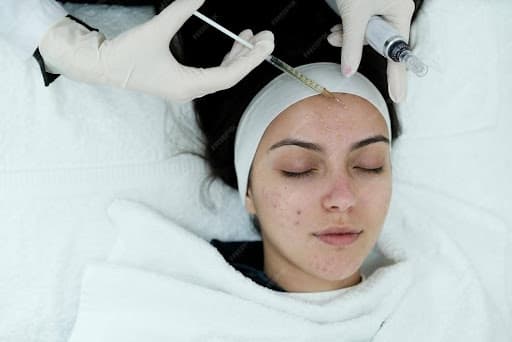
Subcision works mechanically rather than with light or acid, a fine needle is used to free fibrous bands tethering the skin to deeper tissues, allowing the depression to lift as the body fills the newly released pocket with collagen.
A resurfacing laser or acid peel remodels collagen across the surface, an effective treatment for scars with collagen loss alone. However, a rolling scar with a fibrous band underneath it will simply return to its depressed state once the surface heals, since the laser never addressed the underlying issue.
This is a frequent cause of disappointment for patients who've had laser resurfacing performed when their scar simply required subcision first. Acne scar treatment that properly accounts for this will sequence subcision followed by resurfacing or concurrent laser, rather than laser alone and hoping that tethered scars behave like normal collagen loss.
| Scar type | Underlying cause | Primary treatment |
|---|---|---|
| Rolling | Fibrous tethering pulling skin downwards | Subcision, with possible fractional laser |
| Boxcar | Collagen loss with sharply defined edges | RF microneedling plus fractional laser |
| Ice pick | Deep narrow channel from inflammation | TCA CROSS applied into the scar |
Scar type
Rolling
Underlying cause
Fibrous tethering pulling skin downwards
Primary treatment
Subcision, with possible fractional laser
Scar type
Boxcar
Scar type
Ice pick
Patients with more than one of these types (which is the norm rather than the exception) benefit from understanding how pitted acne scars differ by type before assuming one technique will address everything they see in the mirror.
The recovery pattern from subcision is unlike other resurfacing treatments, which can catch some patients unprepared if they're expecting the same aftermath as a laser treatment would cause.
When subcision is followed by the fractional laser as a secondary procedure, that portion of the recovery more closely matches what one might expect for laser resurfacing, though there will still be several days of persistent redness and sun protection is critical for several weeks after treatment to avoid new pigmentation in the treated area.
Rolling scars, particularly well-tethered ones, tend to respond well to properly sequenced treatment, rolling scars are often one of the easier scar types to treat when subcision is employed. However, complete resolution of irregularities isn't always the outcome, significant lifting of the depression is the more realistic expectation from the outset. Patients who want a wider understanding of what to expect from further resurfacing treatment (the surface portion of treatment in a subcision followed by laser protocol) can read our own guide to laser resurfacing for acne scars, which will discuss benefits, side effects and aftercare for that portion.
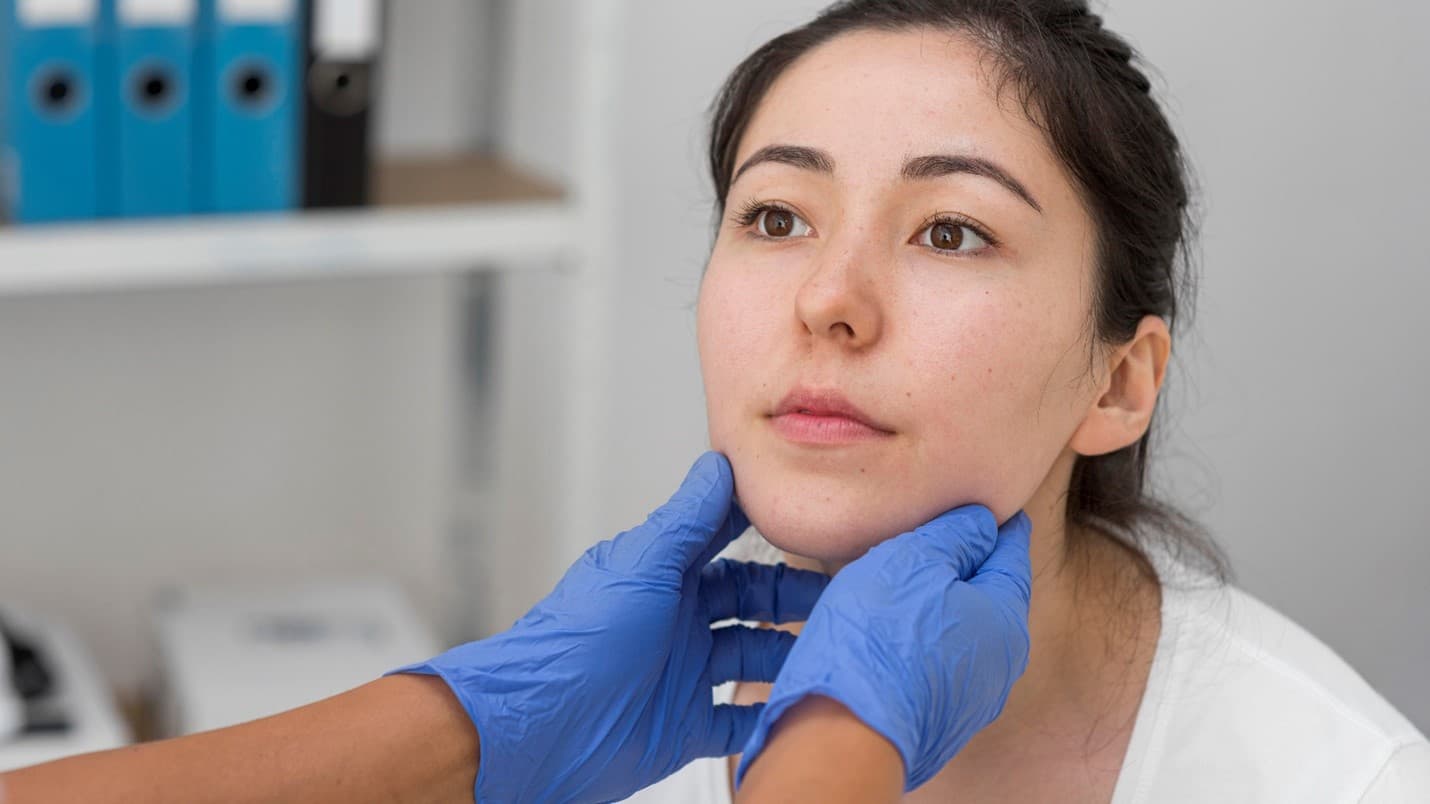
At Nexus Clinic, rolling scar assessment includes whether true tethering is present before recommending subcision, since not all rolling scars have the tethering fibrous bands. A few specifics:
Understanding what a full course of acne scar treatment typically costs is worth noting for rolling scars specifically, since the combination of subcision and follow-up laser sessions often spans a longer time frame than a single-modality approach.
A stretch test where the rolling scar decreases in prominence when the surrounding skin is pulled taut is an indicator of underlying tethering that subcision specifically addresses. A proper assessment is a more reliable indicator.
If the rolling scar is caused by fibrous tethering beneath the skin surface, surface-only resurfacing doesn't address the underlying issue and the depression is likely to recur once the surface heals, which is why subcision is necessary first.
Patients tolerate it well under local anaesthesia, though mild tenderness and bruising is expected as part of the normal healing process.
Typically 1-3 weeks, which is a normal part of the mechanical release process.
Yes, mixed scarring including rolling scars, boxcar scarring, and ice pick scarring together are common and a proper assessment will sequence subcision alongside other techniques to treat each specific scar type present.
Patients tolerate it well under local anaesthesia, though some tenderness and bruising is expected as part of the normal healing process.
This varies depending on the extent of tethering, though subcision is often repeated since fibrous bands can be uneven and extend throughout a wider area being treated for rolling scars.
Rolling scars respond best when the underlying fibrous tethering is addressed, not merely resurfacing the surface. A proper assessment is necessary to determine what is happening beneath your skin before treatment is recommended. Book a scar assessment at Nexus Clinic, or message us on WhatsApp to determine whether subcision is right for your rolling scarring.
✓ Reviewed by Dr. Preetha Nair, Aesthetic Medical Doctor at Nexus Clinic KL
Real Google reviews from patients who came to Nexus Clinic for acne scar treatment.
Guides and answers from our doctors on this treatment.