Nexus Clinic
Fungal Acne in Malaysia: Causes, Symptoms & Doctor-Led Treatments
10 min read


Medically reviewed by Dr. Ashvinia Bala, MBBS (AIMST University), MMC Registration No. 82489 | Last reviewed:
Hormonal acne is frequently addressed as a more persistent form of acne that typically requires stronger medication or more aggressive treatment, but the nature of the imbalance informing the condition requires a more nuanced approach.
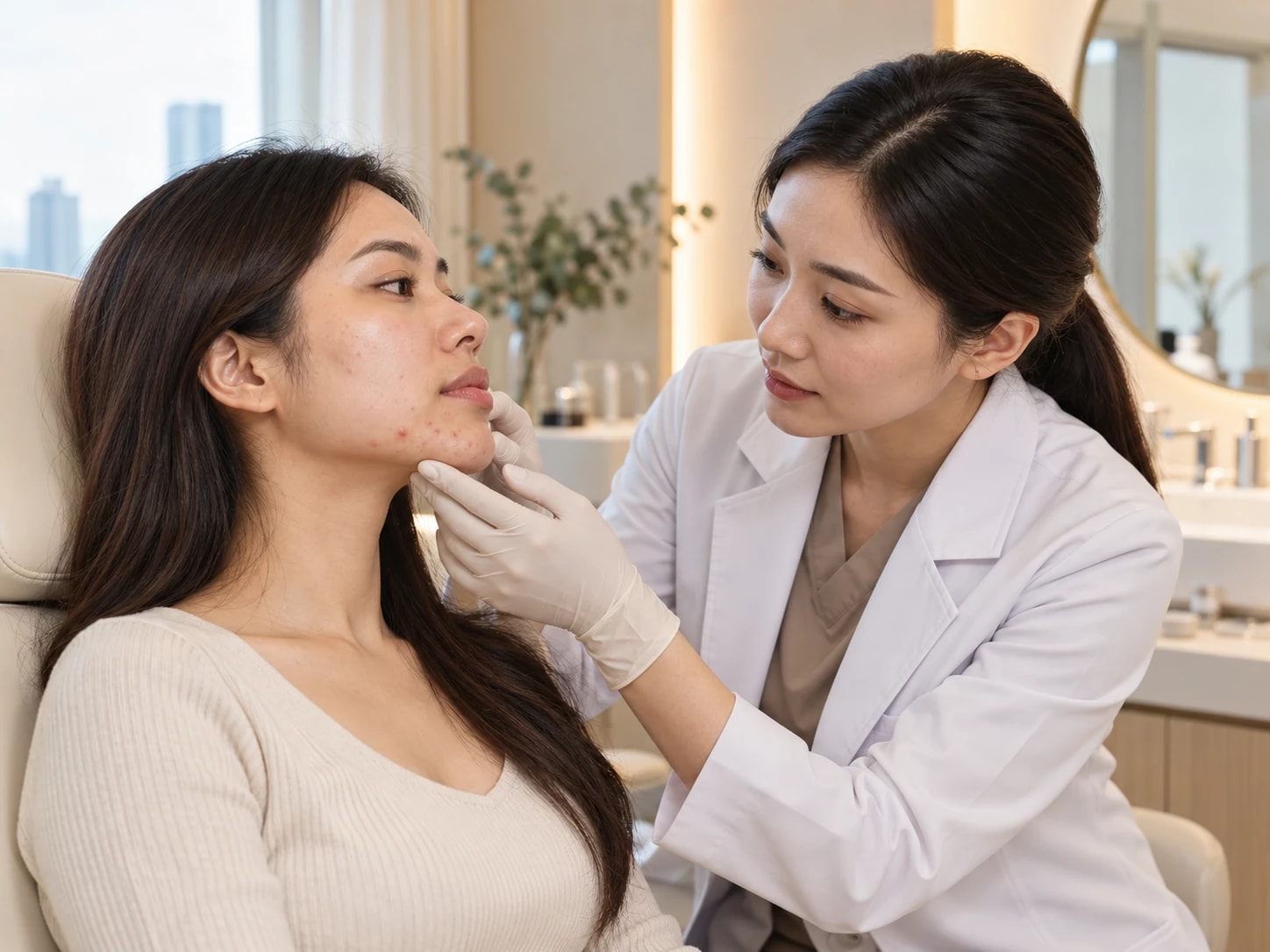
Hormonal acne
Treating the trigger
Acne treatment that ignores the role of hormones in persistent breakouts can yield only temporary improvement. This page focuses on the particular properties of a hormonal acne breakout and potential approaches for managing them.
Clinical Note
Hormonal acne is stimulated primarily via androgen activity informing sebaceous glands, frequently alongside insulin resistance or increased cortisol, and thus tends to require combined hormonal and skin-focused treatment.
Not all persistent breakouts are hormonally informed, and the specific properties of a breakout can help identify those that are.
Several distinct hormonal irregularities frequently occur alongside acne, and a hormonal evaluation can help identify which one is present.
| Cause | Properties | Impact on Skin |
|---|---|---|
| Increased androgen production | Direct stimulation of sebaceous glands to produce more oil | Jawline pimples, sometimes with unusual hair growth |
| PCOS | Hormonal irregularity that occurs alongside insulin resistance | Jawline pimples, irregular periods, thinning hair |
| Increased cortisol levels, stress | Stress hormones increase oil production and inflammation | Acne flares up at unusual times, frequently alongside stress |
| Menstrual cycle fluctuations | Hormonal changes preceding a period | Menstrual cycle regularly associated with acne |
| Perimenopausal changes | Reduced hormone production preceding menopause | Patients in this age group frequently develop new acne |
Cause
Increased androgen production
Properties
Direct stimulation of sebaceous glands to produce more oil
Impact on Skin
Jawline pimples, sometimes with unusual hair growth
Cause
PCOS
Cause
Increased cortisol levels, stress
Cause
Menstrual cycle fluctuations
Cause
Perimenopausal changes
Female patients with persistent jawline pimples who also experience irregular periods or other PCOS-related symptoms frequently have PCOS as the underlying culprit, which informs the treatment pathway.
Topical treatments manage the visible effects of acne, but do little to address the biochemical drivers behind a breakout. This is why hormonal acne frequently responds well enough to topical treatments to appear improved, but then quickly returns when the treatment is discontinued or the skin becomes accustomed to it.
Some signs that a patient may need more than topical treatments alone:
Managing hormonal acne usually involves two components: skin treatments to manage breakouts and a hormonal assessment to identify the underlying cause of the irregularity.
Hormonal irregularities rarely manifest exclusively in one area of the body. Female patients with hormonal acne frequently experience symptoms affecting the hair, as a shared contributor to both conditions. If this has occurred, the female hair loss treatment guide provides additional information on addressing both conditions in concert.
Hormonal acne rarely responds to treatment as quickly as standard acne, and setting realistic expectations is critical to ensuring patient satisfaction.
| Therapeutic Approach | Expected Timeline | Comments |
|---|---|---|
| Topical treatments alone | 6 to 8 weeks | Usually insufficient against hormonal acne |
| Combined with skin treatments | 2 to 3 months | Improvement usually appears as the skin begins to respond to the new regimen |
| Addressing an underlying hormonal irregularity | 3 to 6 months, possibly longer | Patients generally begin to see improvement within the first 2 to 3 months |
Therapeutic Approach
Topical treatments alone
Expected Timeline
6 to 8 weeks
Comments
Usually insufficient against hormonal acne
Therapeutic Approach
Combined with skin treatments
Therapeutic Approach
Addressing an underlying hormonal irregularity
Nexus Clinic KL assesses hormonal acne by noting the pattern of the pimples, their location around the jaw and chin, and whether they appear to be occurring around menstruation rather than following a strictly random pattern.
The consultation process includes a discussion of the patient’s menstrual cycle, the treatments they have tried and their general response to acne treatments.
Most hormonal acne is evident from the pattern of pimples, with large red bumps clustering around the jawline, and occurring either near the time of menstruation or without apparent trigger. For a definitive diagnosis, consult a skin care professional.
It depends on the cause. Acne that appears to be triggered by a passing hormone fluctuation may cease to occur after the hormone settles, but persistent hormonal acne is likely to continue to occur until the underlying issue is resolved.
In many cases, yes. A hormonal assessment is typically performed for patients with persistent, treatment-resistant acne, particularly when they also exhibit other symptoms of hormonal irregularity.
It is much more common in women, but men can also experience hormonal acne, as they are still subject to androgen activity, and other hormonal irregularities such as PCOS do occasionally occur.
If hormonal acne is being treated with only topical treatments, it is likely to always recur, as those only address the effects of the condition, not the root cause.
It can be, as both are frequently caused by the same androgen irregularity. As such, patients with hormonal acne and evidence of female pattern hair loss may wish to consider simultaneous treatment for both conditions.
Hormonal acne requires addressing the underlying cause, whether it is irregular androgen production, PCOS or another condition that affects the hormone balances that cause acne. Book a consultation at Nexus Clinic or contact us via WhatsApp to learn more about the source of your hormonal acne.
✓ Reviewed by Dr. Preetha Nair, Aesthetic Medical Doctor at Nexus Clinic KL
Real Google reviews from patients who came to Nexus Clinic for acne treatment.
Guides and answers from our doctors on this treatment.