 Nexus Clinic
PRP Hair Treatment vs Hair Transplant in Malaysia Which One Actually Works for You
9 min read


Medically reviewed by Dr. Ashvinia Bala, MBBS (AIMST University), MMC Registration No. 82489 | Last reviewed:
Both treatments do actually work. That is the surprising thing about this comparison. PRP has reputable studies showing improvement in density and count, and a hair transplant has decades of history as the definitive solution. Neither are a scam, neither are snake oil, and the question should be asked of which is appropriate for the stage of hair loss you are currently experiencing.

Transplant or PRP?
Matched to your stage
This topic has been covered in greater depth in an earlier post on PRP hair vs hair transplant treatment in Malaysia, but the summary deserves it's own section here, for easy comparison:
A hair transplant is a surgical procedure. Follicular units, small clumps of one to four hairs, are removed from a donor area and moved to the targeted, balding region. Once there, they will grow in the new location, as if they had been on their permanent spot all along.
PRP, or platelet-rich plasma, requires a small donation of blood to be processed in a centrifuge, to generate platelet-rich plasma to be injected into the scalp. This stimulates existing follicles, improving the quality of hair that may be present, but without growing anything new.
That, in fact, is the biggest difference between the two treatments - moving hair and stimulating hair.
| PRP Hair Treatment | Hair Transplant | |
|---|---|---|
| Type of procedure | Non-surgical injections | Surgical, requires anaesthesia |
| Best suited for | Early stage thinning, weakened follicles | Established bald patches, advanced loss |
| Results | Improved thickness and density, not new hair | Genuinely new, permanent hair coverage |
| Downtime | None, back to normal activity same day | 1 to 2 weeks of recovery |
| Number of sessions | Multiple sessions, ongoing maintenance | Typically one procedure, occasionally staged |
| Permanence | Temporary, requires top ups to maintain | Permanent for the transplanted hair |
| Cost | Lower per session, but ongoing | Higher upfront, one time cost |
Type of procedure
PRP Hair Treatment
Non-surgical injections
Hair Transplant
Surgical, requires anaesthesia
Best suited for
Results
Downtime
Number of sessions
Permanence
Cost
Notice how PRP wins out in terms of accessibility, downtime and entry cost, while a transplant wins in terms of permanence and ability to actually restore hair to bald patches. Neither win the race, because they are not really solving the same problem.
One of the most common misunderstandings about the differences between the two is that PRP stimulates follicles that are already there. If a patch of scalp has been completely bald for a long time, the follicles there have typically stopped functioning completely and no amount of growth factor injection will bring back something that is not there to be stimulated.
This is why PRP tends to be recommended for:
But why is a transplant a better option if:
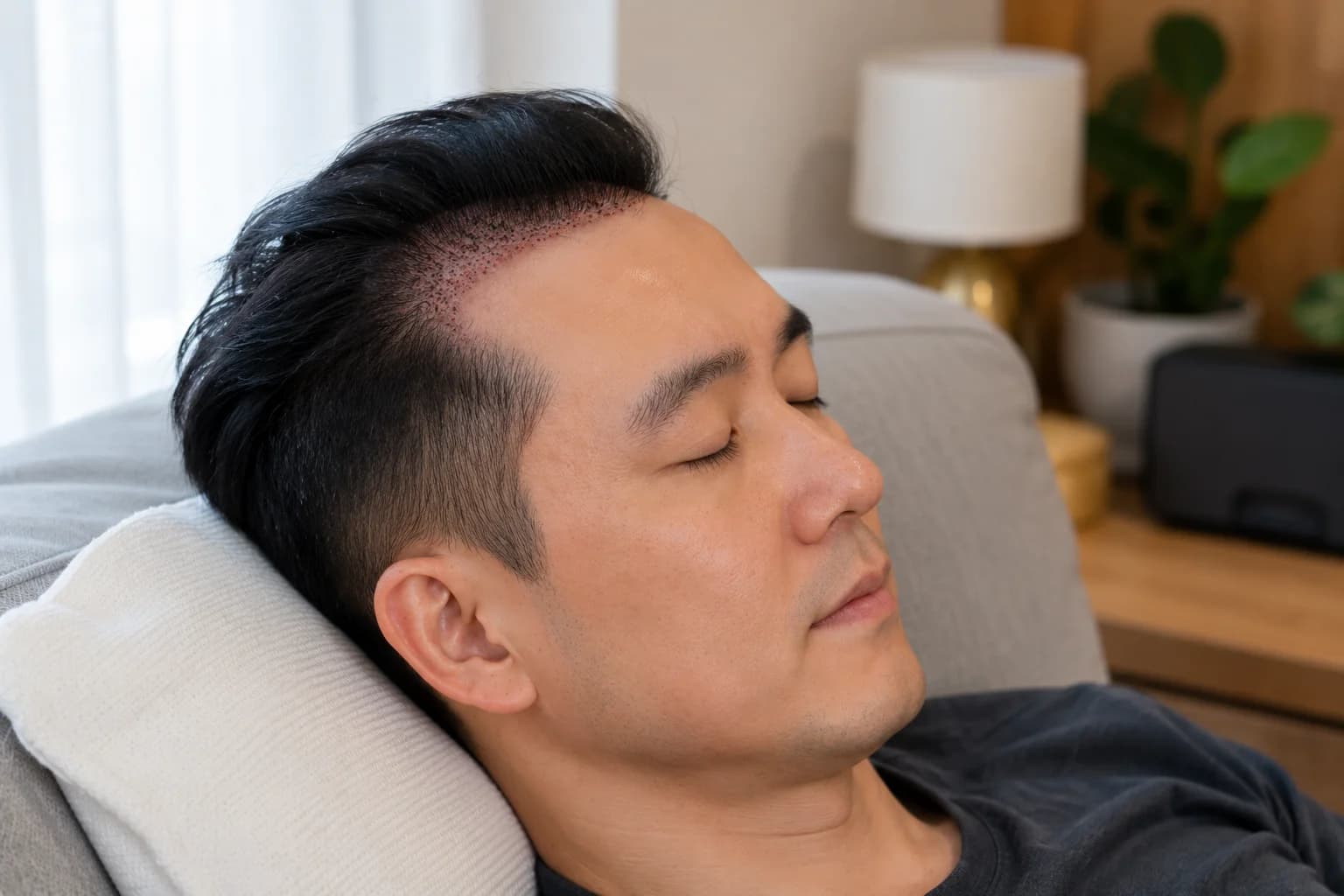
One point that is often lost in "PRP vs transplant" discussions is that the two are frequently used together, rather than as an either-or choice. PRP is commonly recommended after a FUE hair transplant procedure to strengthen the native hair around the newly transplanted area, and during the healing period to allow graft survival. A transplant replaces what was lost, while PRP protects what is still there.
We touched on where this combined approach is heading in our piece on stem cell and PRP therapy leading hair restoration in 2026, which discusses how regenerative treatments are being increasingly incorporated into surgical plans rather than being treated as a separate category entirely.
PRP and transplants seldom operate completely independently. Most treatment plans, surgical or not, include ongoing support from minoxidil or finasteride, both of which help keep existing hair from continuing to thin, whether or not surgery or PRP is also done. Patients dealing with diffuse thinning across the whole scalp, rather than a localised patch, may also want to consider mesotherapy, which is delivered in a way that suits widespread thinning particularly well.
Rather than choosing based on which sounds more advanced or which a friend tried, the decision really comes down to what your scalp looks like currently.
At the Nexus Clinic hair treatments hub, this very comparison is the question that comes up in almost every hair loss conversation. Rather than defaulting to whichever treatment is being promoted that month, your scalp is assessed to determine whether follicles in the thinning area are still active, how advanced the loss is, and whether a combination approach would be better that either treatment alone. Many patients start with PRP and revisit surgery later once they have a clearer idea of how their hair loss is progressing, and that is a perfectly reasonable way to approach the decision.
No. PRP works on follicles that are alive but not performing at their best. It cannot regrow hair where follicles have ceased to function altogether.
PRP results need to be maintained with ongoing sessions (usually every few months) while hair transplant results are permanent in the transplanted area.
Yes. PRP is commonly used with or after a transplant to help with graft survival and to thicken the native hair around it.
PRP is cheaper per session, but you have to keep going back over time. A transplant is more expensive up front, but is a one time deal.
It depends if your follicles are still active. The only way to know for sure is to do a proper scalp assessment – you can’t tell just by looking.
No. Most patients return to normal activity the same day, unlike a hair transplant which typically requires one to two weeks of recovery.
The right choice between PRP and a hair transplant depends entirely on your own scalp, not a general comparison chart. Book a free consultation with Nexus Clinic KL, or message us on WhatsApp if you want to talk through your options before deciding.
✓ Reviewed by Dr. Ashvinia Bala at Nexus Clinic KL
Real Google reviews from patients who came to Nexus Clinic for hair transplants.
Guides and answers from our doctors on this treatment.
Nexus Clinic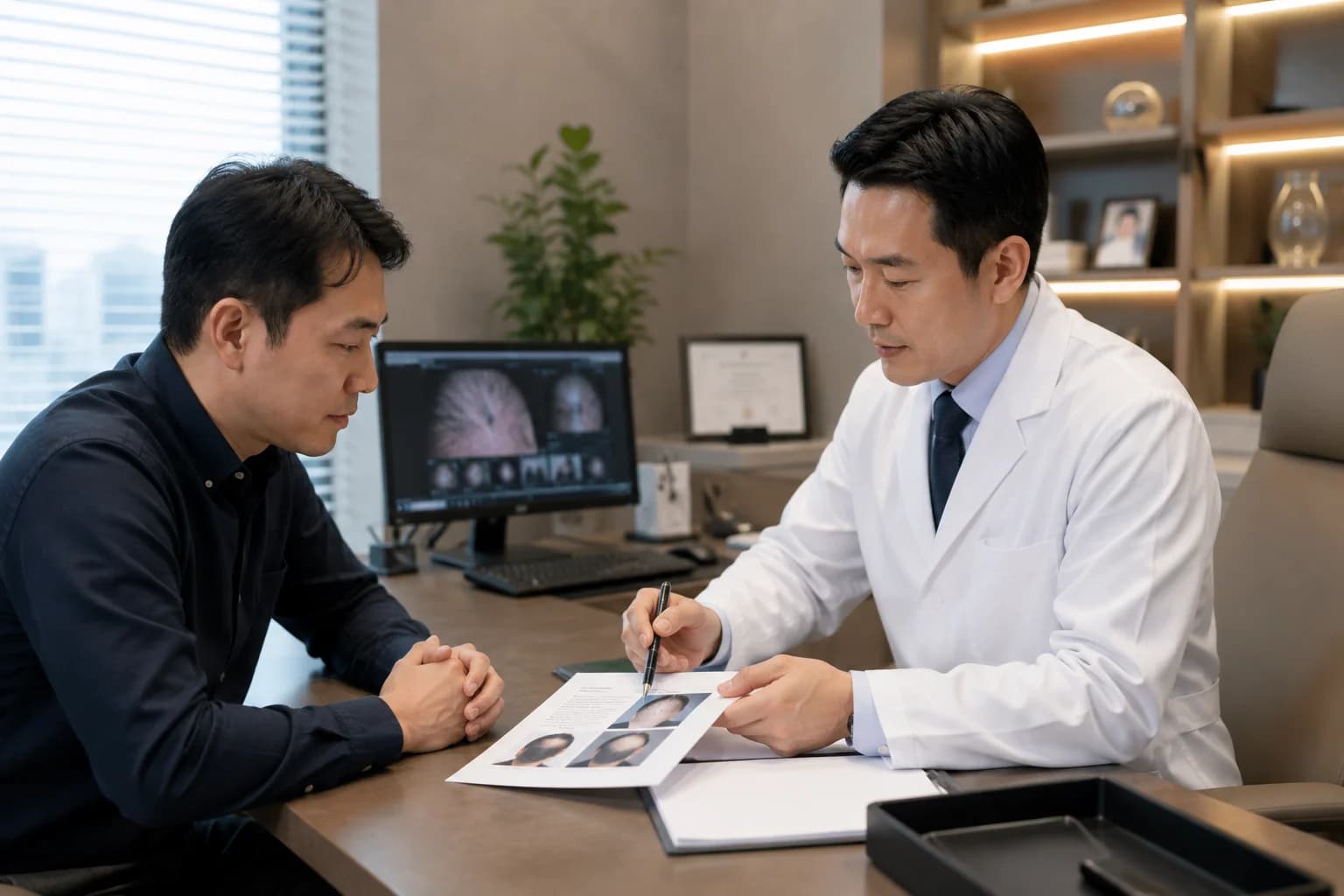 Hair Treatment
 Hair Treatment