 Hair Treatment
Top Myths About PRP Hair Treatment in Malaysia That Are Keeping You From Getting Results
10 min read


Medically reviewed by Dr. Ashvinia Bala, MBBS (AIMST University), MMC Registration No. 82489 | Last reviewed:
Thinning hair and hair loss get used interchangeably, but they're not the same clinical picture, and mixing them up leads to a lot of wasted time on the wrong treatment. Thinning refers to hair strands becoming finer and follicles producing weaker growth cycles. Loss refers to follicles no longer producing hair at all. PRP is built for the first problem, not the second, and understanding that distinction is the difference between a treatment that works and one that never had a real chance to.
Thinning, not loss
Caught while follicles are active
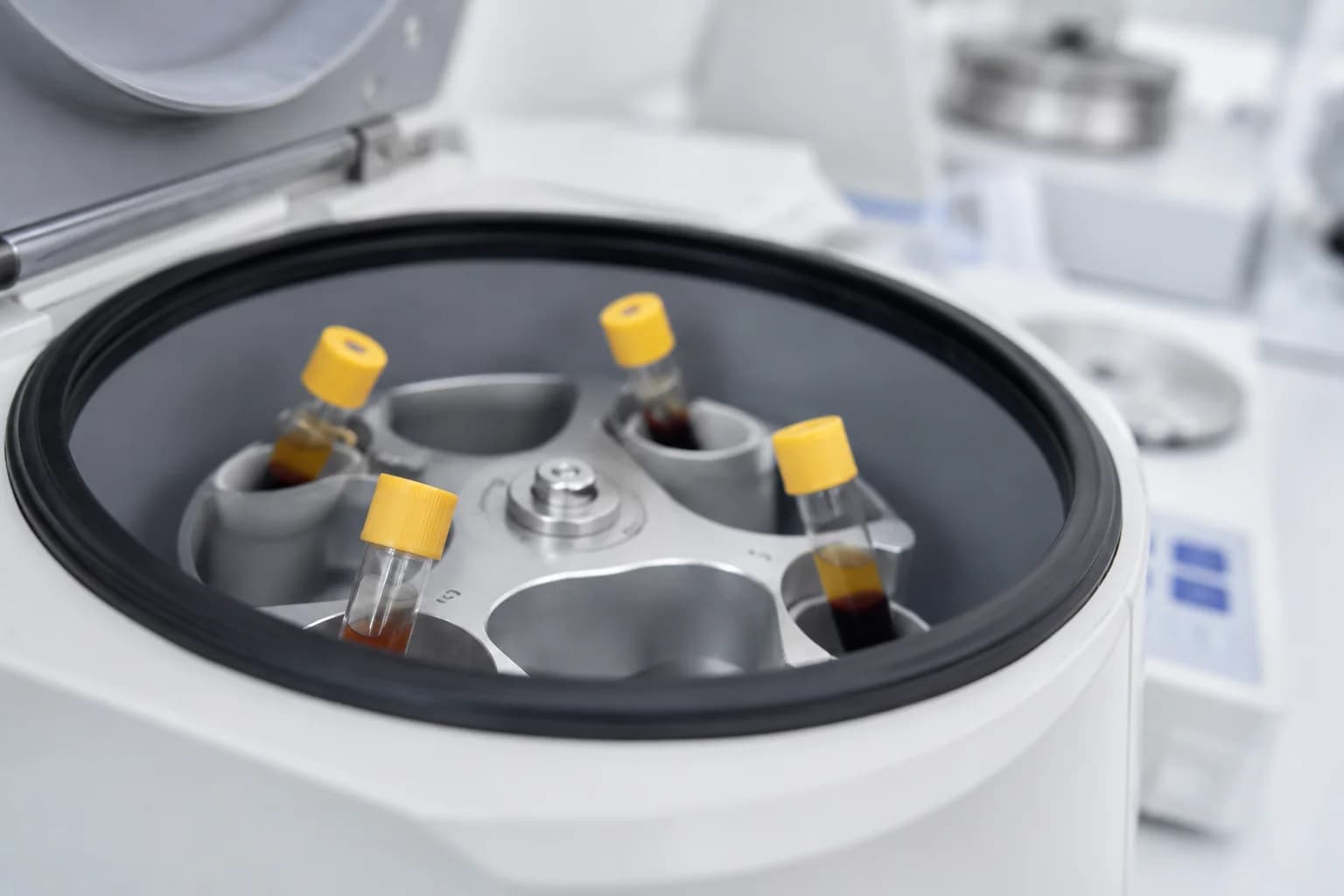
Platelet-rich plasma is drawn from a small blood sample, processed to concentrate its growth factors, then injected back into areas of the scalp where hair has thinned. The growth factors don't create new follicles. They support follicles that are already there but underperforming, extending their active growth phase and improving the thickness of what they produce.
Clinical Note
Hair thinning is measured by follicle miniaturisation and reduced hair diameter, not just visible density loss. A follicle can miniaturise for years before hair loss becomes obvious, which is exactly the window where PRP has the most to work with.
Every hair follicle cycles through growth, rest, and shedding phases. Thinning happens when that cycle gets disrupted, usually in one of a few specific ways:
None of these mean the follicle is dead. They mean it's working at a fraction of its normal capacity, which is precisely the state PRP is designed to intervene in. This is different from scarring alopecia or advanced balding, where the follicle itself no longer exists.
Thinning rarely has one single cause, and figuring out which factors are contributing changes what a treatment plan should actually include.
| Trigger | How It Affects Hair |
|---|---|
| Genetic predisposition | Gradual, progressive miniaturisation over years |
| Nutritional deficiency | Iron, vitamin D, or protein shortfalls weaken the growth cycle |
| Chronic stress | Pushes more follicles into resting phase prematurely |
| Hormonal shifts | Thyroid imbalance, postpartum changes, or perimenopause disrupt cycling |
| Scalp inflammation | Conditions like seborrheic dermatitis interfere with follicle health |
| Excessive styling or heat damage | Weakens the hair shaft, though this affects strand quality more than the follicle itself |
| Certain medications | Some drugs list thinning as a known side effect |
Trigger
Genetic predisposition
How It Affects Hair
Gradual, progressive miniaturisation over years
Trigger
Nutritional deficiency
Trigger
Chronic stress
Trigger
Hormonal shifts
Trigger
Scalp inflammation
Trigger
Excessive styling or heat damage
Trigger
Certain medications
A proper consultation should separate these out rather than assuming genetics is automatically the answer. Thinning caused by an unmanaged nutritional gap or thyroid issue won't respond fully to PRP until that underlying factor is addressed alongside it.
Timing matters more with thinning than almost any other aspect of treatment. The table below breaks down how PRP's effectiveness shifts depending on how far the thinning has progressed.
| Stage of Thinning | Follicle Condition | Expected PRP Response |
|---|---|---|
| Early, subtle thinning | Follicles miniaturising but active | Strong, often the ideal starting point |
| Noticeable diffuse thinning | Reduced density across a wider area | Good response, usually needs a full session course |
| Advanced thinning with visible scalp | Significant miniaturisation, some follicle loss | Moderate response, often needs combination treatment |
| Complete follicle loss in patches | No viable follicles remaining | PRP alone unlikely to help |
Stage of Thinning
Early, subtle thinning
Follicle Condition
Follicles miniaturising but active
Expected PRP Response
Strong, often the ideal starting point
Stage of Thinning
Noticeable diffuse thinning
Stage of Thinning
Advanced thinning with visible scalp
Stage of Thinning
Complete follicle loss in patches
Catching thinning early isn't just a nice-to-have, it's what determines whether PRP alone is enough or whether it needs to be paired with something else. Patients who wait until thinning is obvious in every mirror and photo have generally lost more follicle function than they realise, which is why an assessment sooner rather than later tends to produce better long-term outcomes.
The mechanism matters here. PRP delivers concentrated growth factors, including platelet-derived growth factor and vascular endothelial growth factor, directly into the scalp tissue around existing follicles. These growth factors signal follicles to move from a resting or weakened state back into active, productive growth.
That signalling only works if there's a follicle present to receive it. In areas where follicles have died off entirely, whether from advanced androgenetic alopecia or scarring, there's no structure left for PRP to act on. This is the core reason PRP is described as a thinning treatment rather than a regrowth treatment for bald areas. For patients dealing with genuinely bald patches rather than thinning, an FUE hair transplant addresses a different problem by relocating follicles into areas with none left.
Thinning driven by multiple overlapping factors often responds better to a layered approach rather than PRP in isolation.
Most thinning cases benefit from identifying two or three contributing factors rather than treating PRP as a standalone fix for everything happening on the scalp at once.
Sessions for thinning generally follow a similar structure to other PRP protocols, though the injection pattern is adjusted to cover the diffuse areas typical of thinning rather than a localised bald patch.
Most patients notice reduced shedding first, often within 4 to 6 weeks, with visible improvement in strand thickness and density following over the next few months as follicles complete more full growth cycles.
Treating thinning effectively starts with figuring out what's actually driving it, not defaulting to a standard session package for every patient who walks in describing “thin hair.”
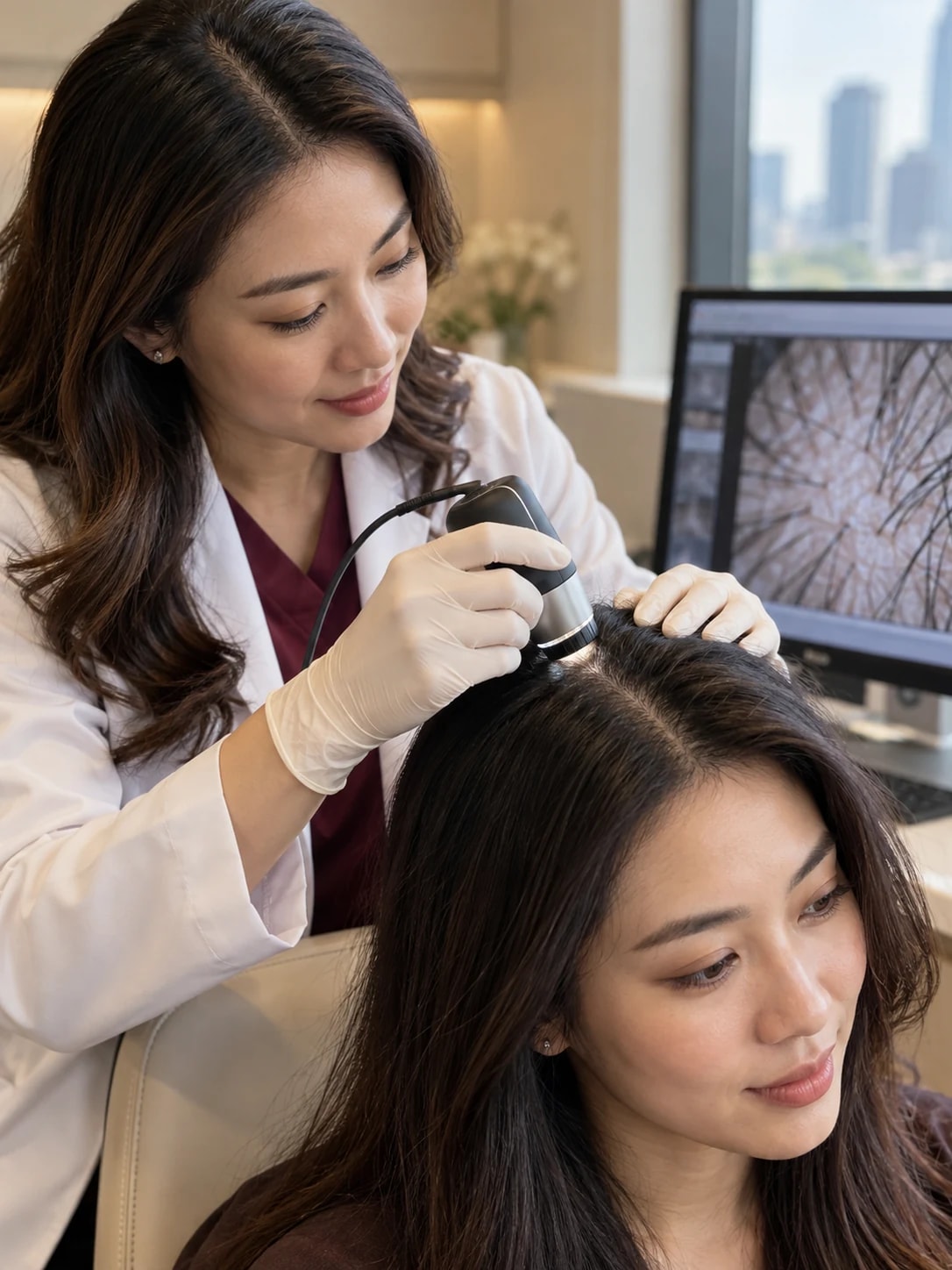
Thinning usually means finer, weaker strands and reduced density with follicles still present. Loss means follicles have stopped producing hair entirely. A scalp assessment can tell the difference more reliably than checking a mirror.
PRP can meaningfully improve density and strand thickness in follicles that are still active, but it won't reverse thinning in areas where follicles have already been lost.
No. Nutritional deficiencies, stress, hormonal shifts, and scalp inflammation can all cause or worsen thinning independently of genetic predisposition.
Reduced shedding is often the first sign, typically within 4 to 6 weeks, with visible thickness and density improvements developing over the following months.
It's worth discussing at consultation, particularly if thinning has developed suddenly or alongside other symptoms, since an underlying nutritional or thyroid issue can limit how well PRP works on its own.
Thinning hair responds best when it's caught early and treated based on its actual cause, not a generic assumption. A proper scalp assessment will tell you whether PRP alone is enough or whether it needs a partner treatment alongside it. Book a free consultation at Nexus Clinic KL to find out what's driving your thinning, or message us on WhatsApp with any questions before booking.
✓ Reviewed by Dr. Ashvinia Bala, Aesthetic Medical Doctor at Nexus Clinic KL.
Real Google reviews from our patients, including those treated for PRP hair treatment.
Guides and answers from our doctors on this treatment.