 Hair Treatment
How to Choose the Right Hair Transplant Clinic in KL Without Regretting It Later
9 min read


Medically reviewed by Dr. Ashvinia Bala, MBBS (AIMST University), MMC Registration No. 82489 | Last reviewed:
FUE is a term that is ubiquitously featured on clinic websites, yet rarely is there an in-depth explanation as to what differentiates it from older transplant techniques and why it has become the standard of care in the majority of Malaysian clinics. This is particularly important to understand if you are considering FUE for your hair loss.
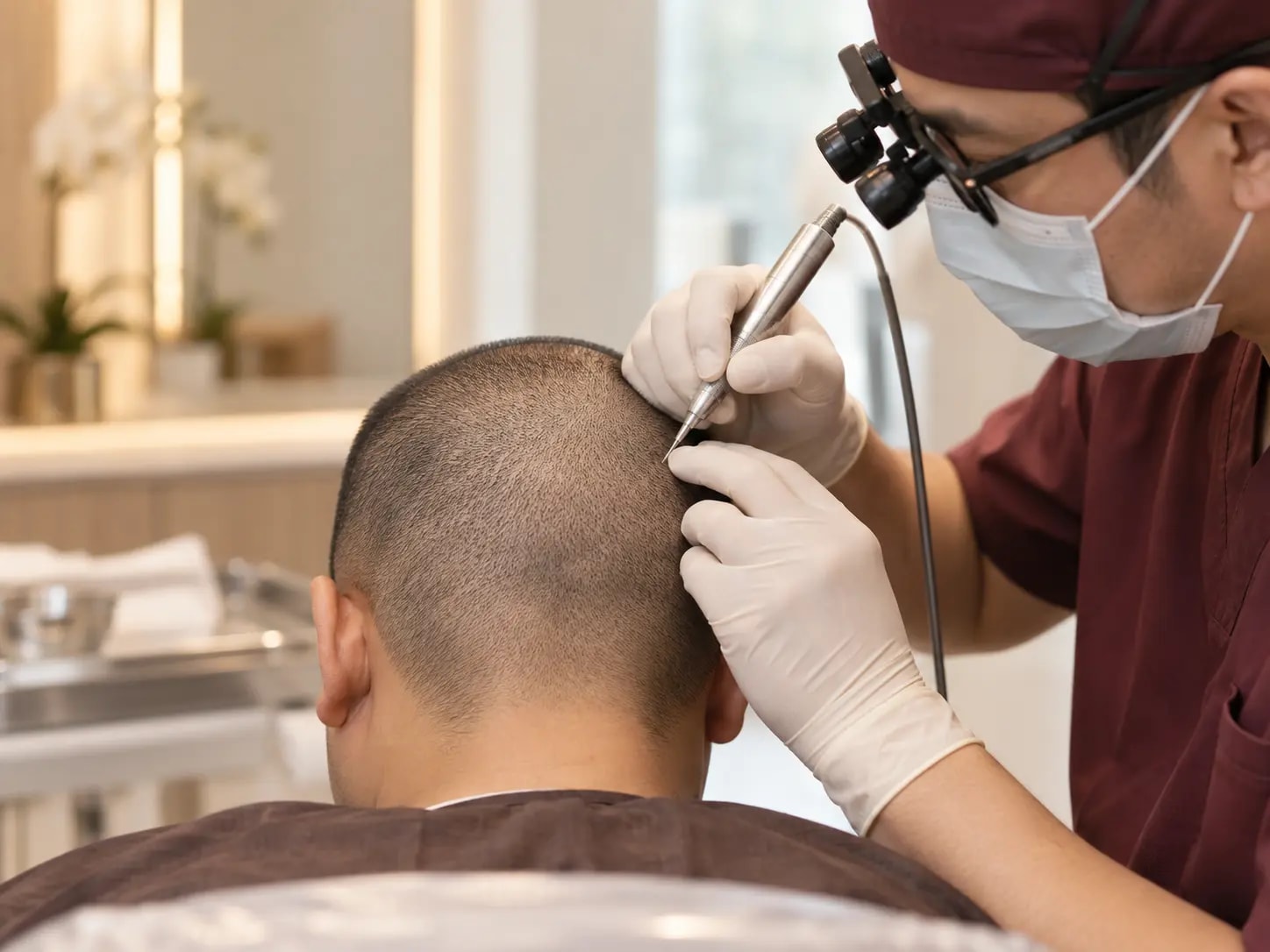
FUE Technique
Follicular unit extraction
In summary, FUE works by allowing the surgeon to make small incisions with a tiny punch to extract single follicular units – naturally-occurring groups of one to four hairs – from the donor area at the back of your head, which are then implanted into the desired region of your scalp at an angle in accordance with your natural hair growth pattern.
Clinical Note
At Nexus Clinic KL, this procedure is always carried out under the supervision of qualified doctors using certified surgical instruments registered with the Malaysian Ministry of Health.
The older alternative, known as strip excision (FUT), involves extracting a strip of skin from the donor area which leaves a linear scar at the back of your head requiring stitches. The FUE transplant procedure is preferred by most doctors today due to the following reasons:
The general outline of a typical FUE hair transplant remains relatively similar across clinics, with some variations in instrumentation in accordance with the surgeon’s experience and equipment availability.
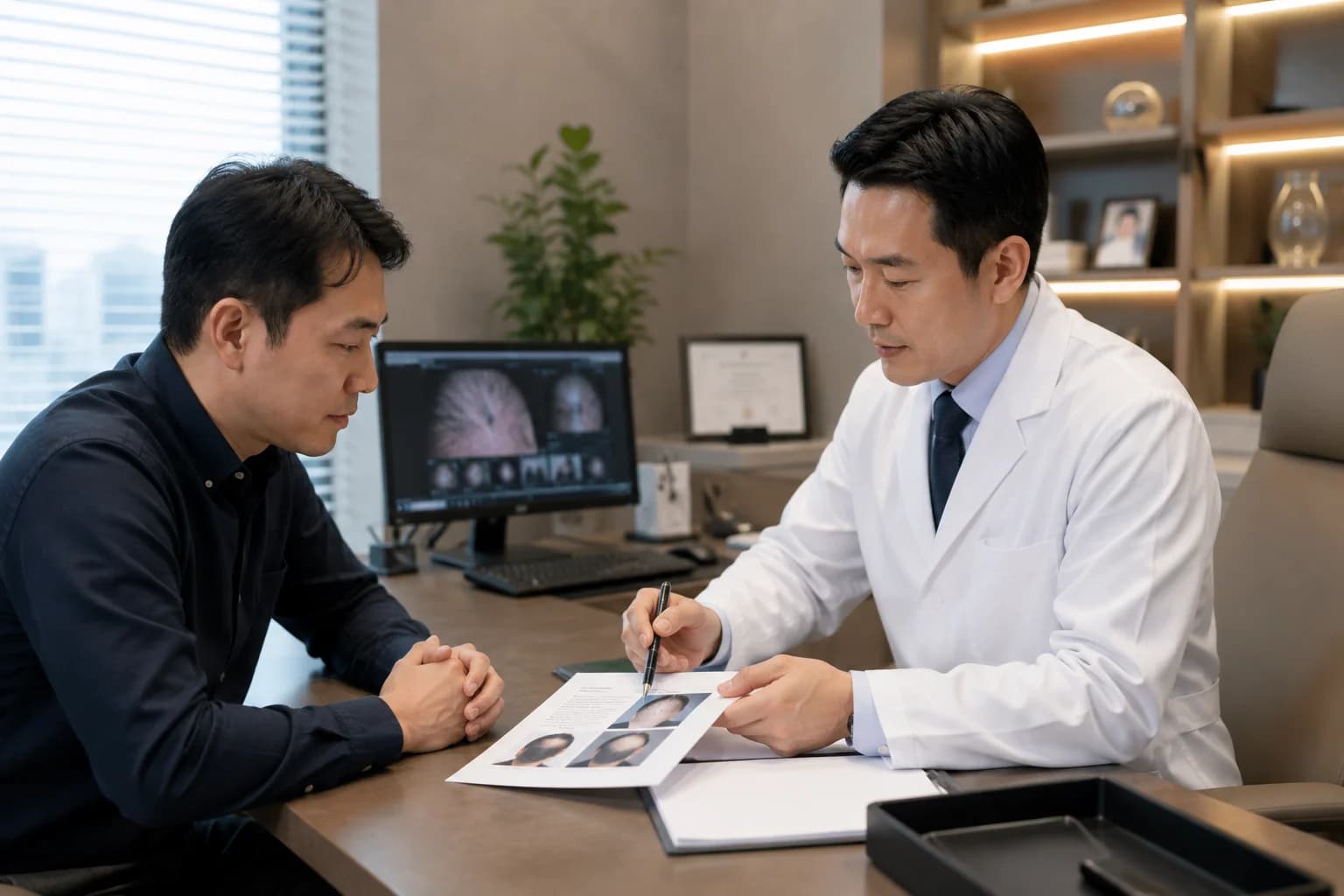
The surgeon will discuss your expectations and examine your donor area to decide on the number of grafts required to achieve the look you desire
The donor area (typically at the back of your head) is trimmed to facilitate follicular extraction
The follicular units are extracted using a fine punch
The extracted grafts are placed in a special storage solution until they are implanted into the recipient sites
Incisions are made at recipient sites to allow for implantation of the grafts at the correct angle
The entire procedure is done under local anaesthesia so you will be awake throughout the session but should not feel any pain. Naturally, a higher number of grafts will prolong the duration of the procedure.
It is crucial to note that FUE is not necessarily suitable for everyone, hence the importance of undergoing a personal consultation to determine your eligibility for the procedure and the additional treatments you may require alongside it. Generally speaking, FUE is suitable for patients who
On the contrary, FUE is often not recommended for patients with a very limited supply of donor hair, or those who are experiencing active, uncontrolled hair loss.
FUE is often presented as an alternative to other transplant procedures, however, it is beneficial to understand how it fits into the bigger picture of hair loss management as a whole.
If you are dealing with facial hair loss instead of beard transplant grafting, the same principle applies to the beard transplant procedure, which sees individual grafts implanted into the region of deficient beard growth. On the contrary, exosome hair treatment is a popular non-surgical alternative to FUE that provides an opportunity to rejuvenate thinning hair on your scalp without the need for surgery. Another minimally invasive procedure worth noting is mesotherapy – a series of micro-injections that provide the hair follicles with essential micronutrients that facilitate improved hair growth either as a standalone procedure for diffuse thinning or as a maintenance treatment following a transplant.
In terms of medical interventions, it is important to note that many doctors recommend topical minoxidil treatment as an adjunct following an FUE hair transplant to maintain the density of your existing hair, especially around the region of the transplanted grafts, which aids in achieving a more uniform appearance.
While the general procedure for FUE remains relatively similar across clinics, there are several nuances that contribute to the drastically differing results that can be observed following the procedure.
These subtleties of the procedure largely dictate the cost of an FUE procedure in Malaysia. Naturally, a slower and more meticulous surgeon working with a smaller team will be more expensive than a faster one working with a larger team, and the difference in quality will reflect in the results. It is important to remember that the number of grafts and the nuances of the procedure will combine to form the final price you will pay for your FUE hair transplant, rather than the price per graft advertised by clinics.
As there is no linear incision as seen with strip excision, the recovery following FUE is generally easier for the donor site, although the same post-operative care has to be taken for the recipient site regardless of the transplant technique used. Patients generally heal visibly faster following an FUE procedure, with the initial healing taking a matter of days to a couple of weeks, with shedding occurring around the third or fourth month and noticeable hair growth beginning at the fifth or sixth. If you are looking for a detailed, week-by-week breakdown of the recovery following an FUE transplant along with post-operative care instructions, this is a useful resource to read through before your procedure as opposed to after.
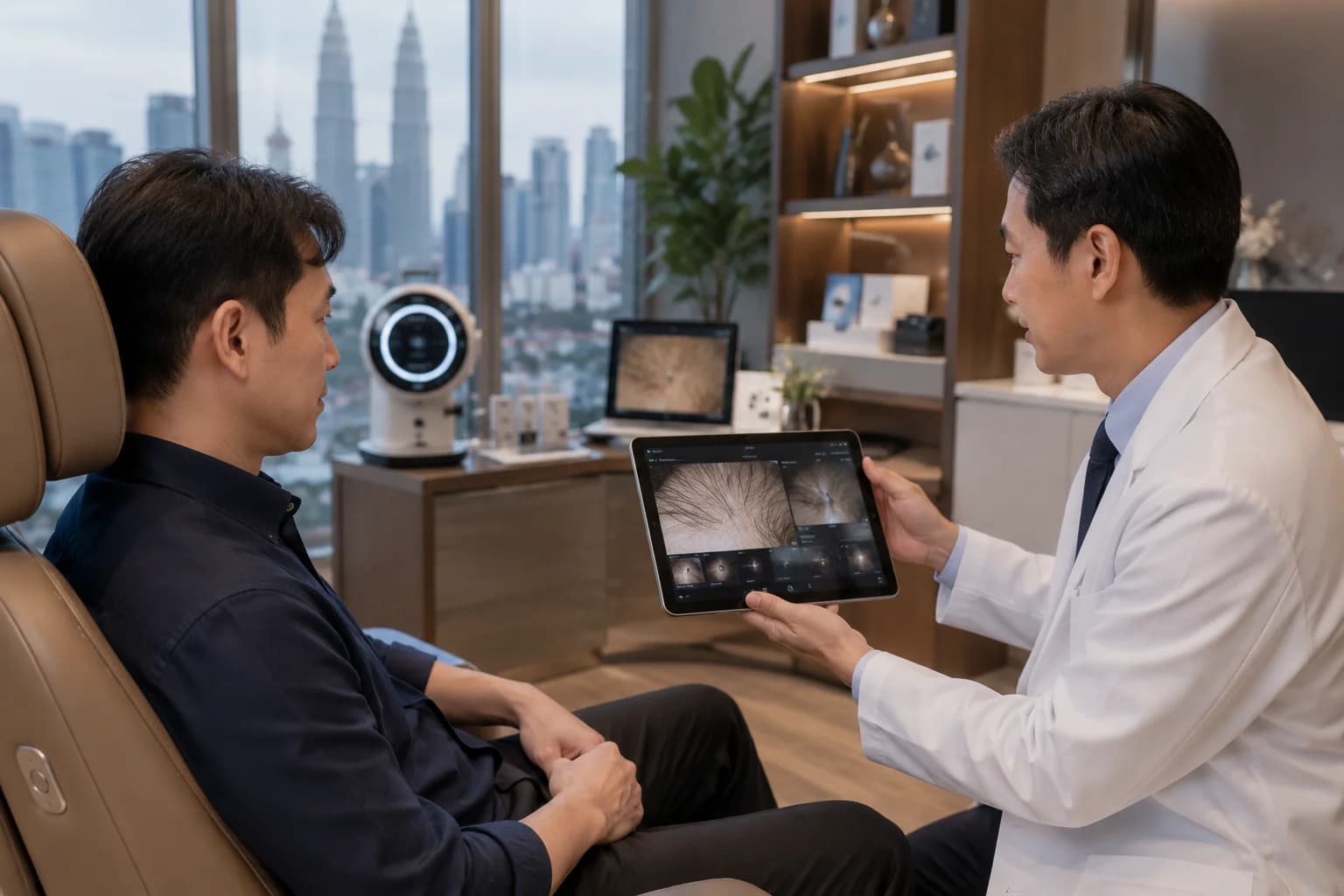
At Nexus Clinic's hair treatments hub, our doctor-led team takes an individualised approach to FUE hair transplants by evaluating your donor hair, hair loss pattern and personal expectations to advise you on whether it is the right option for you and what your graft requirements may entail. Rather than a one-size-fits-all approach, you will discuss the intricacies of your graft placement and hairline design with us directly during your consultation, alongside other non-surgical options if applicable, so you are well-informed about your options prior to making any decisions.
As opposed to the linear scar left by strip excision, FUE leaves the donor site with a number of very small dot-shaped scars which should generally be concealed by the surrounding hair when your transplant heals.
The duration of the procedure depends on your graft requirements, a matter of hours for larger graft counts spread across a full day in some cases.
The procedure is done under local anaesthesia so you will generally not feel any pain – most patients report a feeling of pressure rather than discomfort – however, you will be awake for the procedure the entire time.
Yes, in fact, many patients opt to have adjunct treatments such as exosome therapy or minoxidil alongside their FUE hair transplant to facilitate improved results.
It depends on the pattern of your hair loss. FUE can be an option to consider for early to moderate patterns of hair loss. In some cases of severe hair loss, a combination of treatments is required.
The FUE procedure sees individual follicular units extracted using a fine punch whereas the strip excision technique sees a strip of skin harvested from the donor area with a larger incision resulting in a linear scar at the back of your head, which requires stitches.
The best way to know whether FUE suits your hair loss pattern is a proper scalp assessment, not a generic article. Book a free consultation with Nexus Clinic KL, or message us on WhatsApp if you have questions before deciding.
✓ Reviewed by Dr. Ashvinia Bala at Nexus Clinic KL
Real Google reviews from patients who came to Nexus Clinic for hair transplants.
Guides and answers from our doctors on this treatment.
Hair Treatment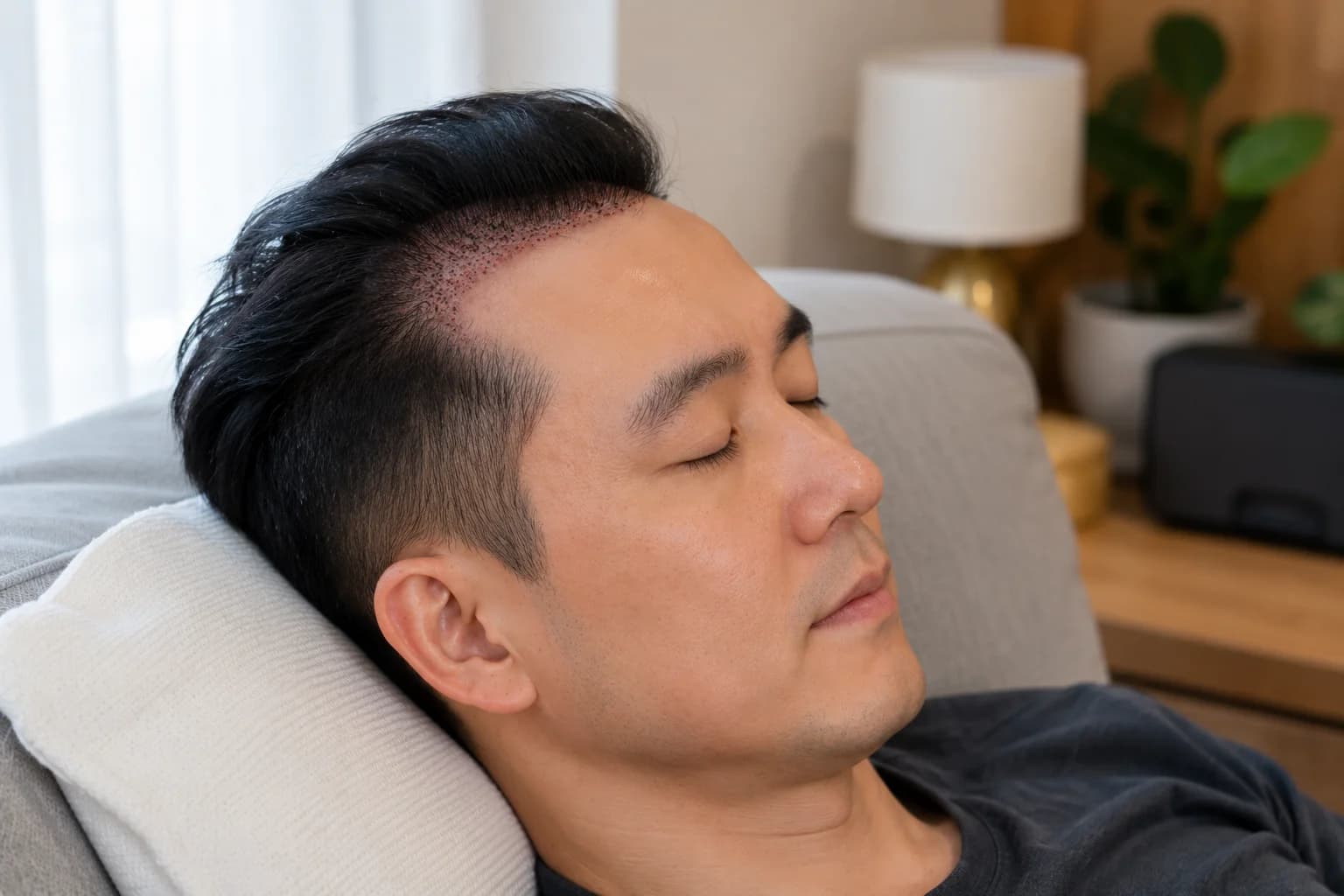 Hair Treatment
 Hair Treatment