 Hair Treatment
How to Choose the Right Hair Transplant Clinic in KL Without Regretting It Later
9 min read


Medically reviewed by Dr. Ashvinia Bala, MBBS (AIMST University), MMC Registration No. 82489 | Last reviewed:
While surgery is often the main focus, what comes next plays a significant role in determining the final result, as sleeping position, washing techniques, and patience with the itch all contribute to a good healing process, which in turn affects the outcome as much as the surgery itself. While many spend a considerable amount of time deciding on a technique, fewer put the same effort into the post-operative care, which is a mistake, as lack of proper aftercare is often a reason behind unsatisfactory results.

Week by Week
Guided aftercare
Important Clinical Note
Every patient at Nexus Clinic KL receives a written, personalised aftercare and washing schedule based on their own graft count and technique before leaving the clinic, along with a scheduled follow up so healing can be properly monitored.
The scalp is especially sensitive in the first 2 days after surgery, though the restrictions are more about avoiding putting pressure on the grafts rather than other activities, as it takes about a week for them to firmly hold on to the follicles. In the meantime, sleeping at an angle of approximately 45 degrees is preferred to reduce swelling, which can be achieved by having a couple of extra pillows to lean on or using a travel neck pillow. The recipient area should be left alone as much as possible, including avoiding scratching, checking, and touching it. In addition to any anti-inflammatory medication and antibiotics prescribed by the doctor, it is important to avoid putting any strain on the body. It is normal for the donor area to leak fluids, so applying gauze with gentle pressure should be sufficient.
The swelling is at its worst on day 3 or 4 and, if unprepared, can be alarming to the patient, as there is little information about it beforehand. However, it should subside on day 5 in most cases.
Patients often make one of the two mistakes when washing their scalp after a hair transplant surgery – either they try to rush the healing process and wash it too soon and too hard or, on the contrary, skip washing because they think that doing anything to the recipient area will damage the grafts. Neither of these extremes is beneficial, which is why it is important to follow a washing schedule provided by the clinic to ensure proper healing.
| Days After Surgery | Washing Details |
|---|---|
| 1st – 2nd day | Recipient area should be kept dry while the donor area can be gently cleaned |
| 3rd – 5th day | First washing with diluted shampoo on the donor and recipient area |
| 5th – 7th day | The scalp can be washed twice a day to help loosen the scabs, though they should not be rubbed |
| After the 7th day | The scabs start to shed naturally |
Days After Surgery
1st – 2nd day
Washing Details
Recipient area should be kept dry while the donor area can be gently cleaned
Days After Surgery
3rd – 5th day
Days After Surgery
5th – 7th day
Days After Surgery
After the 7th day
While the washing schedule is important, the technique is even more so. It is best to use warm, not hot, water, apply shampoo with hands or pour it over the head instead of rubbing it in, and avoid high pressure from the shower nozzle over the recipient area for the first few weeks, as it can dislodge the grafts.
Around the second or fourth week, the transplanted hairs will begin to shed, which can cause panic in some patients, who contact their clinics in fear that something has gone wrong. In reality, everything is normal, as the follicles are now entering a resting period before growing new hairs. The process is similar to the ones in the nape of the neck or the temples, where old hairs are shed to make way for new ones. It is common for patients to refer to this stage as the ugly duckling period, and it is not without reasons, as it is often the most trying moment both physically and emotionally for them.
| Activity | When It Can Resume |
|---|---|
| Desk jobs | After 7 days |
| Light exercise | After 10 days |
| Going to the gym, running, or other strenuous activities | After 2 to 3 weeks |
| Swimming pools and the sea | After 2 weeks |
| Sunbathing | Avoided for several months |
Activity
Desk jobs
When It Can Resume
After 7 days
Activity
Light exercise
Activity
Going to the gym, running, or other strenuous activities
Activity
Swimming pools and the sea
Activity
Sunbathing
Even though there is no direct link between alcohol consumption and smoking and the healing period, patients are still encouraged to limit these habits for the time being, as they can have a detrimental effect on the grafting process.
| Time Since Surgery | What Happens |
|---|---|
| 1 to 2 months | Little change occurs, as the follicles are recovering from the transplant surgery |
| 3 to 4 months | Fine new hairs will start to appear |
| 6 to 9 months | The result should become more apparent, with hairs growing visibly denser |
| 9 to 12 months | The final shape of the hairline is formed, and the density equals the consistency of the original hairs |
Time Since Surgery
1 to 2 months
What Happens
Little change occurs, as the follicles are recovering from the transplant surgery
Time Since Surgery
3 to 4 months
Time Since Surgery
6 to 9 months
Time Since Surgery
9 to 12 months
If you are still trying to decide whether the surgery is worth pursuing or not, or simply have concerns about whether a less invasive procedure will have a similar effect without the long recovery period, our comparison of PRP hair vs hair transplant treatment in Malaysia goes into more detail about their respective benefits and shortcomings than most other resources. Similarly, if you are interested in learning more about the future of hair restoration and what stem cell and PRP therapy leading hair restoration in 2026 clinics in Malaysia have to offer, many of them focus on regenerative treatments, which can complement hair transplants or be used on their own.
A faster healing process and more comfortable experience are usually seen in patients, who opted for FUE hair transplant, as the donor area is affected much less severely than with the strip method. If you are considering hair restoration but have not decided on surgery yet, our hair loss treatment page can serve as a useful guide, which will explain the decision-making process between surgical and non-surgical options based on the patterns of your baldness.
Our team is currently developing a separate page about pricing for hair transplants and will also include a gallery of before and after photos with a detailed timeline to accompany this article in the future, as the two topics are closely intertwined.
In most cases, the healing process after a hair transplant is completely normal, and the discomfort experienced by the patient fades away with time. However, there are a few symptoms, which should prompt a call to the clinic even if they occurred outside of regular follow-up visits:
While the initial healing process takes between 7 to 14 days, the full growth and maturity of the transplanted hairs take between 9 to 12 months.
Most clinics recommend starting washing the scalp on the third or the fifth day after the surgery, gradually increasing the duration of the washing process until day 10 or 15.
It is normal for transplanted hairs to shed during the second or the fourth week after the procedure, as they enter a resting phase before growing anew.
Most clinics recommend avoiding strenuous activities for 2-3 weeks after a hair transplant, with light exercises being possible around day 10.
Elevating the head while sleeping reduces swelling around the eyes, forehead, and the scalp in general.
Increased swelling, especially after the fifth day after the transplant, fever, pus, discomfort, and a worsening condition in general should prompt a call to the clinic.
They certainly do, as improper washing, prolonged exposure to direct sunlight, failure to maintain an elevated position while sleeping, and other mistakes can harm the grafts and the final density of the hairline.
If you're leaning toward surgery and want a recovery plan built around your own scalp rather than a generic checklist, that conversation is easiest to have face to face. You can book a consultation with the team at Nexus Clinic, or if you'd rather ask a quick question first before committing to anything, drop us a message on WhatsApp and someone will walk you through what recovery would actually look like for your case.
✓ Reviewed by Dr. Ashvinia Bala at Nexus Clinic KL
Real Google reviews from patients who came to Nexus Clinic for hair transplants.
Guides and answers from our doctors on this treatment.
Hair Treatment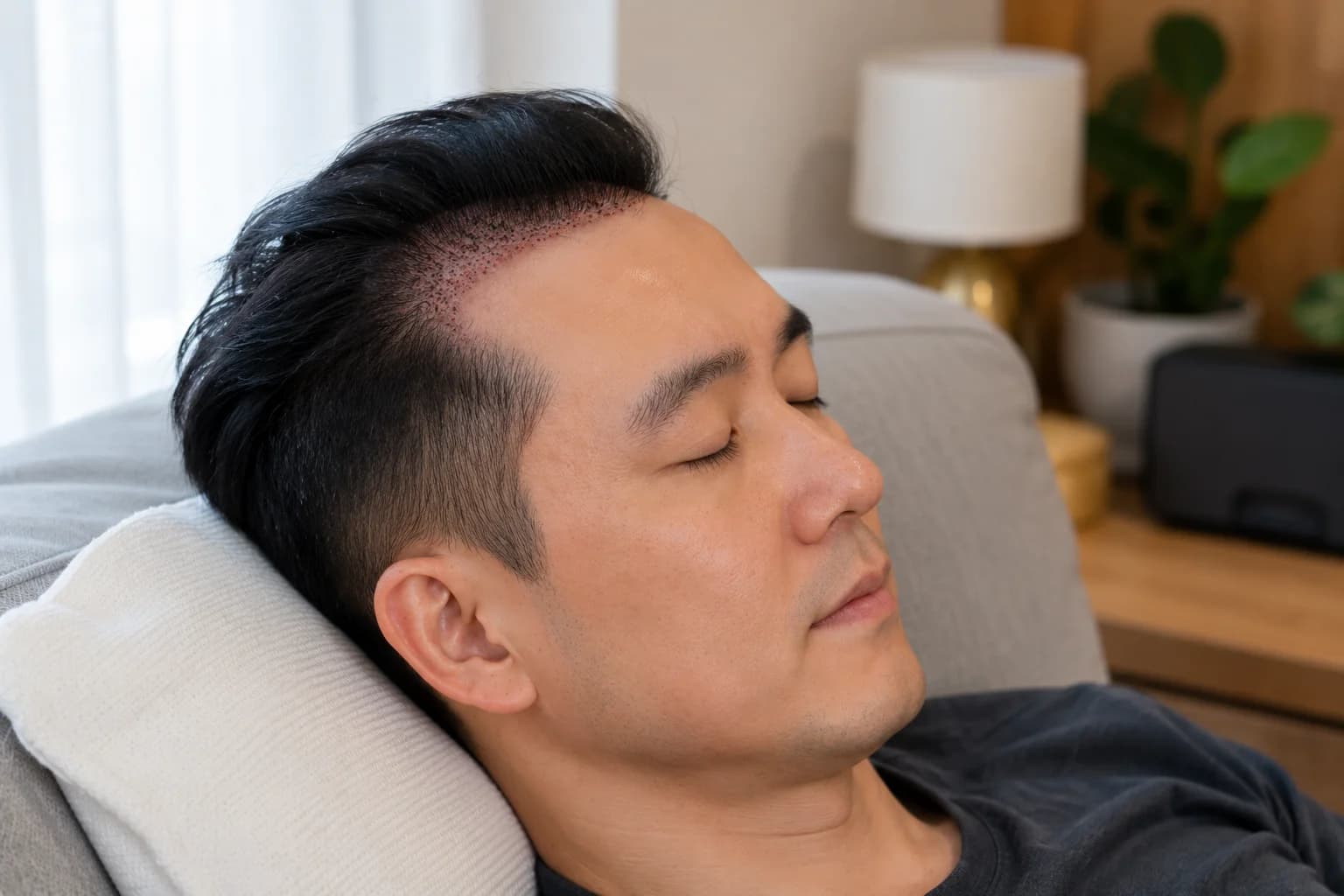 Hair Treatment
 Hair Treatment