 Hair Treatment
How to Choose the Right Hair Transplant Clinic in KL Without Regretting It Later
9 min read


Medically reviewed by Dr. Ashvinia Bala, MBBS (AIMST University), MMC Registration No. 82489 | Last reviewed:
Day one following FUE treatment is rarely the same as day fourteen; day fourteen isn't the same as week four, and week four bears no resemblance to month six. Most patients arrive at the clinic having expected a certain trajectory of results, when in fact recovery progresses through four distinctly different phases, each with their own appearance and emotional impact. Being aware of what phase you are in can guide expectations for what you see in the mirror.
Four Recovery Phases
Day 1 to month 12
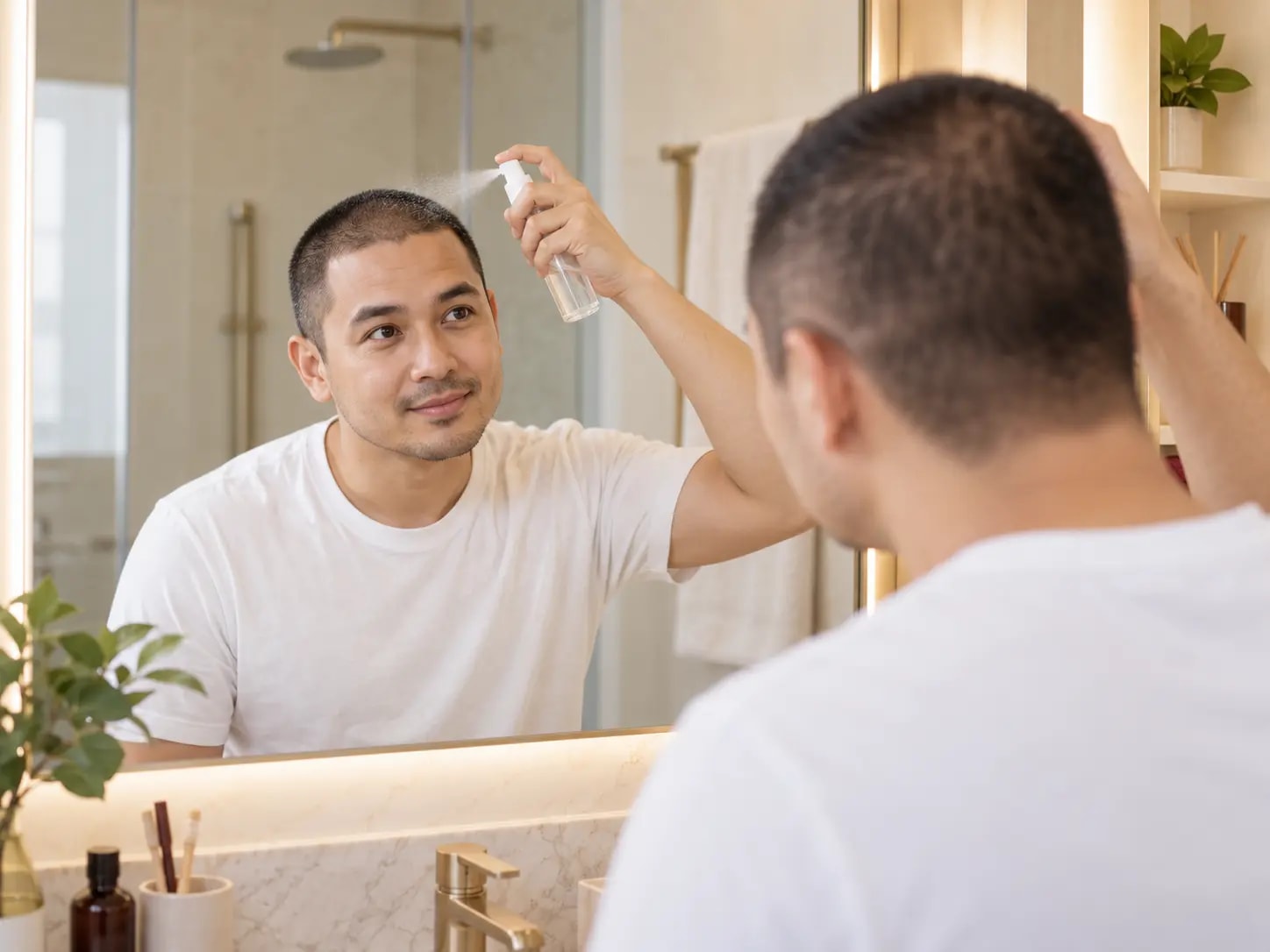
The scalp contains thousands of wounds to both recipient and extracted sites, so it is all about protecting the latter and letting your body heal in the early days post-treatment.
| Day | What's Happening |
|---|---|
| Day 1 | Mild bleeding or oozing at recipient sites, tightness and numbness as anaesthesia wears off |
| Day 2 to 3 | Swelling begins, potentially working its way up towards the forehead, small scabs begin to form |
| Day 7 | Most visible scabs begin to lift, fading redness |
| Day 10 to 14 | Recipient sites appear to have healed, although small extraction points may still be noticed on a close inspection |
Day
Day 1
What's Happening
Mild bleeding or oozing at recipient sites, tightness and numbness as anaesthesia wears off
Day
Day 2 to 3
Day
Day 7
Day
Day 10 to 14
A common analogy to relate this back to is that the soreness feels more like a mild sunburn rather than anything else. Fatigue is also common in the first couple of days, but this isn't a concern either. When it comes to the day to day discomfort of this phase, the alternative treatment with no wounds is PRP hair treatment. There is no wound healing involved at all in a PRP hair session, which is something to consider if you are still deliberating your options.
Important Clinical Note
Patients at Nexus Clinic KL are provided with a written phase-specific aftercare schedule including expectations for each stage of FUE recovery, and a follow up review to catch anything unusual.
This phase surprises most people when they come across it for the first time; somewhere between weeks two and 10, the hairs begin to shed, often quite noticeably. It is easy to think that something went wrong at this point, but in fact the shedding represents a change in the growth cycle before the hairs grow again. Essentially, the hair loss acts as a reset button, preparing the follicles for the next round of growth.
A clinic that supports you through the process of this phase as opposed to simply leaving you to research your symptoms is doing you a favour. Similarly, this is a period when minoxidil is sometimes introduced or carried on with, to supplement the natural hair adjacent to transplanted follicles during the transition.
It is hard to believe anything is progressing during this period, as little to nothing changes visibly. The follicles shed following the last phase and subsequently settle down for the long haul, while the scalp shows no sign of distress.
There really isn't much to do other than stick to your clinic's maintenance or finasteride routine, if any, during this window of patience. There isn't much else to do while waiting it out, aside from enjoying your well-maintained scalp.
There comes a time after FUE recovery where the signs of progress start to build up, albeit slowly.
Some clinics pair this stage up with exosome hair treatment to support the regenerative process during new hair growth, particularly for increased density in the months following FUE treatment.
General practical indicators for returning to normal activities bear a similar pattern.
Following the clinic's washing protocol is much more important than most other aspects during the first two weeks of FUE hair transplant, since rushed and harsh washing are among the most common causes of avoidable complication in this window. To understand the range of potential issues caused by mishandling this period, our page on FUE hair transplant side effects goes into further detail.
Not all FUE patients start on a blank slate, as some have been following a hair loss treatment plan before considering surgery. It is important to consult with your surgeon on how things should adjust in the days around your surgery, rather than assuming everything proceeds as normal. Patients with underlying conditions related to hair loss, covered in our piece on Mounjaro and hair loss, may wish to note any associated medication use in the consultation, as it may influence the healing.
At Nexus Clinic's hair treatments hub, every FUE patient is left with a clear recovery plan in writing that follows these four phases, rather than a generic set of instructions applying to all. A scheduled follow up review means that any shedding, swelling or other unusual occurrence can be assessed by the person familiar with your case. Patients are also welcome to message the clinic directly if anything during FUE recovery seems to be a concern, rather than waiting for a scheduled appointment.
Surface healing is generally done within 7 to 14 days, but the full four-phase process to final results is likely to take 9 to 12 months.
No, shedding of transplanted hairs between weeks 2 and 10 is a normal occurrence and does not represent failure.
Light exercise is usually allowed after 10 to 14 days. Strenuous exercise that causes heavy sweating usually is NOT allowed for 2 to 3 weeks.
This is the dormancy phase, with follicles preparing for regrowth beneath the surface despite minimal visible change.
Most patients are able to reach a satisfactory assessment of final results between months 9 and 12, although some continue to see improvements slightly beyond this time.
Yes, significantly. Rushed washing, sun exposure and other neglect of proper aftercare in the first two weeks can affect graft survival and final density.
Knowing what each recovery phase looks like in advance makes the whole process far less stressful than discovering it as you go. Book a free consultation with Nexus Clinic KL, or message us on WhatsApp if you have questions before booking.
✓ Reviewed by Dr. Ashvinia Bala at Nexus Clinic KL
Real Google reviews from patients who came to Nexus Clinic for FUE hair transplants.
Guides and answers from our doctors on this treatment.
Hair Treatment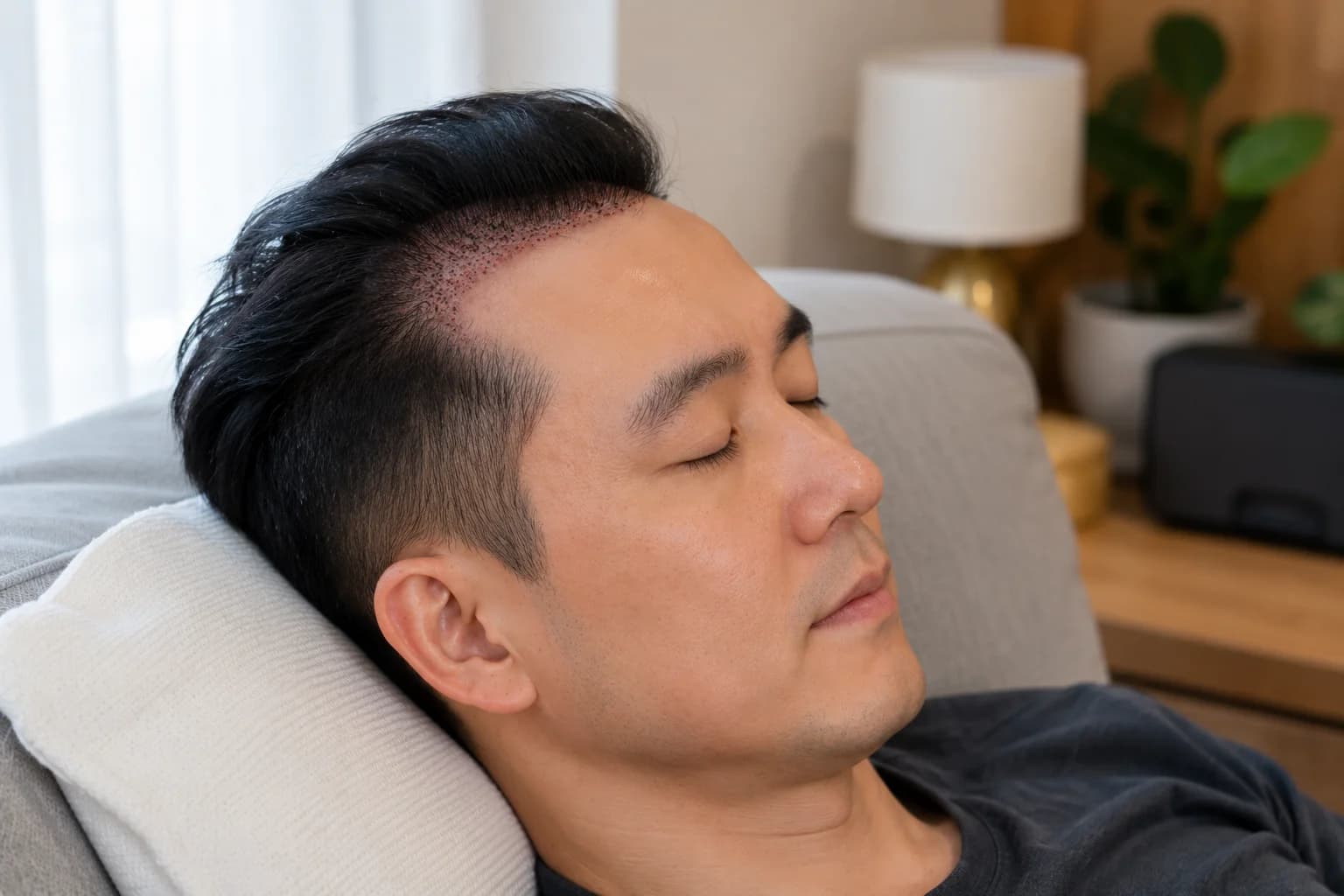 Hair Treatment
 Hair Treatment